
When we think about meatballs, we most often think of Italian meatballs, served in tangy tomato sauce and served with spaghetti. But there’s another popular meatball that’s every bit as tasty but with a milder flavor, and it’s surprisingly easy to make. Let’s talk about how to make Swedish meatballs that are even better than the ones made famous by IKEA.
So, what makes Swedish meatballs different? For starters, they tend to be made smaller than Italian meatballs and are typically made using equal portions of ground pork and ground beef. Rather than the parmesan cheese and garlic flavoring used for Italian meatballs, Swedish meatballs include fragrant allspice and nutmeg, and the meatballs are often paired with a creamy white sauce rather than a tomato-based sauce.
If you love the warm, indulgent taste of this classic and homey comfort food, get ready to make your own Swedish meatballs everyone will love.
Everything you want to know about Swedish meatballs
Why are they called Swedish meatballs?
Although it’s one of Sweden’s most well-known culinary delights, the origin of Swedish meatballs can actually be traced back to Turkey with a recipe that King Charles XII of Sweden brought back home with him from Turkey in the early 18th century. Today, it is a staple for everyday meals and holiday traditions, not just in Sweden, but around the world.
What do you eat with Swedish meatballs?
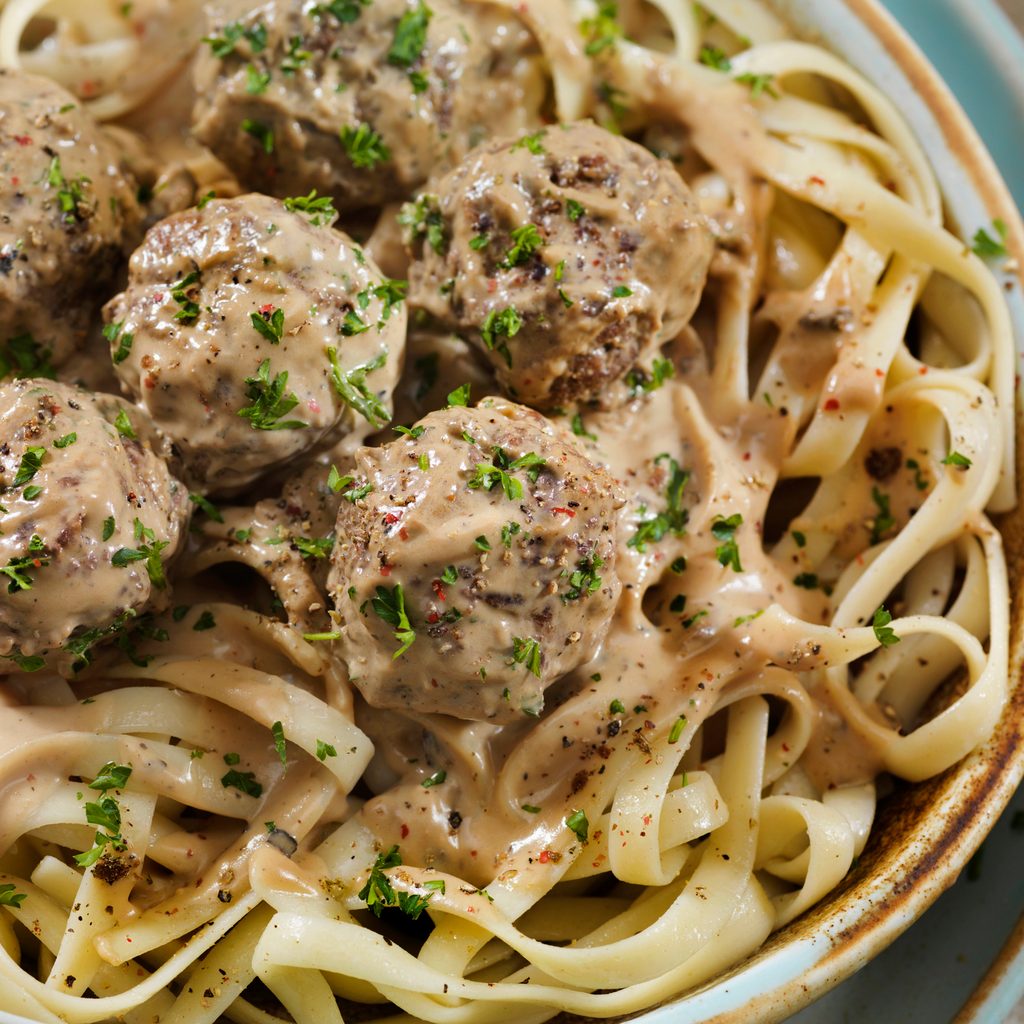
The most common side dish for Swedish meatballs is egg noodles, which act as a base for pouring the meatballs and sauce on top. If you’d like even more comfort-food goodness, you can’t really beat buttery mashed potatoes to soak up all of that delicious, creamy gravy. Looking to add some color — and nutrition — to your meal? Peas, green beans, or carrots make a perfect side dish choice.
What is Swedish meatball sauce made of?
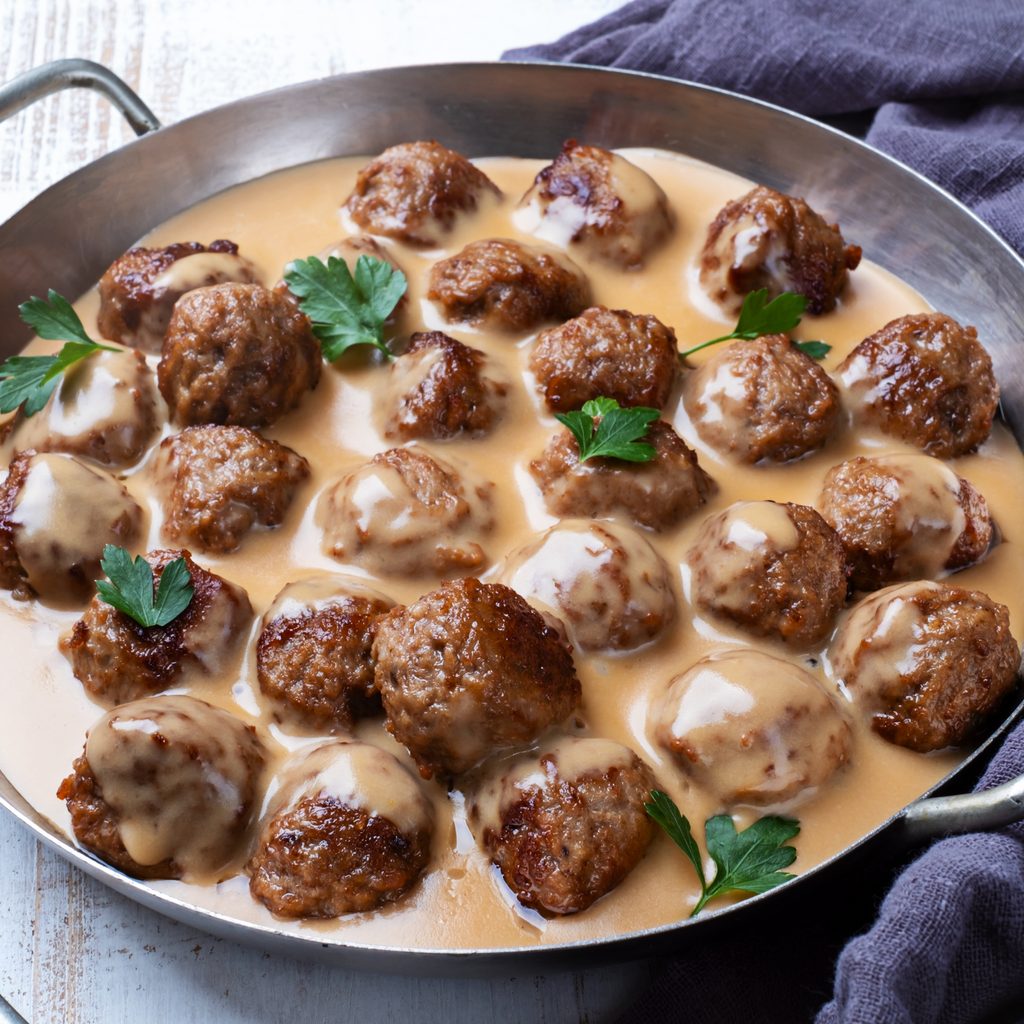
The delicate flavor of Swedish meatballs requires a sauce that enhances rather than overwhelms, which is why the typical Swedish meatball sauce is light and creamy. Commonly made in the same pan that the meatballs are cooked in, the sauce includes butter, cream, flour, and beef broth.
How to make Swedish meatballs that are better than IKEA’s
The Swedish retail store IKEA is known for more than just its build-it-yourself furniture. It also has an on-site cafeteria that serves, among other menu items, some of the most delicious Swedish meatballs you’ve ever tasted. Not up for a shopping excursion? This tasty recipe will save you a trip to IKEA.
With one skillet and one bowl, and ready to put on the table in less than 30 minutes, this Swedish meatball recipe is so good, you may never buy your meatballs from IKEA again. Although the traditional Swedish meatball recipe uses a combination of beef and pork, this one uses 100% ground beef. If you’d rather opt for the traditional meat combination, use equal portions of each.
Unlike IKEA’s swimming-in-sauce meatballs, this recipe produces meatballs that are soft on the inside but have a light and crispy outer layer. They have a unique, fragrant, mildly spiced taste that gets its flavor from allspice, a fragrant clove-like spice made from the dried berries of the Jamaican bayberry tree.
Ingredients for the meatballs
- 1 pound of ground meat — usually made with an equal mixture of ground beef and ground pork, you can opt to use only ground beef to accommodate taste or dietary preferences
- 1/3 cup of sweet onion, grated or diced
- 1/4 teaspoon of ground white pepper
- 1 1/2 teaspoons of allspice — just a small amount in the recipe adds a wonderful, nutty, cinnamon flavor to the meat
- 1/2 cup of panko bread crumbs — helps to bind the meat together
- 1 egg — works with the bread crumbs to help bind the meat together
- 1 cup of milk — helps to make the meatballs moist
- 1/2 teaspoon of kosher salt
- 2 tablespoons of unsalted butter
Ingredients for the gravy
- 4 tablespoons of unsalted butter
- 4 tablespoons of flour
- 2 1/2 cups of water or beef stock
- 1/3 cup of heavy cream (or sour cream if you prefer)
- 1 tablespoon Better Than Bouillon
- 1/4 teaspoon of kosher salt
- 1/4 teaspoon of ground black pepper
Instructions
- Mix all the ingredients for the meatballs — except for the meat — in a large bowl. Once they’re combined, add the meat and knead.
- Use foil to line a baking sheet or large plate. Spray it with nonstick cooking spray.
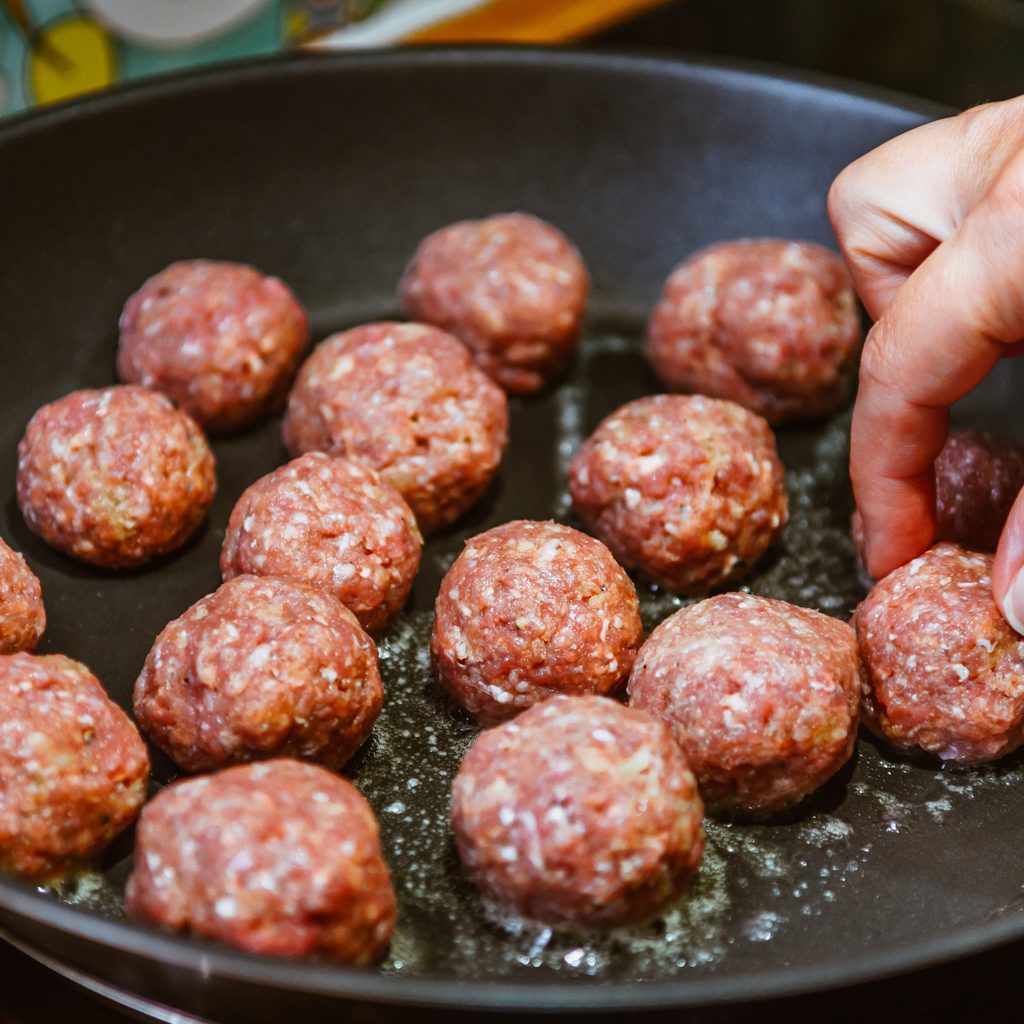
- Form the meat into balls. The recipe recommends about 1 inch, but you can make them as big or as small as you want (as long as they’re all about the same size.) Place the meatballs in rows on the baking sheet.
- Turn your stove to medium-high heat, coating your pan with the butter. Cook meatballs a few at a time (you don’t want to overcrowd the pan) until they’re lightly brown.
- Place the cooked meatballs on a paper toweled plate.
- To make the sauce, use the same pan you used to cook your meatballs. Drain the pan (but don’t wash it, as the residual meat juices will enhance the flavor of the gravy).
- Add unsalted butter, flour, and beef stock to the fry pan, and whisk together until the flour dissolves and the sauce begins to thicken.
- Add cream, salt, and pepper.
Serve by pouring the gravy over the meatballs and a plate of freshly made egg noodles for a wonderfully filling and delicious comfort food the whole family will love.
Tips and tricks for making Swedish meatballs
Swedish meatballs are a beloved classic dish, so you want to ensure they’re made to perfection. Maybe you even want to add your own culinary flare. Either way, these tips and variations will elevate your meatball game and your Swedish meatballs will be a hit at any table:
- Perfect the meat mix: Use a blend of ground pork and beef (or even veal) for a richer flavor and texture.
- Breadcrumbs for texture: Add breadcrumbs soaked in milk to keep your meatballs moist and tender.
- Seasoning is key: Don’t skimp on seasoning. Nutmeg, allspice, and a pinch of salt are essential for that authentic Swedish taste.
- Size matters: Keep meatballs small for even cooking and a delightful bite-sized treat.
- Fry or bake: Fry for a crispy exterior or bake for a healthier option.
Variations:
- Lingonberry sauce: Serve with lingonberry sauce for a sweet-tart contrast.
- Creamy gravy: Top with a creamy brown gravy for a heartier meal.
- Vegan twist: Swap meat for plant-based alternatives for a vegan-friendly recipe.
- Gluten-free: Use gluten-free breadcrumbs for a celiac-friendly option.
If you’ve always loved Swedish meatballs but you’ve never made them yourself, our recipe proves that you can whip up spectacular Swedish meatballs (in under 30 minutes) that put IKEA’s to shame.