With the holidays behind us, it’s time to refocus on delicious family-friendly meals that you can easily make any night of the week while helping to stick to your New Year’s resolution to eat healthier. No need for fancy table settings or an assortment of side dishes; these recipes are simple one-dish meals your family will devour any night of the week.
Perfect for the cold winter months, casseroles make planning — and serving — dinner simple. These ideas are good for you, quick, and delicious.
Easy casserole recipes
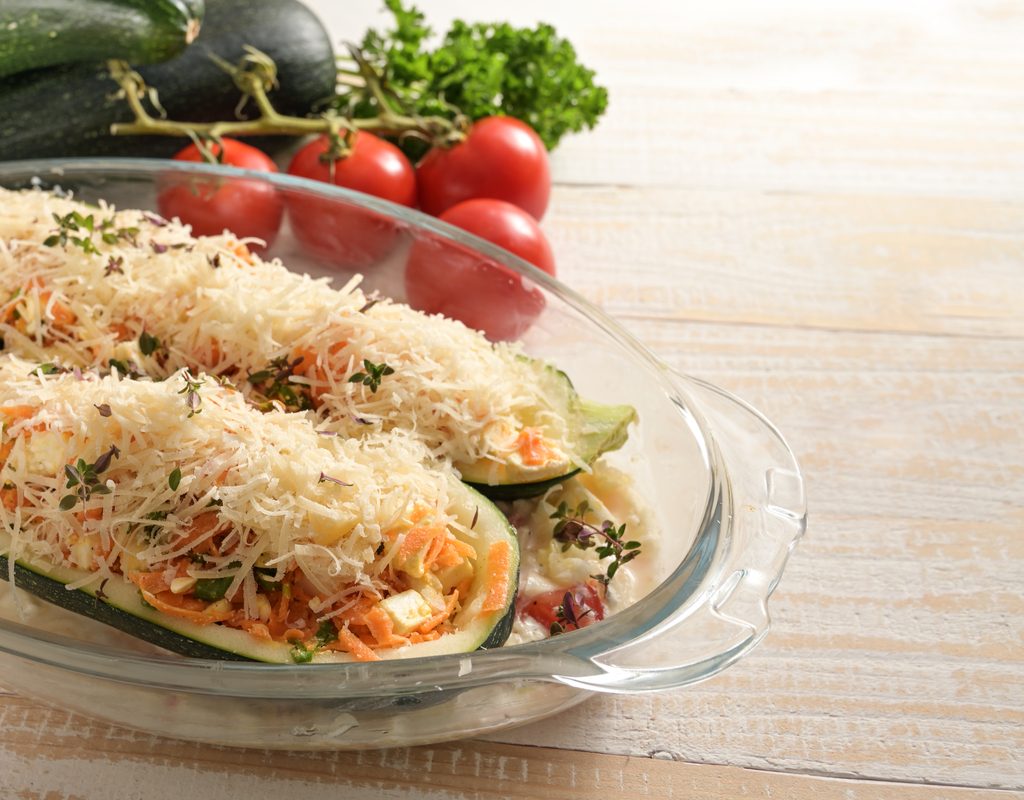
Beef and potato zucchini boats
Any food that’s baked in a large, deep dish is technically a casserole. When it comes to a dish like these zucchini boats, it’s especially convenient because it eliminates any worry about the stuffed foods overflowing, while extra filling can be baked directly in the pan, as well. The zucchini boats are stuffed with a rich ’n’ hearty beef-and-potato marinara, and are a perfect standalone meal or side dish. Plus, they are low carb, gluten-free, and just 221 calories per serving.
Stuffed-pepper casserole
This cheesy stuffed-pepper casserole makes a generous amount, leaving plenty of leftovers for easy-to-pack lunches or quick reheated dinners. To make it lean and healthy, use ground turkey (although you can also use ground chicken or lean ground beef). Add a plethora of veggies to up the nutrient count, then layer on spices, and use brown rice to round out the meal. Tastes good and good for you, too.
Creamy chicken potpie
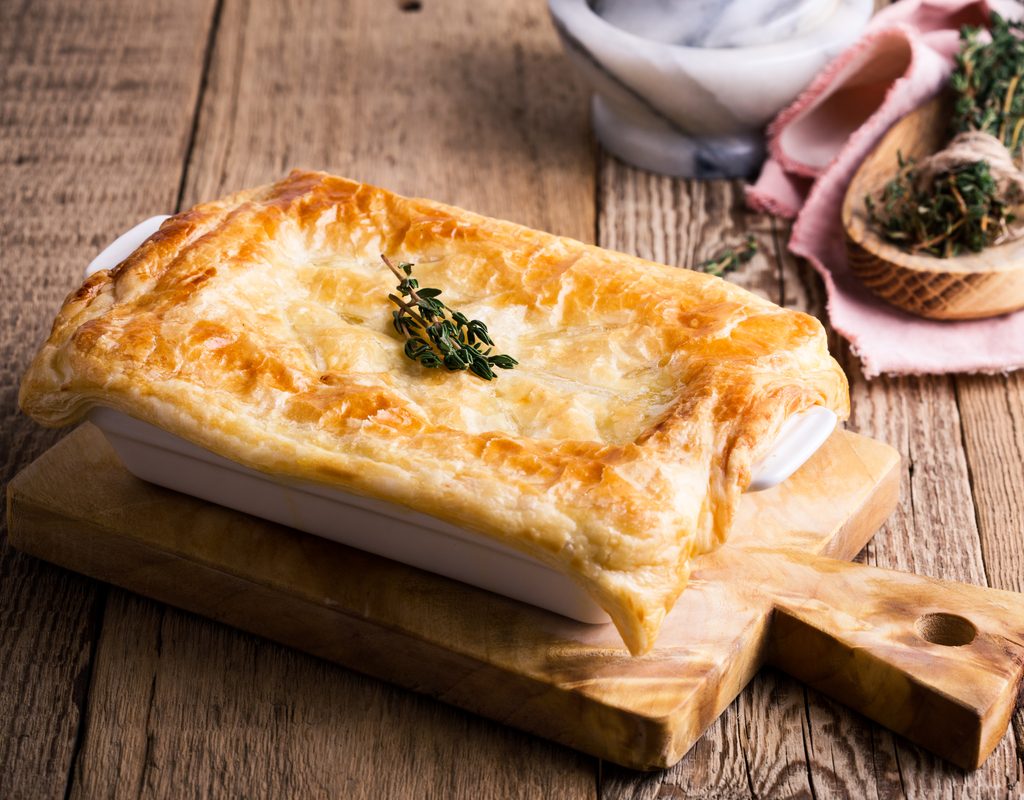
The phyllo crust on this chicken potpie is delightfully crisp and deceptively easy to achieve. You can even make a few extra personal-size pies to freeze and keep on hand for a quick, satisfying meal for any weeknight. Low-fat Greek yogurt stands in for fat-laden cream of chicken soup to give this casserole recipe a lighter touch. At just 396 calories per serving, you’re free to indulge in a timeless comfort food without the guilt.
Spinach-and-artichoke casserole with chicken and cauliflower rice
This high-protein chicken casserole helps you end your day feeling full and satisfied, but with its just 400 calories per serving, you can rest assured that you’re still on target for healthy eating. The combination of protein and vegetables are key to losing weight or maintaining a healthy weight. Cauliflower rice, spinach, and artichokes, paired with chicken, keep this dinner rich with fiber while still being light and filling, so you won’t be tempted to snack after dinner.
Tasty vegetarian casserole recipes
There are so many healthy vegetarian casserole recipes you can find online. These are two of our absolute favorites!
Sweet potato mac and cheese
A healthier version of mac and cheese? This one features a cheese sauce made with a base of fiber-rich sweet potato. Its bright orange color mimics the orange in typical mac and cheese meals, but there’s only about half as much cheese as you’ll find in typical recipes.
Pro tip: You can make your own crispy topping by trimming the crusts from whole-wheat bread, then tearing the bread into pieces and running them through a food processor until coarse crumbs form. Spread the crumbles on a baking sheet and bake for 10 to 15 minutes at 250°F until dry.
Slow-cooker green bean casserole with crispy onions
Something this tasty and just 133 calories per serving? Count us in! If you’re searching for a diet-friendly casserole recipe, your search has ended! With fresh green beans, a tasty homemade cream sauce, and crispy onion topping, this green bean casserole is healthier and even more tasty than traditional recipes using canned soup, beans, and onions. To save you time cooking on the stove, use your slow-cooker, but be sure to use fresh green beans, as frozen ones will become mushy during the cooking process.
Casseroles have long been a comfort-food tradition, but these revamped recipes give this classic dinnertime favorite a fresh ‘n’ healthy makeover. Easy to make, perfect for every day of the week, and a great way to cook ahead on weekends to simply reheat on workdays, healthy casseroles are perfect for today’s busy families.


