Cooking is something that we all have to do sooner or later. It can be easy to get into a rut and cook the same dishes over and over again. Using the same spices and ingredients time after time can make cooking mundane and tedious rather than the joyful adventure it has the potential to be. Many people are intimidated by exotic spices because they don’t know what they taste like or how to use them. Adding exotic spices to your pantry can help you get out of a food rut and add some excitement to your dishes. If you’ve never tried to cook with exotic spices before, it’s time to take your best spice grinders out. We have a list of six exotic spices you should always have on hand and tips on how to use them.
Tarragon
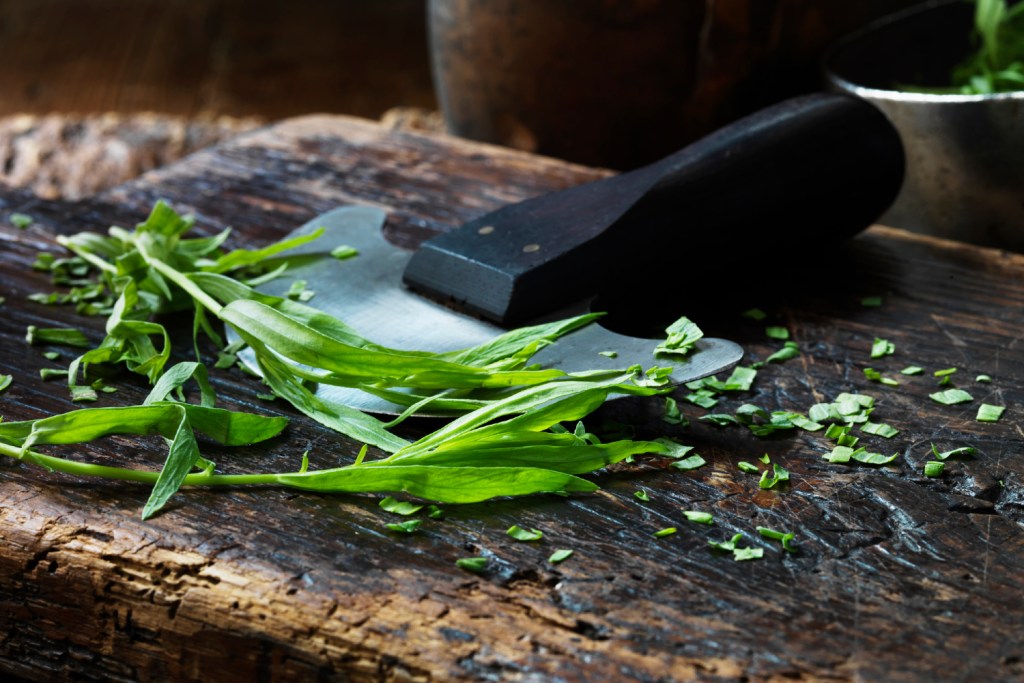
Tarragon is technically not a spice; it is a herb, but you can use it fresh or dried. It is a leafy green herb widely used in French cuisine, but not so much in American kitchens. Tarragon has a distinctive flavor, but it is rather subtle and will not overpower your dishes if used correctly. It is commonly used with fish and chicken and added to vinaigrettes and sauces. The flavor is similar to anise (a black licorice flavor), and people tend to either love it or hate it.
Tarragon is a key ingredient in the famous French sauce Bearnaise, so if you’ve had that sauce on say, eggs benedict, and you like it, you should give tarragon a try next time you grill fish or chicken. Tarragon is a spring and summer herb, so you typically won’t be able to find it fresh year-round, but you can buy it dried in most supermarkets.
Lemongrass

Lemongrass has a citrus-like aroma and flavor and is commonly used in many Thai dishes. It is also used in herbal teas and has more recently become a popular ingredient in craft cocktails. You can purchase lemongrass fresh, dried, or in powdered forms. The plant itself grows in tropical climates, and when used fresh, which is generally preferred, it provides a complex mix of bright lemon-like flavors with a hint of ginger flavor. The dried variety has a woodsier flavor.
To cook with fresh lemongrass, you must cut off the lower bulb and remove the tough outer leaves. The main stalk (the yellow part) is what is used for cooking. You can use fresh lemongrass in stir-fries and dried lemongrass in soups since it will have time to rehydrate in the broth. If you intend for the lemongrass to be eaten in your dish, slice it very thinly. If you are using the lemongrass to flavor a broth or simmer in a dish, simply “bruise” the stalk by bending it several times, so it releases its essential oils.
Saffron
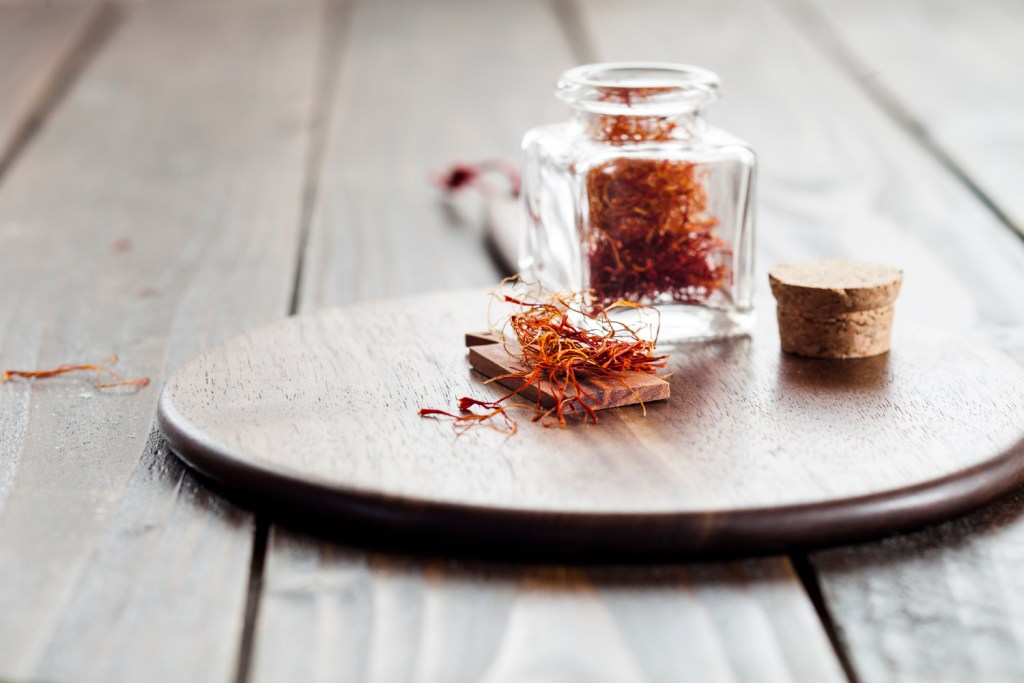
Saffron is the world’s most expensive spice, which is a fun fact to toss out at parties. Don’t let this info intimidate you though, you can buy a small amount of saffron because a little goes a long way. The reason saffron is so expensive is the stigma of the fall-flowering plant called Crocus sativus, which is a member of the iris family. The stigma of a flower is the tiny thread-like part of the inside of the flower that is there to receive pollen. Each saffron stigma must be harvested by hand, which is a precise and slow process. Hence the high price.
Saffron provides a beautiful golden color to any dish it is added to and has a pungent and aromatic flavor that is earthy and will make people wonder what exactly it is. You can purchase saffron whole, as reddish-gold threads, or in ground form, and you should be able to find it year-round. Saffron has been used for centuries in Persian, Arab, European, and Indian cuisines. To cook with fresh saffron, you must first crush the threads to release the flavor and color into your dish. Add a small pinch of saffron in the water when you are cooking rice to add flavor and color. Saffron can also be used in sauces and pairs well with cream for cream-based sauces.
Turmeric
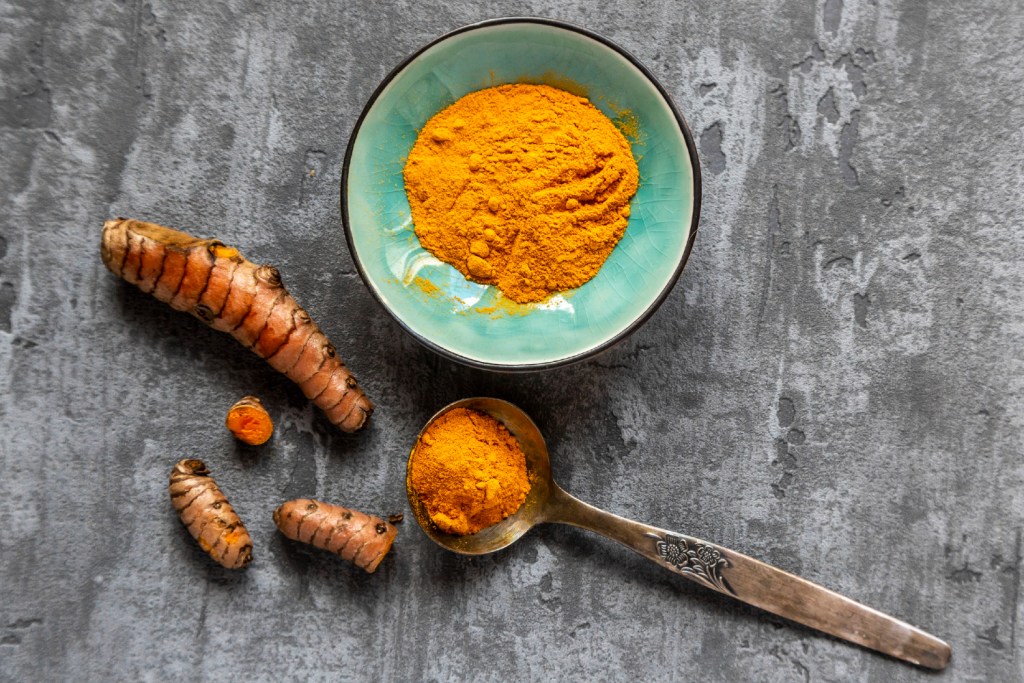
Turmeric is also commonly referred to as “Indian saffron” since the spice is native to India and gives off the same color as saffron. Turmeric is a spice that comes from the turmeric plant’s root and is part of the ginger family. It is native to Southeast Asia, and the Indian subcontinent and the roots are the part that is used in cooking. You can also find dried and ground turmeric, which can range in color from deep yellow/orange to a bright yellow depending on the variety. Turmeric is a typical ingredient in curries and a component of curry powder.
Turmeric has an earthy aroma and slightly bitter flavor that has a hint of mustard or horseradish. It is typically used to bring out the overall flavors of the dishes to which it is added, which is why it is commonly used in spice blends and with other spices. Turmeric is thought to have several health benefits and should be added to dishes with black pepper, and some sort of fat to reap those benefits. If you want to try cooking with turmeric, try using it in a chutney or on poultry such as chicken, duck, or turkey. It also goes well on vegetables, rice, and in salad dressings.
Anise

Star anise is the seed pod from the fruit of the Illicium verum plant, which is an evergreen shrub that is native to Southwest China. The star anise pod contains a single seed that is pea-sized. Both the pod and the seed are used in cooking, and you can get them both whole or ground. The flavor of anise is distinct and potent. It tastes like black licorice and is commonly used in Chinese cooking. It is one of the primary flavors found in Chinese five-spice powder and is often used to make tea and season meats. Vietnamese cuisine uses star anise as well, and it is most commonly found in a well-known soup called pho.
The spice is also used to flavor liqueurs such as absinthe, sambuca, and pastis and baked goods like cakes and cookies. The flavors of anise pair well with citrus, onions, poultry, beef, cinnamon, ginger, and nutmeg. Whether you use anise seeds or whole pods will depend on the dish – whole pods can be added to sauces, soups, and marinades and then removed before serving. The ground version of either the pods or seeds can be added to dishes as you would any other spice. Try using anise on a braised pork belly or add a pinch to a pumpkin pie or gingerbread cookies.
Sumac
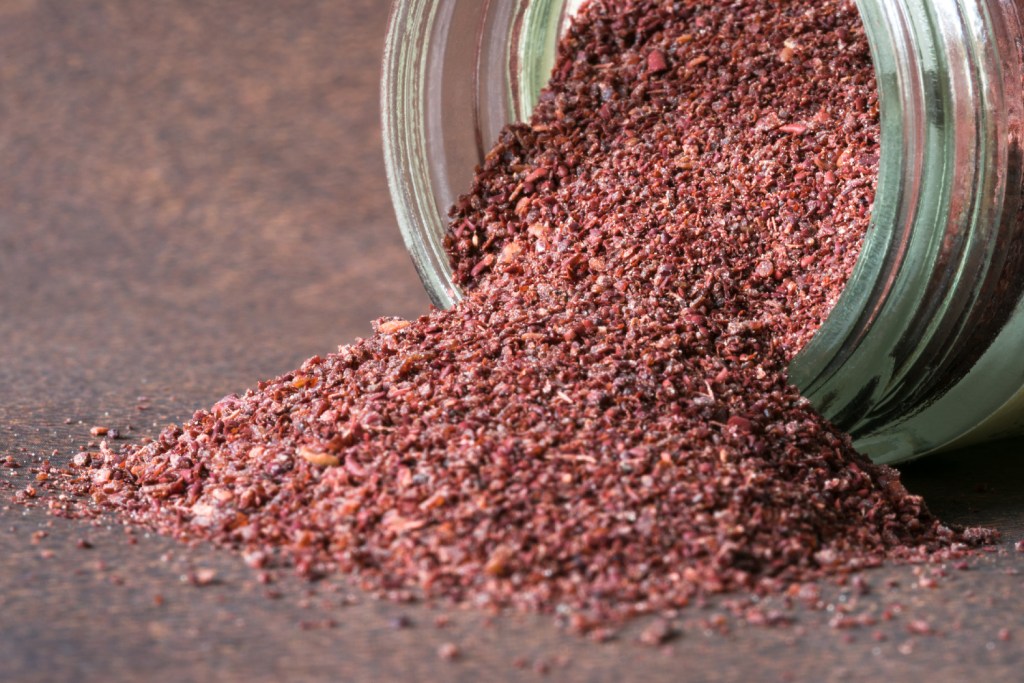
Sumac is very popular in Middle Eastern cooking. A variety of sumacs are poisonous, but the culinary type is easily identifiable by its red berries (the toxic kind has white berries). Sumac berries grow on a shrub in high plateau areas of the Mediterranean like Sicily, but it also grows in Turkey and parts of Iran. Typically, the berries are ground into a coarse powder and sold as a spice. Whole berries can be purchased, but they are hard to find in the US. Sumac’s flavor is similar to lemon juice and adds a red color and tartness to any dish it is added to. Sumac is one of the ingredients in the spice blend za’atar.
Sumac is commonly used in Arabic and Lebanese cooking, and much like salt, it brings out the natural flavors of the foods it is cooked with. Sumac blends well with spices such as allspice, chili, cumin, and thyme and can be used as a flavoring for vegetables, a rub for meats, and is the perfect seasoning for hummus. Sumac pairs particularly well with lamb and duck because it cuts through the fattiness of these meats. Similar to a squeeze of lemon as a finishing touch to a dish, sumac really shines when it is sprinkled over a dish right before serving. Sumac is also a good choice when you want to add lemon flavor to a recipe but don’t want to add liquid in the form of lemon juice.