If you’re in the mood for some home-baked bread but don’t have the time, the skill, or the equipment needed for an all-day baking event, you definitely will want to try making a quick-bread recipe. Easy and delicious, these simple cake-like breads can be sweet or savory and can be enjoyed in far less time than other home-baked breads — some in less than an hour.
Quick-bread recipes traditionally include fruits or veggies, nuts, and spices, and they are a great way to use up excess produce (particularly when gardening season is in full effect). Quick breads are delicious and simple to make, which is why you’ll definitely want to try making one of these amazing quick-bread recipes yourself.

The 411 on quick breads
What is quick bread?
Unlike traditional breads, quick-bread recipes are made without yeast. Rather than using yeast, quick-bread recipes use leavening agents, like baking soda or baking powder, to achieve the rise. They also don’t require kneading or proofing and can go from the mixing bowl to the pan and straight to the oven. In addition, the baking time required for quick breads is usually far less than that of yeasted breads.
The texture of quick bread is more like a muffin than bread. They can be sliced and toasted, but they aren’t meant to be used for sandwiches like their yeasted counterparts.
What are 3 types of quick breads?
- Pour batters: thin enough texture that they can be poured into the mixing bowl
- Drop batters: fairly thick consistency, making it necessary to scrape them from the bowl into the baking pan
- Soft dough: thick enough to roll and shape by hand
What is the ideal flour to use for quick-bread recipes?
In general, it’s best to use all-purpose flour. Considered to be the most versatile pantry flour, it has a medium protein content of 11.7%, making it ideal for pie crusts, cookies, muffins, and, of course, quick breads.
How can you make your quick bread lighter and fluffy?
The simple trick for making lighter, fluffier quick bread is to separate the egg yolks from the whites and then beat the whites until light and fluffy before adding them to the other ingredients at the end.
4 easy quick-bread recipes
Cranberry Bread
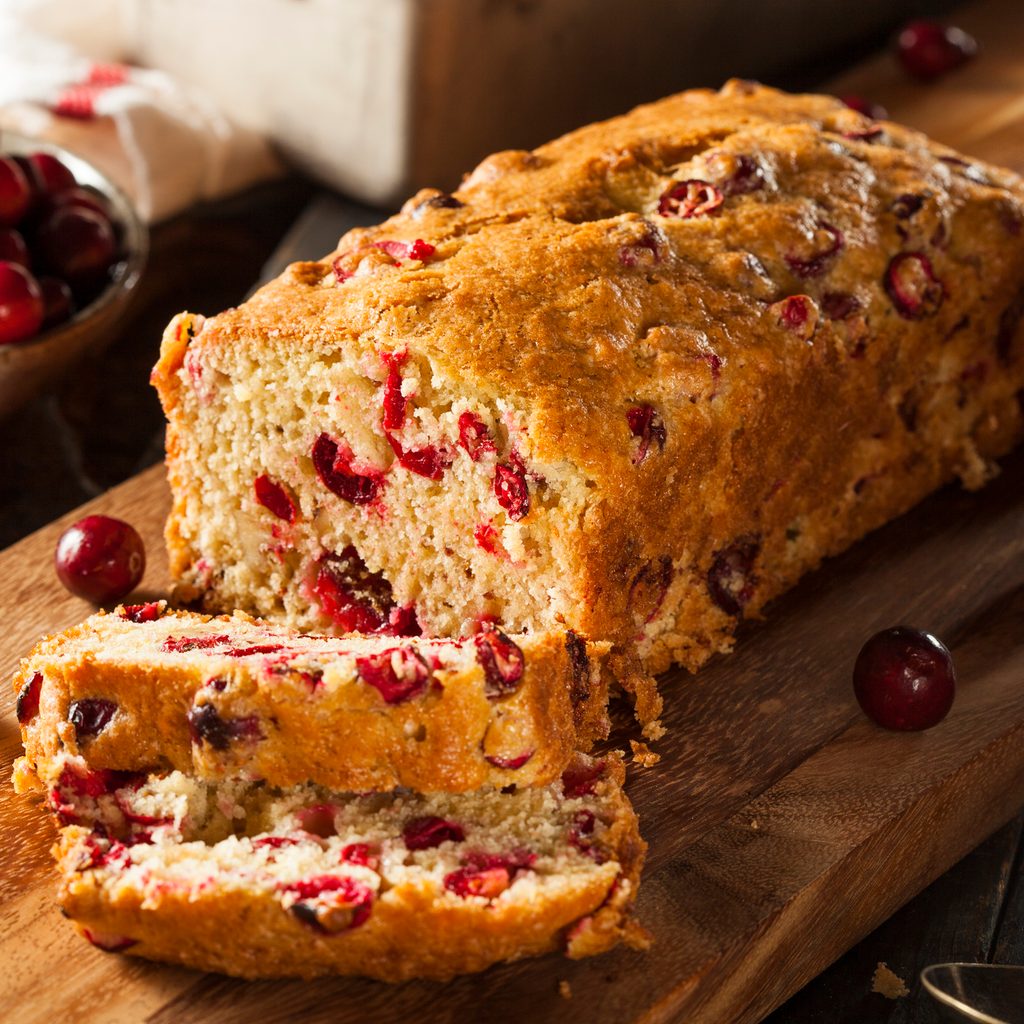
This delicious make-ahead quick bread is the perfect way to impress your guests at your next Sunday brunch or afternoon tea. You can prepare it using fresh or thawed frozen cranberries — either way, sprinkling the cranberries with sugar helps to release their natural flavor and balance out their tartness a bit. Adding chopped pecans to the batter gives an unexpected crunch, while the fresh lemon zest helps to brighten the flavor in every single bite.
Hint: By making this bread the day before you plan to serve it (and wrapping it tightly once cooled), you’ll allow the flavors of the bread ample time to meld together, while also making it easier to slice and serve.
Classic Zucchini Bread with Walnuts
If you’ve never made a quick bread before, this is a great one to start with — you won’t even need to pull out your electric mixer. A spoon, measuring utensils, and two bowls are all you’ll need. It’s lightly spiced and doesn’t taste anything like zucchini, so it’s a sneaky way to get the kids to eat their veggies.
Perfect for breakfast, snacking, or dessert, this recipe makes two loaves of quick bread, so you can enjoy one and give the other to a friend or freeze it to enjoy another time. A delightful flavor mix that includes cinnamon and nutmeg, it’s delicious and moist enough to serve as-is or jazzed up with a cream cheese spread or a touch of whipped salted butter.
Classic Easy Banana Bread
When you have a few too many bananas, this easy recipe will become your new best friend. With minimal prep time, your whole family will be able to savor the best banana bread they’ve ever tasted in under two hours from start to finish. Adding walnuts or pecans to the mix gives it a crunchy texture, but if you’re a nut-free family, this recipe will still hold up beautifully without the nuts.
Hint: Line the baking pan with parchment paper, or generously grease and flour the bottom and sides of the pan, to ensure the bread will easily pop out when ready.
Irish Soda Loaf
It doesn’t have to be St. Patrick’s Day to enjoy home-baked Irish soda bread. We have found that baking the bread in a rectangular loaf pan, rather than the traditional round bread on a baking sheet, really helps to preserve the moisture and makes it easier to slice, too. For a crunchy bite that perfectly contrasts with the sweet, plump softness of the raisins, be sure to include caraway seeds in your dough.
Quick breads are the simple, tasty way to satisfy your craving for something home-baked — they’re healthy, easy, and oh-so-delicious. Take stock of your produce, grab a few pantry staples, and get ready to enjoy some homemade goodness straight from your oven.


