
Kwanzaa food is rich in tradition. Created in the 1960s, this non-religious holiday celebrates African American heritage and culture across the diaspora. From December 26th to January 1st, families come together to eat tasty food and celebrate their community.
Originating from the Swahili phrase “matunda ya kwanza,” which translates to the “first fruits of the harvest,” Kwanzaa food centers around staples such as collard greens, black-eyed peas, yams, and peanuts.
There is no typical Kwanzaa meal. Recipes from West and East Africa, the Caribbean, South America, and even Southern cuisine all have a place on the table. If you’re wondering how to feast this Kwanzaa, we’ve rounded up some of our favorite dishes.
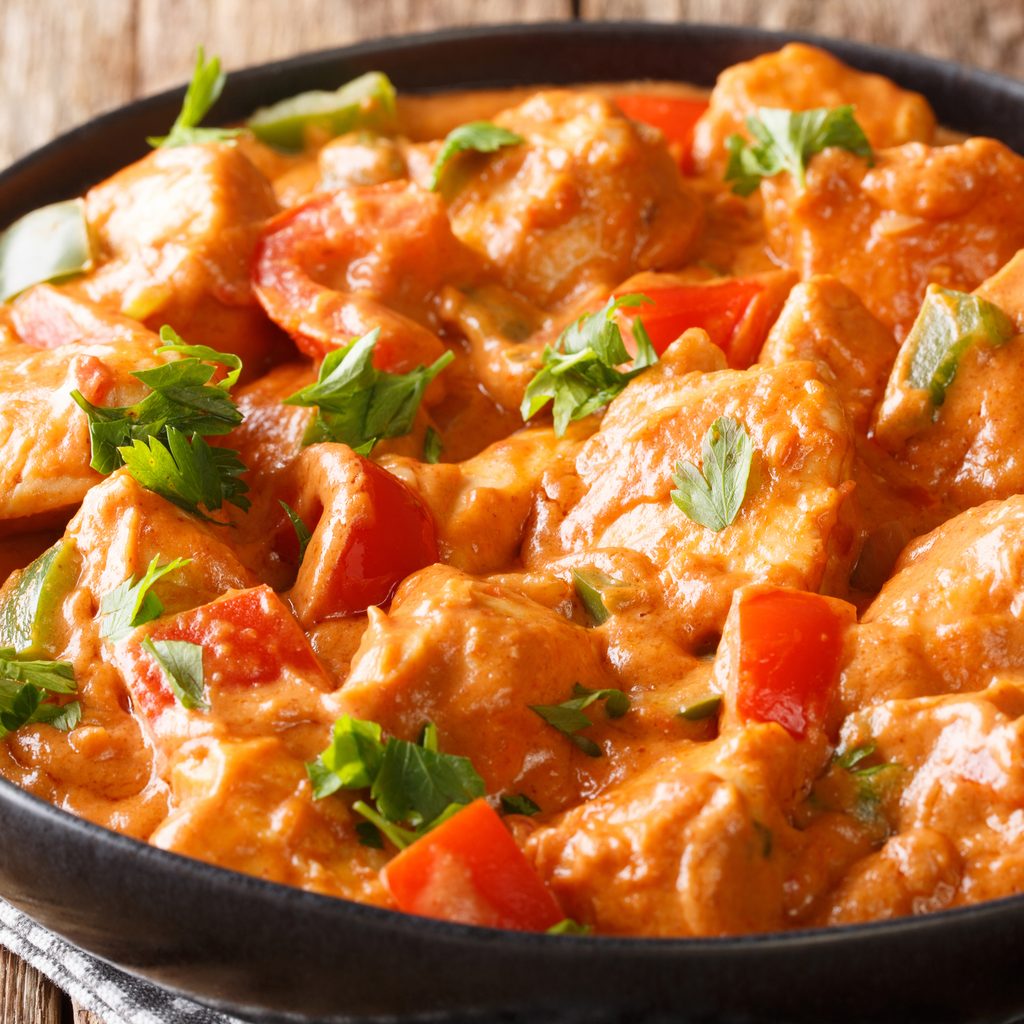
Chicken mafe
Kwanzaa is all about celebrating unity. What better way to do that than by sharing a giant plate with family and friends? This West African classic dish is meant to be eaten with guests. Featuring flavorful chicken slowly cooked in a rich peanut butter and tomato sauce paired with aromatics, this mafe is best enjoyed with a generous amount of rice.
If you like spice, we recommend adding slices of scotch bonnet for a traditional take on this recipe.
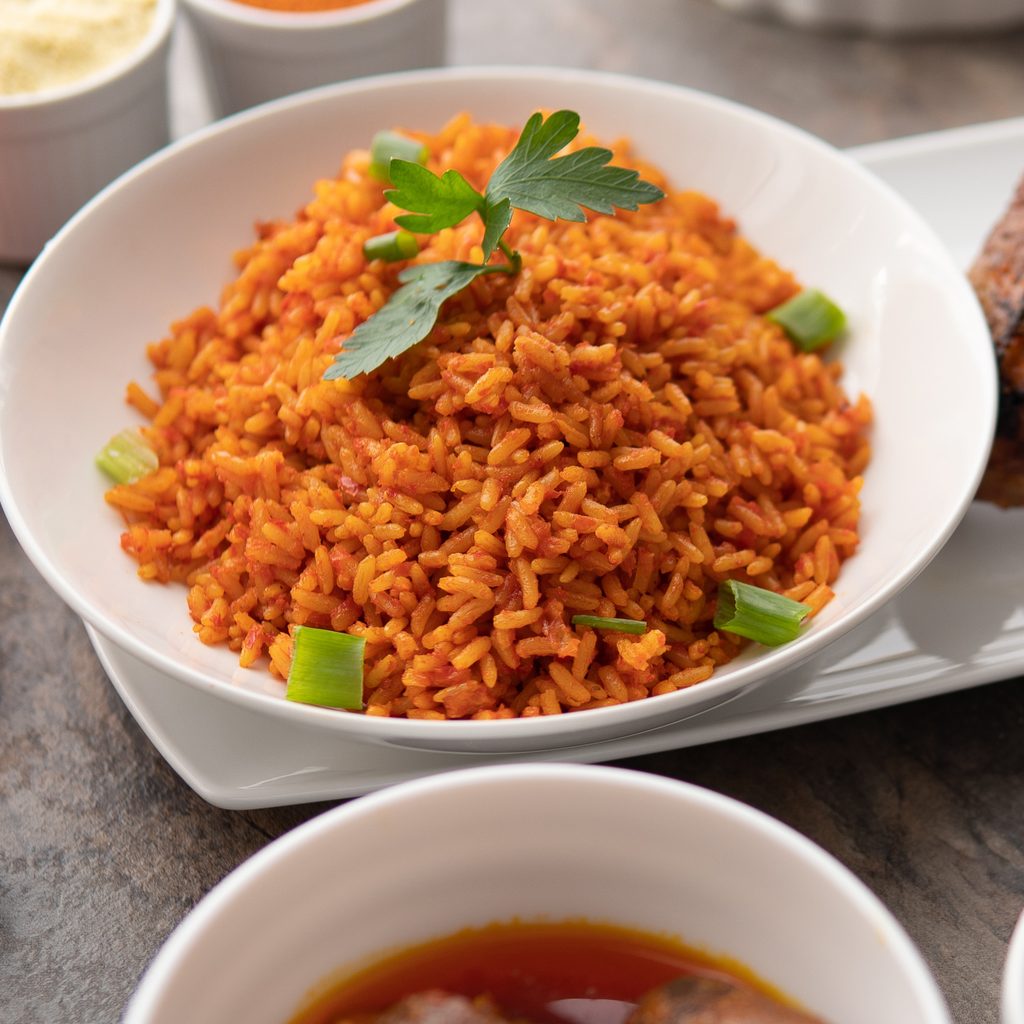
Nigerian jollof rice
Jollof rice is famous throughout the diaspora for a reason. It’s filling, packed with flavor, and provides a delicious base to soak up stews.
Whether you prefer using long-grain basmati rice or jasmine rice, this Nigerian version of Jollof will have your family and friends coming back for more. Pro tip: Leave the lid on at the end of cooking and turn up the heat to have delicious toasty “Party Rice.”
Red red stew
Named for its vibrantly colored ingredients, this Ghanaian stew is rich in red palm oil and gently spiced tomato sauce. This black-eyed beans casserole with its appetizing color and strong aroma, thanks to the fragrant spices and fresh ginger, is a great addition to your Kwanzaa dinner table.
Sprinkle the stew with garri (dry fermented ground cassava) and serve with a side of fried plantain for a classic Ghanaian meal.
Sausage and chicken gumbo
Cooked on low for six to eight hours, this gumbo has a deep and complex flavor. The secret? Simmering the dark roux from the beginning instead of combining it at the end.
This Southern comfort food recipe is filled with smoked sausage, shredded chicken, and delicious okra. Adding it to your mains for Kwanzaa will bring conviviality to your table and make your dinner a memorable one.
Southern-style collard greens
There are many ways to cook collard greens, but this is our favorite. These slow-cooked collard greens simmer for a few hours with smoked bacon and smoked ham for an incredibly tender and tasty result.
Don’t forget to add the apple cider vinegar to the broth; it balances out the salty and savory flavors to brighten the dish.
If you do not eat pork or simply want to skip the meat, adding smoked paprika is a good option.
Creole skillet cornbread
Crispy on the outside with a delicate crumb, this cornbread is a perfect side dish for Kwanzaa. Whole corn kernels bring a delightful texture while creole seasoning adds heat to this skillet version of cornbread. If you like your cornbread on the sweet side, you can include up to three tablespoons of light brown sugar.
A well-seasoned skillet is important for this recipe, so don’t skimp on this part and make sure it is well-oiled and rubbed with salt.
Sweet potato pie with candied pecans and coconut
Garnet yams or sweet potatoes are the star in this delicious pie. (Celebrating the harvest is an important part of Kwanzaa after all.)
Allspice, ginger, vanilla, and sweetened coconut flakes come together to create a sweet and indulgent dessert. Don’t forget a generous amount of whipped cream before serving this crowd-pleaser pie.
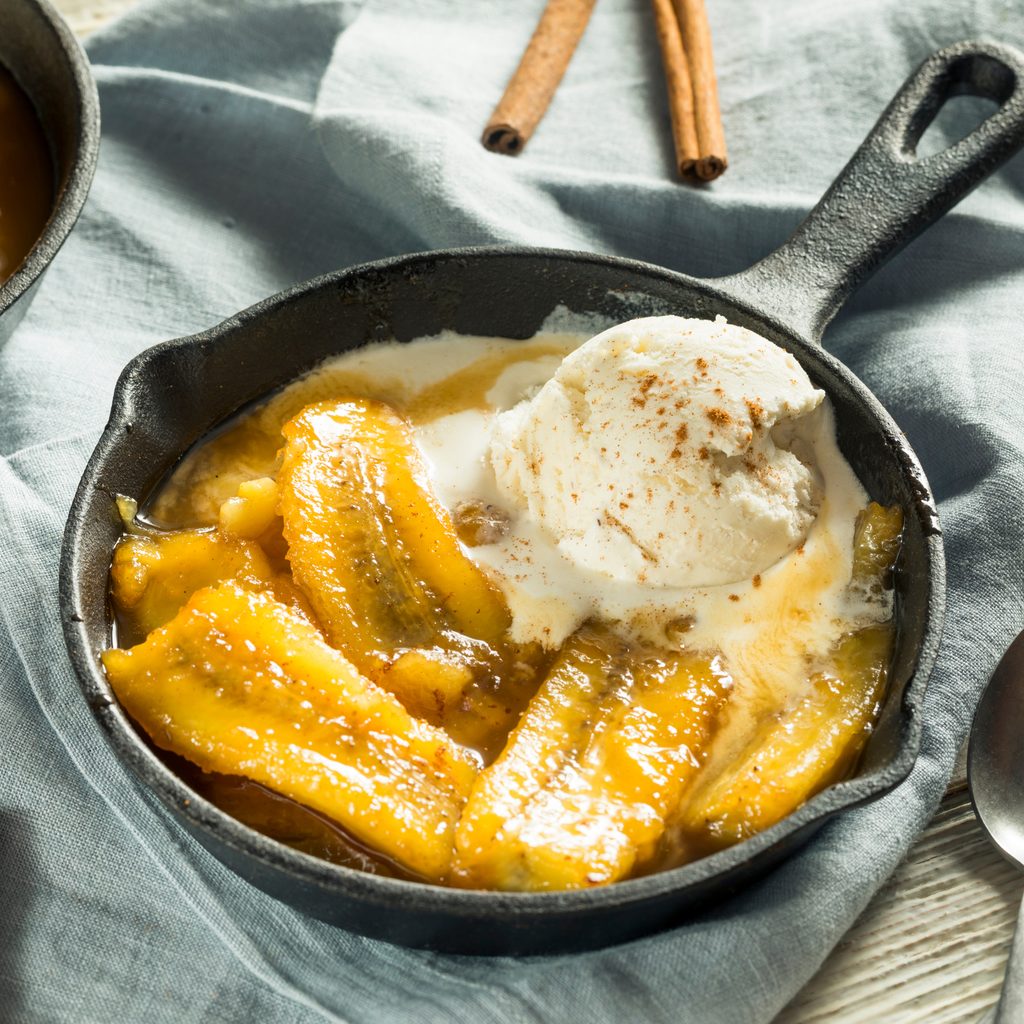
Bananas foster crisp
Packed with brown sugar, crushed gingersnap cookies, and a splash of dark rum, this caramelized banana dessert is syrupy sweet. Top it with a scoop of vanilla ice cream if you’re feeling indulgent. It’s an ideal way to end your Kwanzaa dinner.
Kwanzaa is a seven-day holiday where sharing food with family and friends is an important part of celebrating a rich history and honoring a whole community. It’s a time of reflection and looking forward to the future with hope. Having a feast of delicious dishes originating from all over the African diaspora is a good way to connect with your roots. When December 26th comes, try out one (or more) of the recipes above to celebrate Kwanzaa food. We promise you won’t be disappointed.