
Many homeowners consider spring and summer to be the time best time to take care of their lawns. When the leaves drop, the lawnmower is stored for the season and DIY landscaping efforts are suspended as weekend warriors turn their attention to indoor projects.
The reality is that fall and winter offer the perfect opportunity to invest time in taking care of your lawn and landscape so it will be even more beautiful in the spring. Following just a few simple fall and winter lawn care practices in the cooler months will prevent damage and ensure a thick, beautiful lawn when the weather warms up.
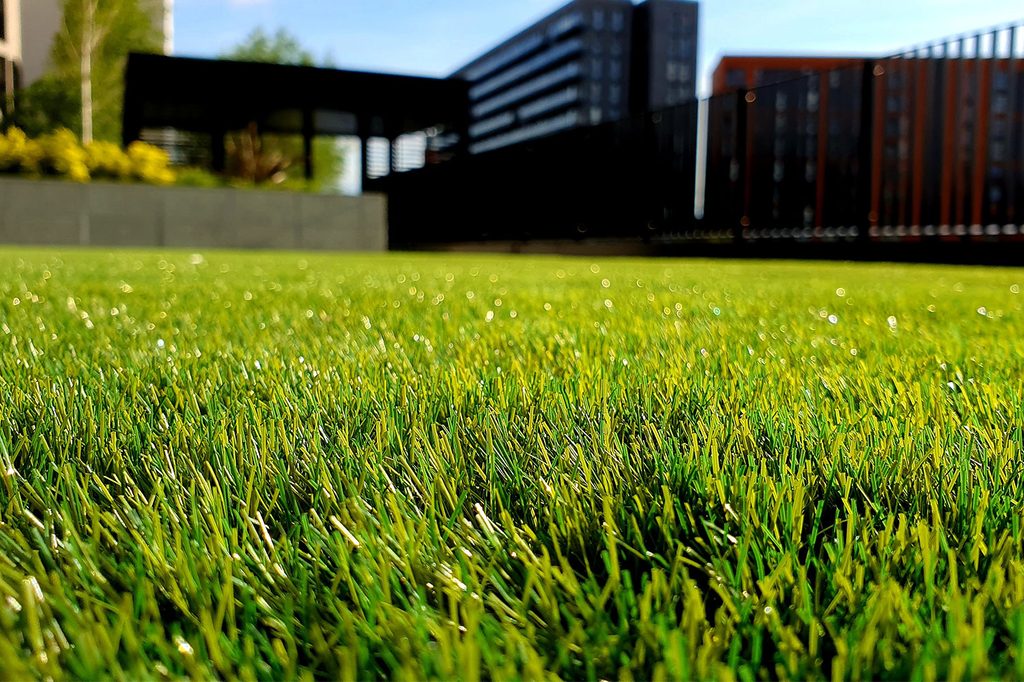
Remove leaves to let grass breathe
Leaves of red, yellow, and brown may look like a beautiful carpet of jewel tones, but they need to be removed from your lawn quickly. It is important that any fallen leaves are raked or blown off the lawn regularly. Make sure to check corners and against the foundation where they can collect.
When the grass becomes covered in leaves, light is blocked and moisture gets trapped. This is a deadly combination for grass and is attractive to mold, mildew, and insects that may wreak havoc. This often leads to dead spots and offers places for weeds to grow.
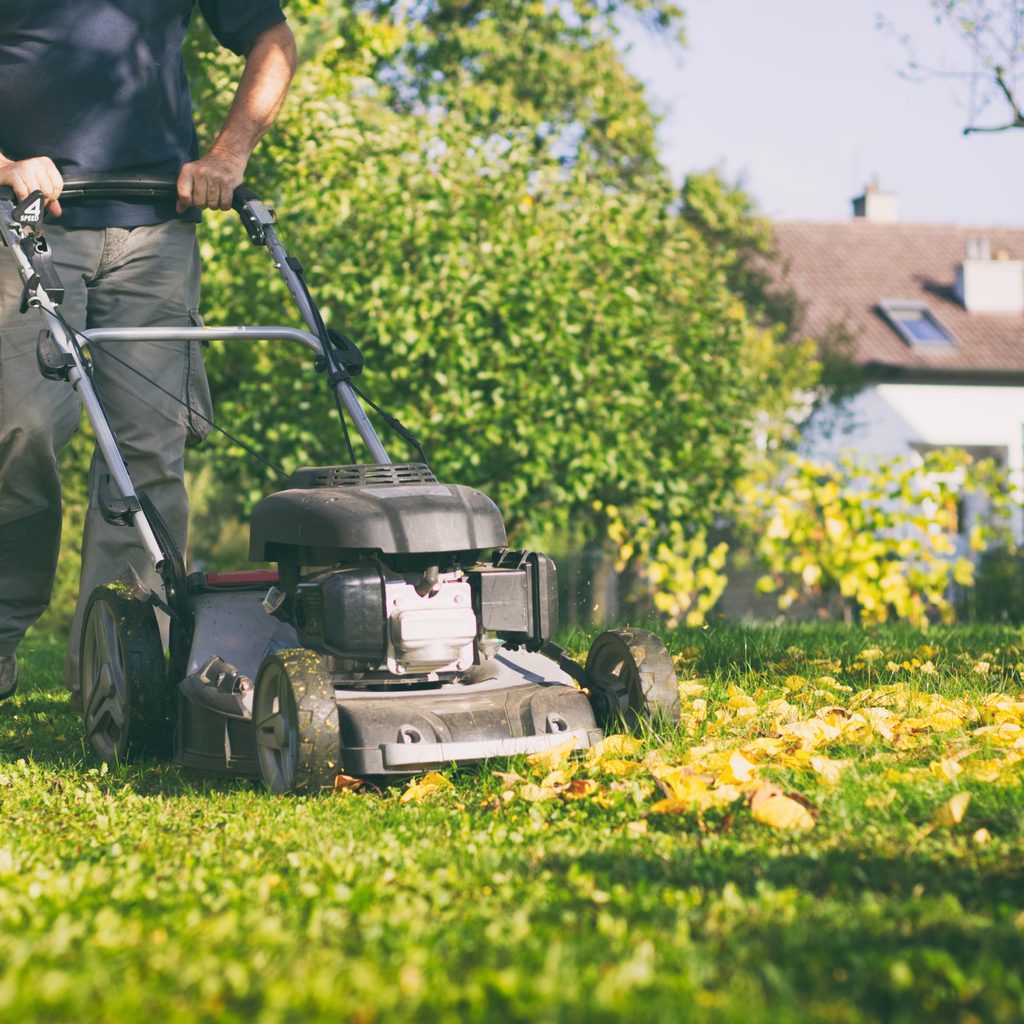
Keep mowing until the first hard frost
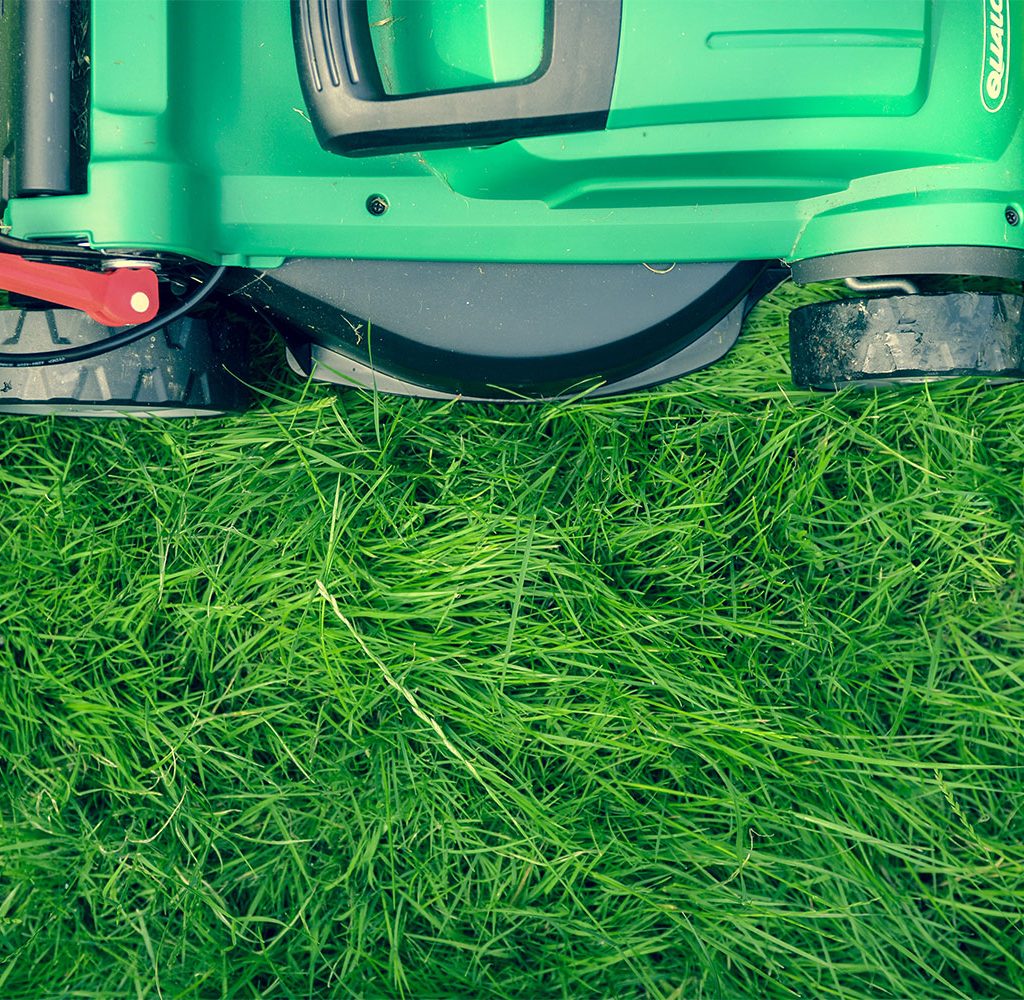
Summer is over, and by now you may be tired of mowing. Although it is tempting to put the mower away, the reality is, grass will continue to grow until the first hard frost. If you don’t keep trimming into the fall and grass gets too long, it will offer a breeding ground for fungi.
As with any time of year, it is best to mow when conditions are dry. Regular cuts are imperative, but keep the grass at 2.5 to 3 inches so it is thick enough to withstand the cold winter. Another bonus of mowing regularly is if you haven’t let the autumn leaves get too thick, the mower will take care of them for you and even create a nice compost to add to your lawn.
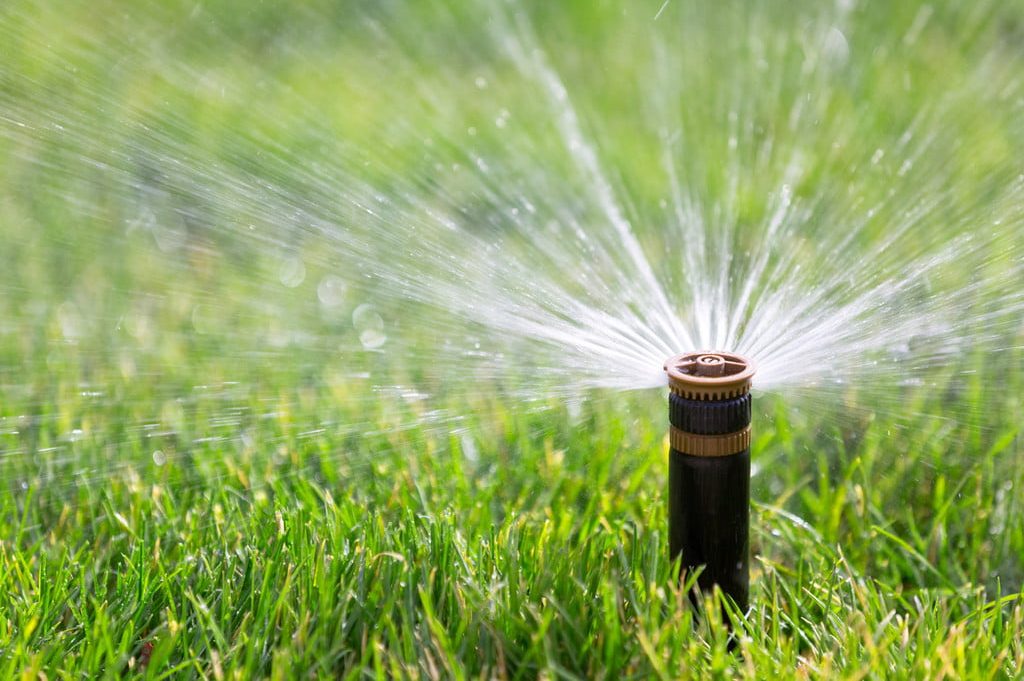
Continue watering to ensure lawn hydration
In the fall, people often discontinue watering. With cooler weather, they think the lawn will be fine on its own. However, it is important to pay attention to rainfall and make sure your sod is adequately hydrated going into the winter.
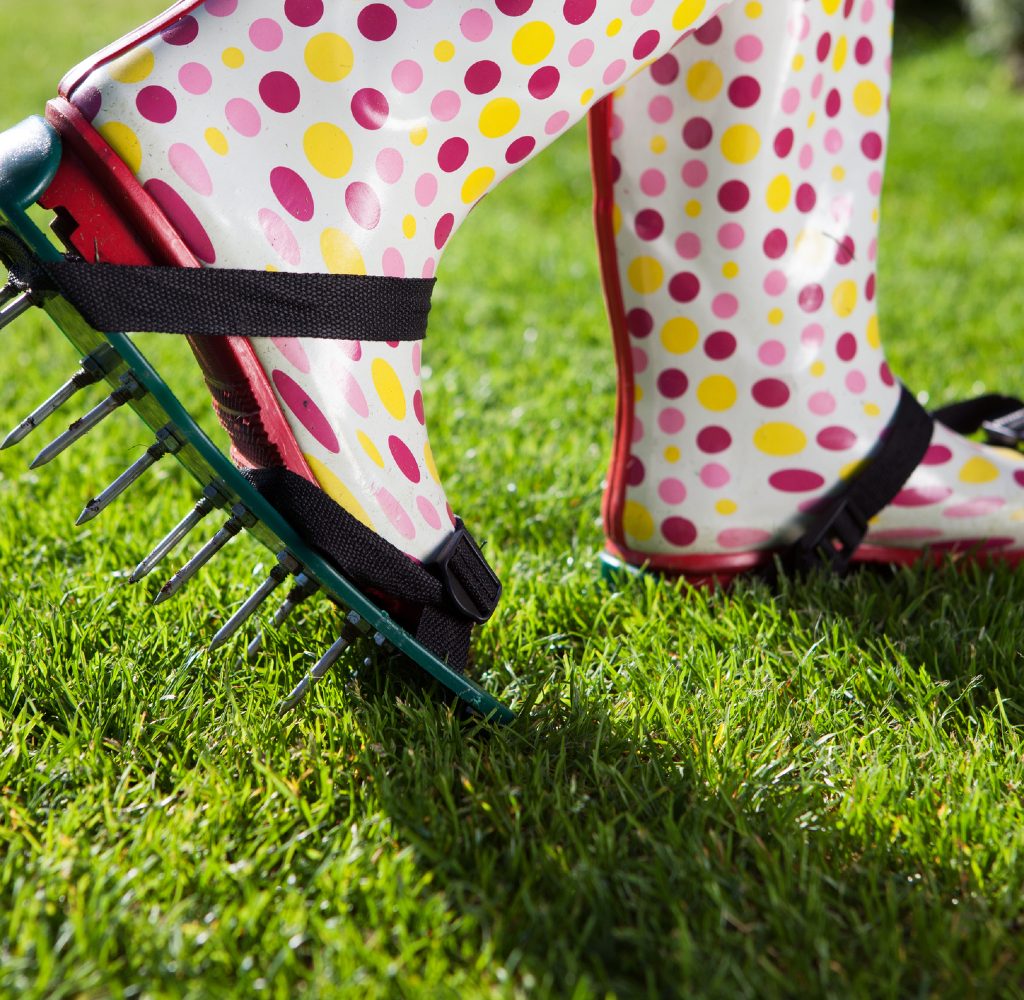
Aerate and fertilize your lawn
Proper lawn aeration practices prevent the soil from becoming too compacted and covered with thatch — a thick layer of roots, stems, and debris that block oxygen, water, and nutrients from getting to the soil. A simple core aerator will alleviate both issues, and lawn-care experts say the best time is right before fertilizing your lawn to ensure the fertilizer reaches the roots.
Just after loosening the soil and mowing, give your lawn a good feeding. Hot summer days are stressful for your lawn, and the cooler temperatures of autumn are ideal for the grass to regain strength. With more moisture present, the grass will do a much better job of absorbing the fertilizer. It’s best to fertilize the lawn in the early morning or early evening, and never before a heavy rainfall.
Address bare spots in your lawn
If you want to ensure a lush lawn in the upcoming spring and summer months, fixing patchy grass and bare spots in the fall is crucial. Begin by raking the area to remove debris and loosen the soil. Next, overseed the bare spots with a suitable grass seed variety, making sure to follow recommended seeding rates.
You should also apply a thin layer of compost or topsoil to enhance seed-to-soil contact. Regular watering is also essential to keep the newly seeded areas consistently moist. This proactive approach in the fall will lead to a vibrant and thriving lawn in the warmer months ahead.
Lawn design
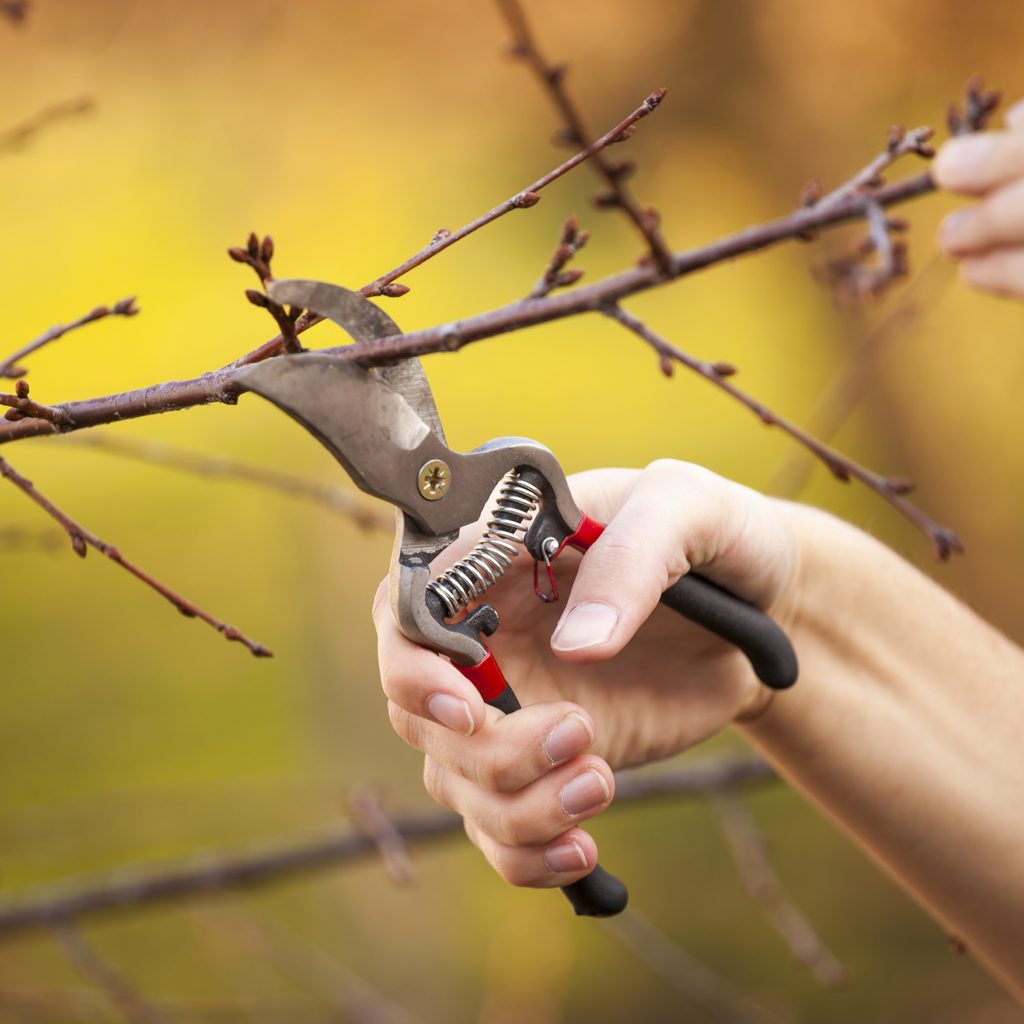
Soon after the leaves drop, you will want to cut back perennials for the winter. The important thing is to wait until the plant has gone through a few hard freezes. Ensure that after cutting the plant, it is dormant and will not have any new growth. Cut perennial grasses and plants 3 inches above the ground using garden scissors or pruning shears. This is also the ideal time to mulch garden beds to ensure they remain neat and attractive.
On the other hand, trees and shrubs should be pruned in the late winter just before spring. This will not only clean up the shape of them, it will also encourage the growth of more flowers and fruit. Just remember not to prune on damp days, as there is a greater chance of encouraging the growth of microbes and spreading disease.
To keep your lawn looking healthy, try to discourage people from walking on it when it is covered in ice or a heavy frost. This will severely damage grass blades. Snow is usually not an issue, but be careful not to overload a certain area with too much, which can lead to something called snow mold. It typically occurs in places of dense snow like a spot where you have cleared the driveway and heaved snow onto the lawn.