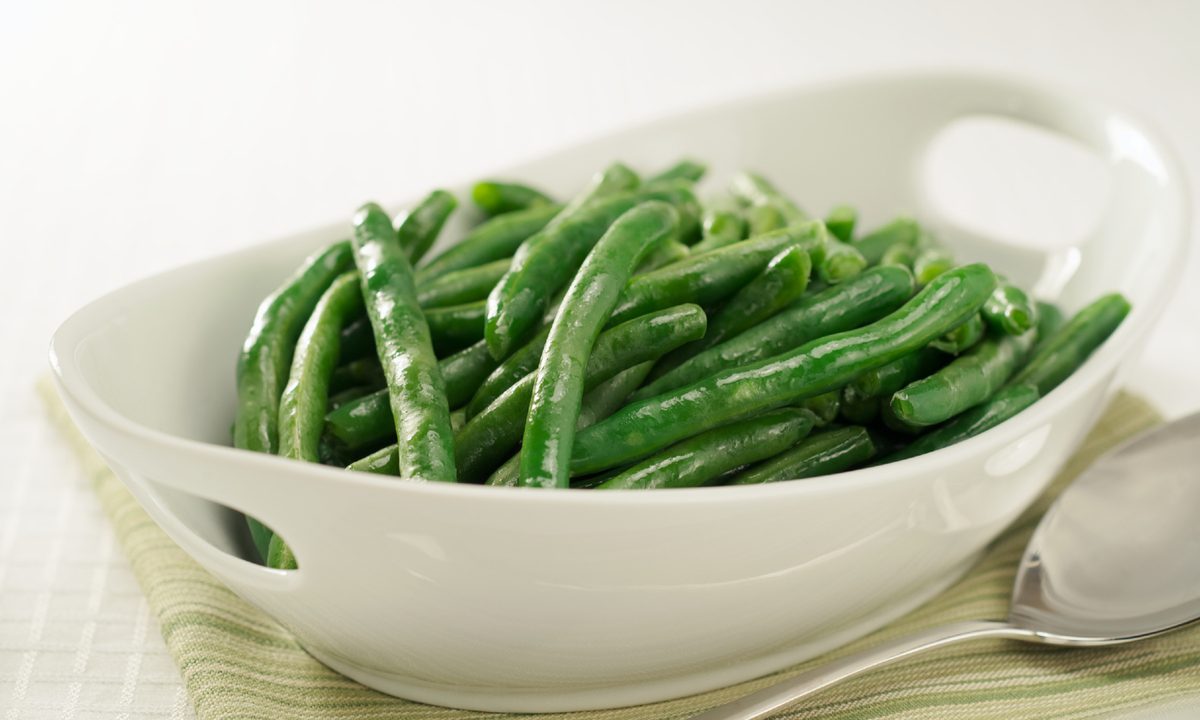
Steamed green beans are a classic side dish high in vitamin K and calcium. Green beans give you a serving of green vegetables that is low in calories and contains antioxidants like vitamin C and other nutrients like fiber. And when cooked properly, steamed green beans are delicious!
We've got you covered if you’ve been looking for a foolproof way to steam green beans. With a few tips, you can have a delicious side dish or healthy snack in just a few minutes.

Is it better to boil or steam green beans?
Steamed green beans don’t have to be the bland, rubbery string beans that you may remember from your childhood holiday dinners. Steaming is a simple way to cook green vegetables, and it is slightly healthier than boiling because fewer nutrients end up in the water.
Steaming also leaves most of the vegetable’s flavor intact while being one of the easiest ways to cook a vegetable. Steaming is even faster than boiling since it takes much less time to bring one inch of water to a boil (the amount needed for steaming) than a whole pot of water (the amount required for boiling).
Why are my steamed green beans tough?
The reason any green bean ends up tough is that it is undercooked. And overcooked green beans end up mushy, neither of which you want. The key to cooking green beans perfectly is twofold:
Step 1: First, you have to watch the beans while they cook.
Step 2: Start a timer for three minutes once you place them in the steamer basket, and check a bean by biting into it when the timer goes off. They should be easy to bite through, but there should be some resistance.
Step 3: If the beans aren’t quite there, recheck them in 30 seconds and every 30 seconds after that until they are.
Green beans go from perfectly cooked to overdone very quickly. The second key to perfectly cooked green beans is, once they are done steaming, to drain them immediately and pour them into a serving bowl to await butter or olive oil and whatever herbs and spices you want to add (don’t forget the salt).
Pro tip: If you’re not going to serve the beans right away or don’t need them for a hot dish, shock the beans in an ice bath to preserve the bright green color and stop the cooking process.

What is the healthiest way to eat green beans?
The healthiest way to eat green beans is steamed. You shouldn’t eat raw green beans since they contain lectins that can cause nausea, vomiting, diarrhea, and bloating if consumed in high amounts. Eating a raw bean or two won’t make you sick, but cooking green beans increases their digestibility by inactivating the lectins.
Boiling green beans leaves some of the nutrients of the beans behind in the water, and though steaming can do this as well, it has much less of an effect. As with any vegetable, adding tons of butter, cheese, or other fattening toppings is not the best way to go if you’re trying to be healthy. We recommend a bit of butter or olive oil, a good amount of salt, and any other herbs or seasonings you like. Follow those steps, and you’ll have healthy and delicious steamed green beans every time.
Green beans are healthy, delicious, and simple to prepare, making them a classic go-to side dish. Steaming green beans is a quick way to get perfectly cooked beans in a short amount of time. Once the beans are steamed, you can toss them with whatever spices, seasonings, and herbs you’d like to spruce them up a bit. Served alongside a protein or as the main ingredient for a salad or snack, steamed green beans come out perfect every time by following the tips above.


