Whether you want to honor the landscape with natural home decor or cozy up indoors to enjoy the concept of hygge, Scandinavian design offers gorgeous simplicity in the home. This design aesthetic is more than just IKEA furniture. Scandinavian design focuses on functionality and simplicity to help connect us with nature while offering a comforting interior to withstand even the darkest of winters.
For those who want to embark on uplifting their minimalist aesthetics or are curious about this beautiful style, here is everything you need to know about Scandinavian design.
What is Scandinavian design?
Scandinavian design pairs minimalism with natural and comforting design aesthetics. This design style emerged from Scandinavian nations like Norway, Denmark, and Sweden, where winters can be long and dark. Scandinavian home design reflects the culture and lifestyle of its people, often emphasizing cozy aesthetics, clean lines, minimal decor, natural materials, and warm lighting.
The general ambiance of a Scandinavian design reflects the region’s snow-capped mountains and long, dark winters. At the same time, it also feels warm and soothing, like the firelight from candles and natural landscapes of this part of the world.
Scandinavian design favors light, neutral tones, and minimal aesthetics, often choosing functionality over gaudy or grandiose displays. The Danish concept of hygge also contributes to the Scandi design style, ushering in a calming and cozy interior design that feels fit for long winters while also honoring nature and the outdoors.
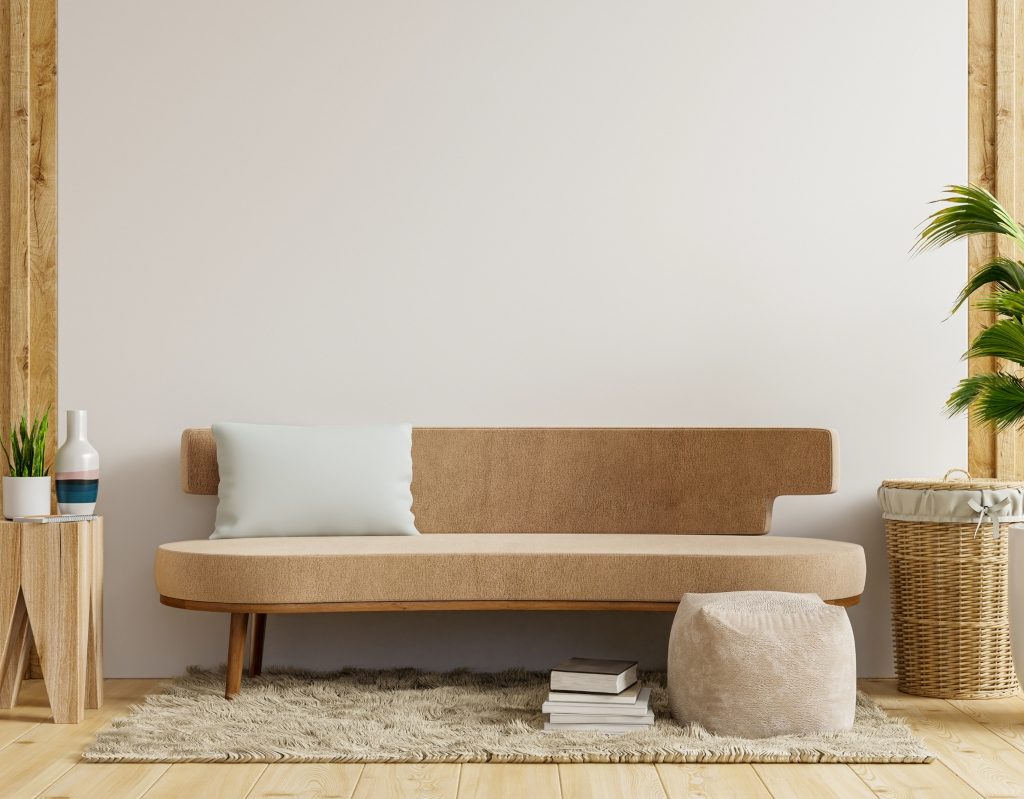
Characteristics of the Scandinavian design style
Scandinavian design shares many characteristics with minimalism or midcentury modern interiors. However, Scandi styles often involve a greater emphasis on nature and coziness. Here are some of the most popular attributes of this design style.
Minimalism
One of the roots of Scandinavian design is minimalism. Scandi design developed after World War II in the 1950s, partly because of the need for functionality and simplicity. This was a time when function reigned supreme, and minimal aesthetics allowed many people to decorate their homes without too much excess. Scandinavian designs honor this call for minimalist home decor, often adopting a “less is more” attitude in decorating. Simple furniture, proper storage to hide clutter, clean lines, white walls, and subtlety are must-haves for this design style.
Neutral tones
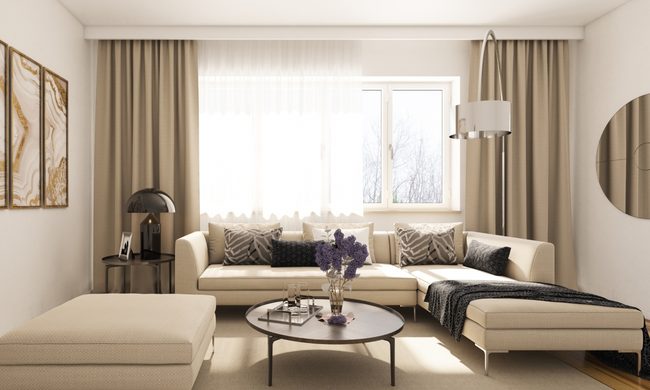
To further highlight the subtlety and minimalism within Scandinavian design, this style often favors neutral tones. White, cream, beige, and tan are staple colors in a Scandinavian palette. These palettes also gravitate toward lighter, airier neutrals that don’t weigh down the space. Since the aesthetic was born out of countries where winters can be long and dark, the palette tends to avoid darker tones, which could come across as depressing. Instead, light neutrals are the way to go.
Natural materials
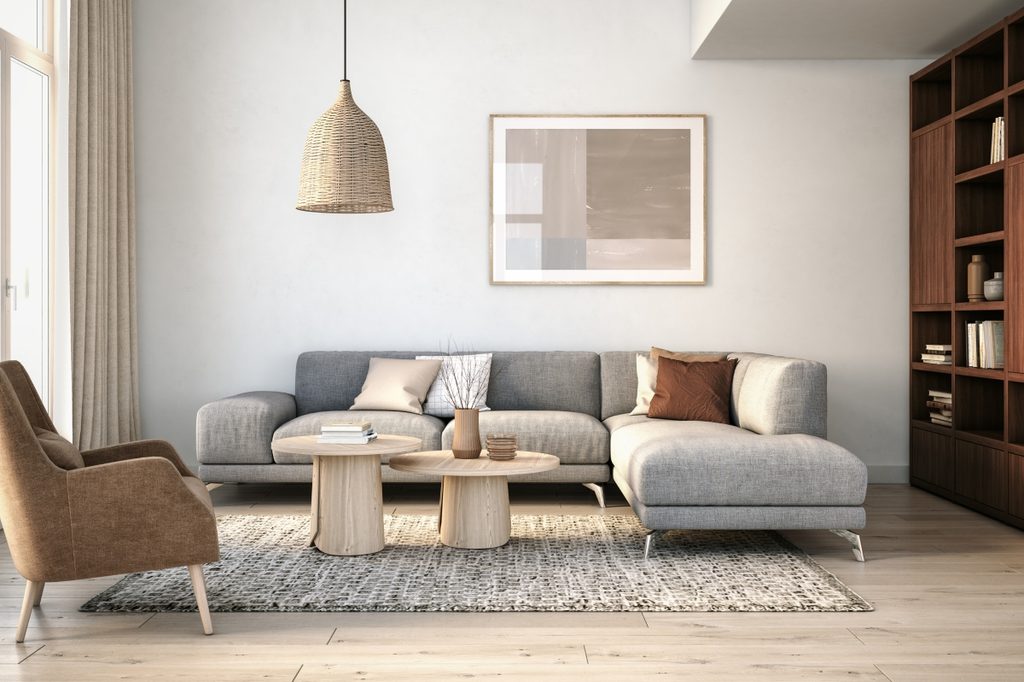
Natural materials are another must-have for Scandinavian design. One of the core values of this style is an adherence to nature and the need to invite nature into the home. Whether using large windows to capture the gorgeous views and landscapes in Scandinavia or bringing natural woods and houseplants indoors to help provide more comfort during the winter months, Scandi design often implements nature in many aspects of its decorum. Light woods like pine or beech are a popular inclusion in this design style.
Lighting
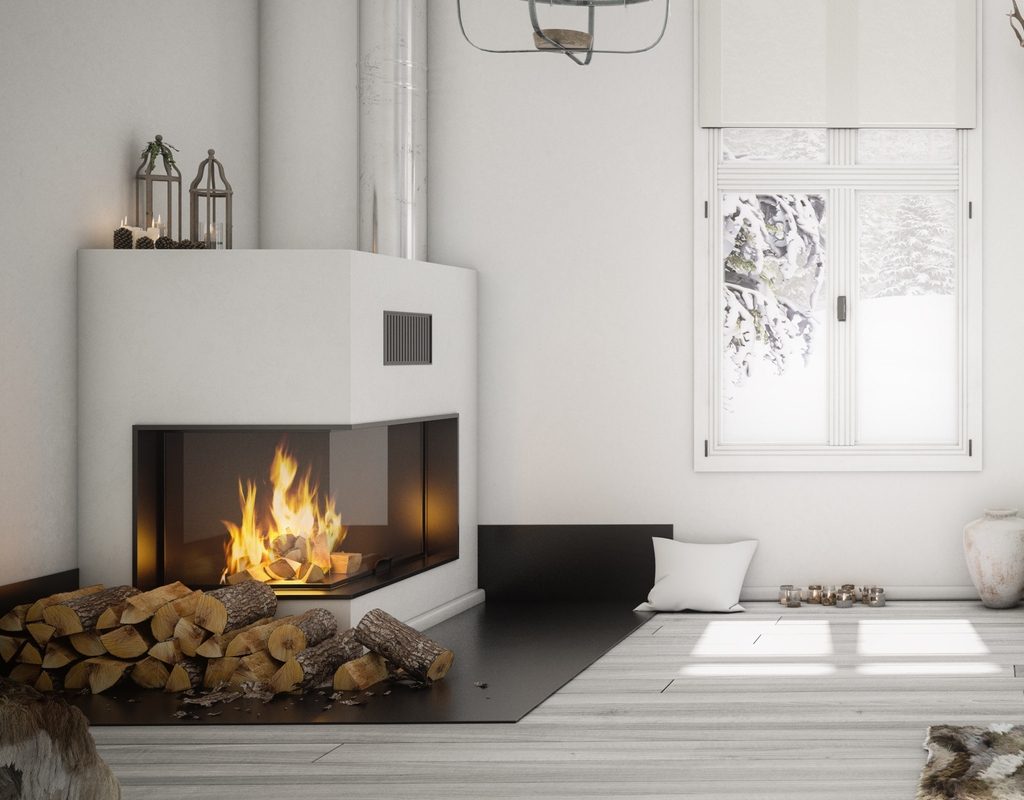
Lighting is essential for pulling off a proper Scandinavian look. Since this aesthetic derives from nations where nights can be long, candlelight, wall sconces, fireplaces, and lamps are a priority in home design. Warm lighting, in particular, creates a more natural ambiance, hinting at the collective memory of many nights spent around the fireplace.
Clean lines
Clean lines are another feature of Scandinavian design. While this may be represented through straight and sharp cuts or soft and rounded edges, lines will remain clean and poignant in the space. Thanks to the minimalist aesthetic, there is less furniture competing for attention in the room. Furniture should be simple, functional, and comforting rather than intricate or exaggerated.
Cozy textures
Cozy textures like wool blankets and woven rugs are also staples of Scandi design. To prevent the space from feeling too stark and cold, various textures should be added throughout to create a gentle layered look while also adding visual interest. Rugs, tapestries, canvases, wood features, stone fireplaces, throw pillows, and blankets are a great way to enhance the coziness of the space without adding too much clutter.
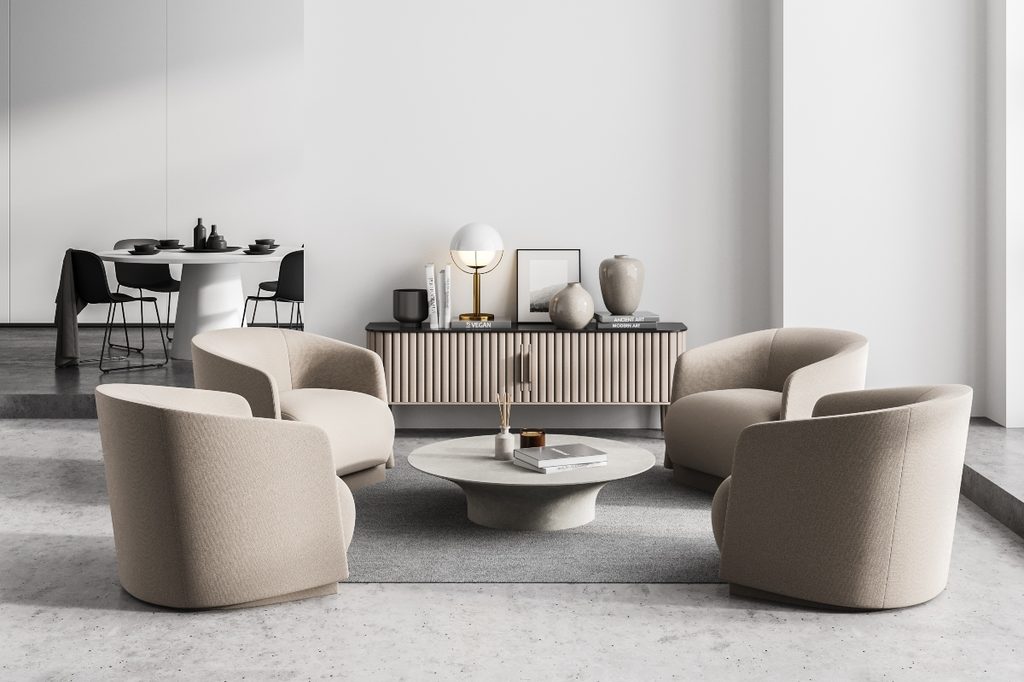
How to achieve a gorgeous Scandi design
Now that we have covered the core aspects of Scandinavian design, you may be wondering how to put it into practice. Here are some great ideas for achieving a gorgeous Scandinavian interior.
Adopt a “less is more” design mindset
To achieve a stunning Scandinavian design, it’s important to adopt a “less is more” attitude within the interior. Opt for simple but highly functional pieces of furniture. For example, rather than investing in many bookshelves for an office space, opt for simplicity and choose one bookshelf in a light wood tone that adds to the clean-lined look of Scandinavian design. There’s no need to go over the top. Keep furniture at a minimum and only use decor items that feel purposeful within the space. Additional hidden storage for your items will also help you cut the visual clutter.
Focus on natural materials and textures
Scandinavian design is based on an appreciation for the outdoors. To best pull this off in your home, use natural materials. Opt for light wood furniture, woven rugs, stone decor, and wool blankets for a natural look. Keep your color palette minimal and lean toward neutral hues for a more organic aesthetic. Additionally, opt for wood cabinets in the kitchen or wall tapestries for decor. Texture is an important aspect of this design style because you want to strike a balance between creating a cozy environment without cluttering the space.
Emphasize cozy aesthetics and ambiance
While texture is one way you can achieve a cozy Scandinavian look, you will also want to focus on the general ambiance of the space. Choose colors, woods, and furniture pieces that have a warm undertone. While you want to avoid dark colors like deep brown, navy, or black, you don’t want your white hues to be too stark. Instead, opt for ivory or cream, or choose colors with a warm yellow or red undertone. Focusing on lighting will also be valuable to your space. Choose simple floor lamps, wall sconces, candles, or ceiling lights that are both minimal and warm. Warm lighting is a great way to curate a cozy feel in the home.
Scandinavian design is about finding a comforting blend of minimalism and natural aesthetics. Cutting the clutter, inviting the outdoors in with large windows or natural materials, and choosing items representing the hygge concept are crucial to pulling off a gorgeous Scandi look.