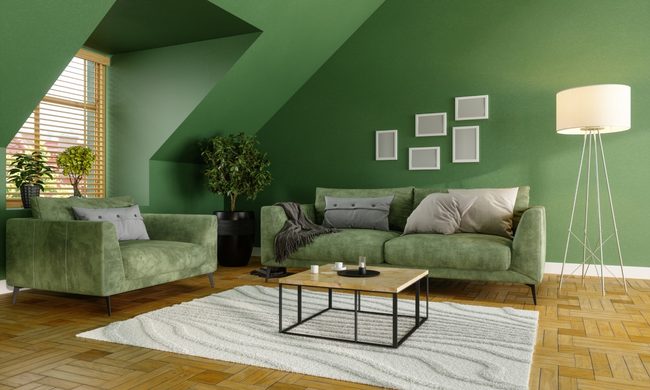
When you’re refreshing your home with a new coat of paint, you want the best materials possible to make sure your hard work lasts. Picking the best paint can be difficult, though, because there isn’t a single product that’s head and shoulders above the rest. There are so many variations in paint products because different projects require different materials. Whether you’re painting your home’s exterior, bedroom walls, or a high-traffic area like the hallway, you’ll need a certain type of paint for the job at hand.
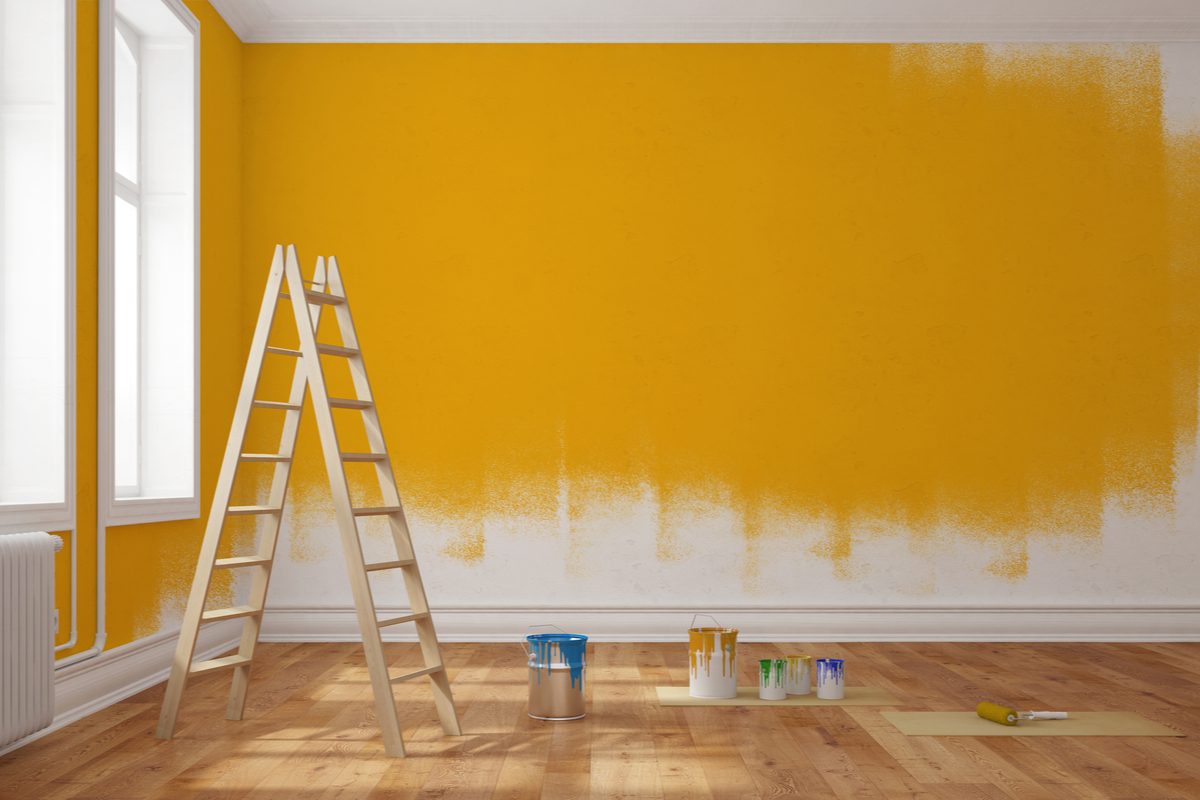
Different types of paint finishes and their best uses
A paint’s finish, or “sheen,” refers to the way it reflects light once dried. Some finishes reflect light well, creating a glossy appearance, while others reflect little to no light, resulting in a more matte finish. These sheens also have a variety of other benefits, like cleanability or their ability to hide surface imperfections, so there’s a lot to consider before purchasing a paint can or two.
Flat and matte finishes
Since flat finishes don’t reflect much light, they tend to hide surface imperfections well, making these products great for textured interior walls. Flat and matte finishes also go on smooth and are the cheapest types of paint, so painters like to use these for large areas. Unfortunately, these finishes are not very durable and don’t withstand cleaning well, so they’re not recommended for high-traffic areas.
High-gloss finish
On the other end of the spectrum is high-gloss paint, a finish that reflects the most light and is the most durable. It’s a great option for high-traffic areas like hallways, kitchens, banisters, and doorways, as you can easily wipe any smudges or fingerprints off this moisture-resistant finish. However, paints with a high-gloss finish tend to be more expensive and they don’t hide imperfections, so small knicks and scrapes will be visible.
Eggshell and satin finishes
As a compromise between high-gloss and flat finishes, eggshell or satin finishes give you the best of both worlds. They have a higher sheen than flat and matte finishes, making them more durable and washable, but they also go on smoother and conceal better than high-gloss paint. These are the best options for the home’s exterior since they hide imperfections that are common on outdoor surfaces, but they also withstand the elements better than flat or matte finishes.
Semi-gloss finish
A semi-gloss finish falls somewhere in between high-gloss and eggshell finishes in terms of sheen, durability, and coverage. It is more durable and moisture-resistant than eggshell but doesn’t cover imperfections as well. However, it has better coverage than high-gloss paint. This is like the jack of all trades finish, as it performs fairly well in all categories.

Different types of paint bases
The paint’s base refers to the ingredients that help it adhere to the surface. Like the finish, the base also impacts the aesthetics, durability, and cleanability of the final product.
Oil-based and enamel paint
Enamel and oil-based paints are defined by their hard, durable finish. They usually have a high or semi-gloss sheen and are great for high-traffic interior surfaces. While they can withstand cleaning, moisture, and humidity, they usually require special types of paintbrushes and rollers to ensure a smooth application. Working with oil-based paint requires a bit of preparation. Spills are difficult to clean up and the paint also releases harmful vapors during the application, so it’s imperative to protect yourself and your work area.
Water-based paint
Water-based paints, on the other hand, release no harmful vapors or strong odors. They typically have a matte or eggshell sheen, so they don’t reflect as much light and are known for their smooth application and quick-drying time. They also don’t require a primer and are much easier to clean up when spilled. While easy to use, water-based paints don’t last as long as oil-based paints, and they tend to be a bit more expensive.
Latex-based paint
A happy medium between water-based and oil-based paints, a latex-based paint is durable and easy to apply. Like water-based products, it’s non-toxic and easy to clean, but it’s also less durable. Additionally, while they have more shine than water-based paints, they don’t have as much of a glossy finish as those with oil bases.
Ideally, your new coat of paint will be both beautiful and long-lasting. Hitting this sweet spot involves a bit of mixing and matching to pick the right finish and base for the surface and location of your project. While there’s a lot to consider, this guide will ensure your newly painted space will be fresh and gorgeous for years to come.