So, you’re in the midst of your spring cleaning, and you’re scouring your home for your multi-purpose cleaning solution when you realize you’re all out. Before heading off to the store to purchase a new organic cleaner, check to see if you have some vinegar hiding somewhere in your kitchen.
Before you roll your eyes at us, hear us out. Vinegar is an amazing cleaning agent that is versatile and chemical-free. If you want to clean your home in a way that feels natural, opt for white vinegar organic cleaning to get rid of even the toughest stains. We’ve put together six fantastic vinegar solutions that you can make right in your home, so save yourself a trip to the store and opt for this multi-purpose cleaner instead.
Clean your windows and mirrors
Mirrors and windows adopt smudges and streaks over time. Whether you have toothpaste spattered on your bathroom mirror or pet nose smudges on your windows, vinegar can be an affordable solution for getting rid of these eyesores.
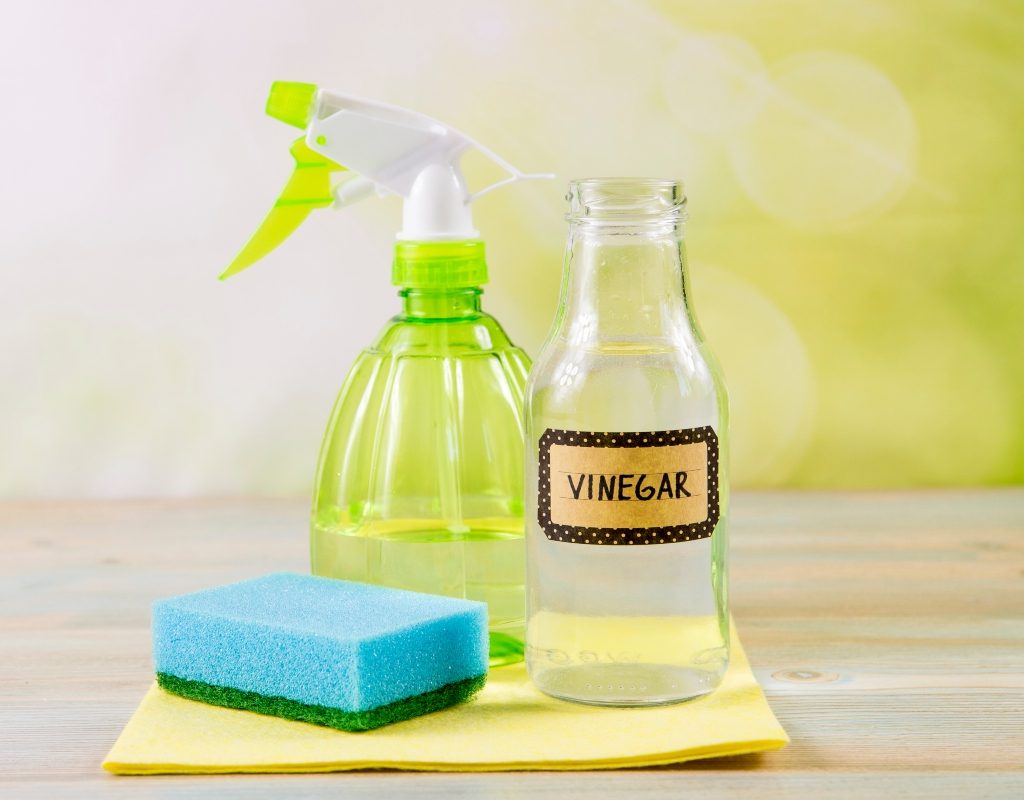
Rather than using harsh blue chemical formulas on your glass surfaces, fill a spray bottle with equal parts of white vinegar and warm water. Spray the solution on the surfaces you want to clean and wipe with a lint-free or non-streaking cloth.
Get rid of build-up in the kitchen
Your kitchen sees a lot of action throughout the day and, as a result, often ends up one of the messiest rooms in your home. Areas like your stovetop, in particular, are prone to grease and food build-up.
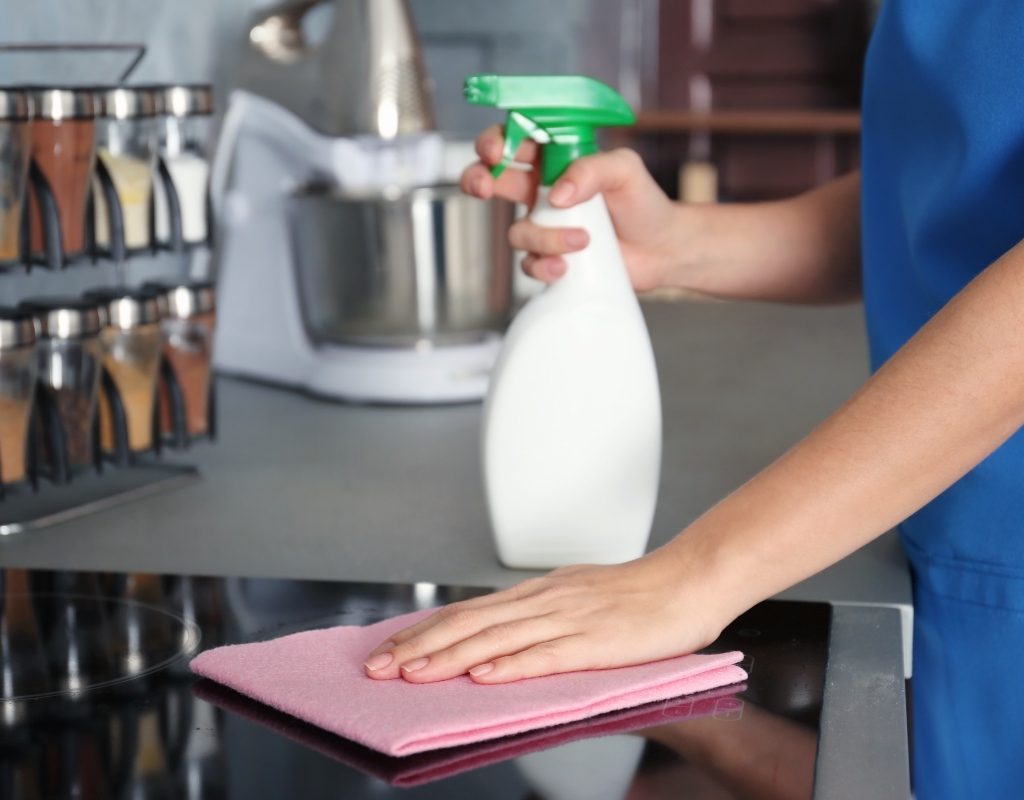
If you have an extra spray bottle, fill it with vinegar and spritz the top of your stove. It’s okay to be generous, especially in those tough-to-scrub spaces. Allow the vinegar to sit for about fifteen to twenty minutes before wiping away with a cloth. For more challenging stains, add a few drops of dish soap and use a sponge or scrub brush to lift the residue.
Use vinegar to get rid of foul smells
If you notice your sink or fridge has adopted a foul smell over time, you might want to consider using vinegar as an odor-eliminator.
To clean the sink and garbage disposal, pour ½ cup of baking soda followed by one cup of vinegar down the drain. You’ll notice that the drain will begin foaming where the two cleaning agents meet. Once the foam starts to disappear, run the disposal and flush out the sink with warm water for approximately five minutes.
To clean your fridge, first, remove any items that may be in the way and set them aside to clean your fridge. This is the perfect time to go through expired goods! Using a spray bottle with equal parts vinegar and warm water, spray all surfaces of the fridge. Use a wipe or cloth to clear up any grime.
Clean your microwave
Before you remove the glass plate and whip out your wipes to clean your microwave, consider giving the appliance a vinegar steam treatment. Using a microwave-safe bowl, fill the dish with one cup of warm water and ¼ cup of vinegar. Using a high setting, microwave your bowl for about five minutes or until the water has maintained a steady bubble.
Once the microwave is finished, pull out your bowl with oven mitts and set it aside. The water and vinegar cleaning solution softens and raises stuck-on stains in your microwave, making it easier to clean. Use a cloth to wipe away the lifted residue.
Polish your stainless steel appliances
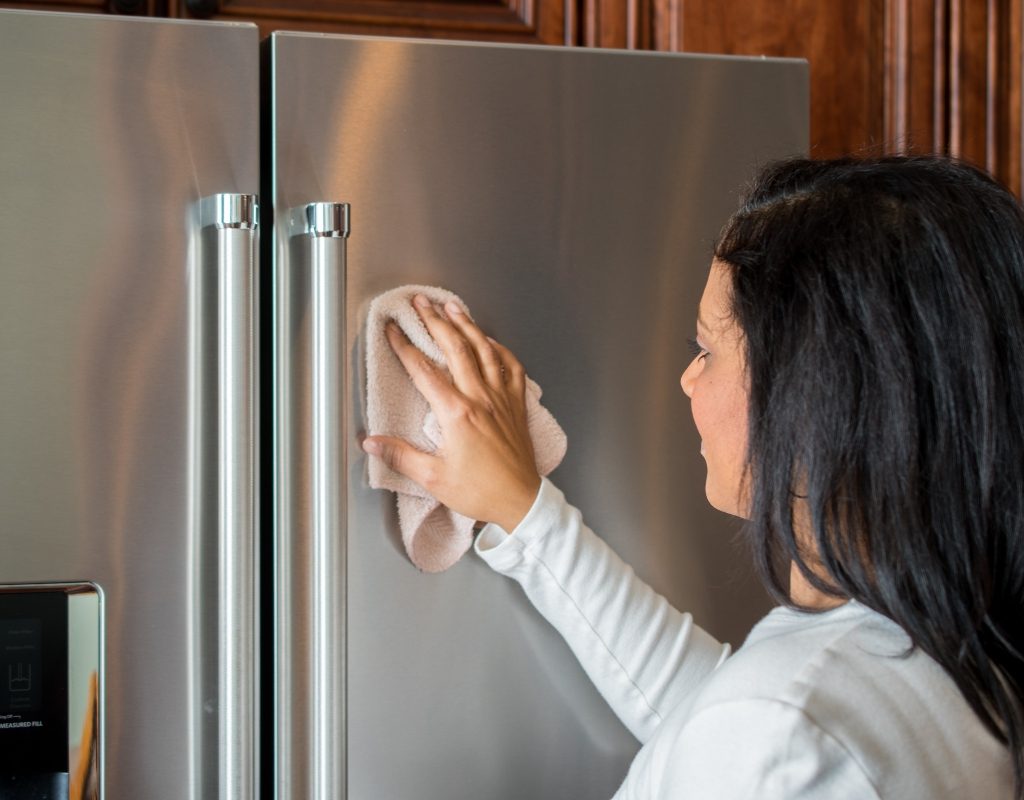
Fingerprints and smudges on stainless steel can become an eyesore for the kitchen. Instead of heading to the store for a specialty cleaner, opt for a more affordable solution. Dampen a cloth with warm water and vinegar. Wiping with the grain of the steel, rub your cloth over smudges to remove fingerprints and marks. Do this for all stainless steel appliances in your kitchen for an even shine.
Clean the dishes
Your grandmother wasn’t kidding when she said vinegar was the best dish soap! If you have tough stains on pots, pans, or other dishware, vinegar is a great solution to clean them up to look brand new. To make an all-in-one cleaning solution for your pots and pans, add equal parts of salt and flour with a small amount of vinegar to form a paste. Use this paste as a scrub and clean any greasy or grimy dishes.
To make glassware really shine, add a bit of vinegar to your dishwasher or to your dish cleaning routine to clear away any smudges or streaks. For coffee stains, soak a paper towel or dishcloth in vinegar and wipe away any spots or residue on your favorite dishware. Then, depending on which you prefer, clean normally or set it aside to air-dry.
Vinegar is a versatile multi-purpose cleaning agent that many people already have in their household. There’s no reason you should limit vinegar to cooking when its acidic formula is perfect for getting rid of tough stains and smudged glassware. Try out different methods of using vinegar as a natural cleaning agent before purchasing your next chemical formula at the store. You might be surprised by how effective this affordable and organic solution can be!