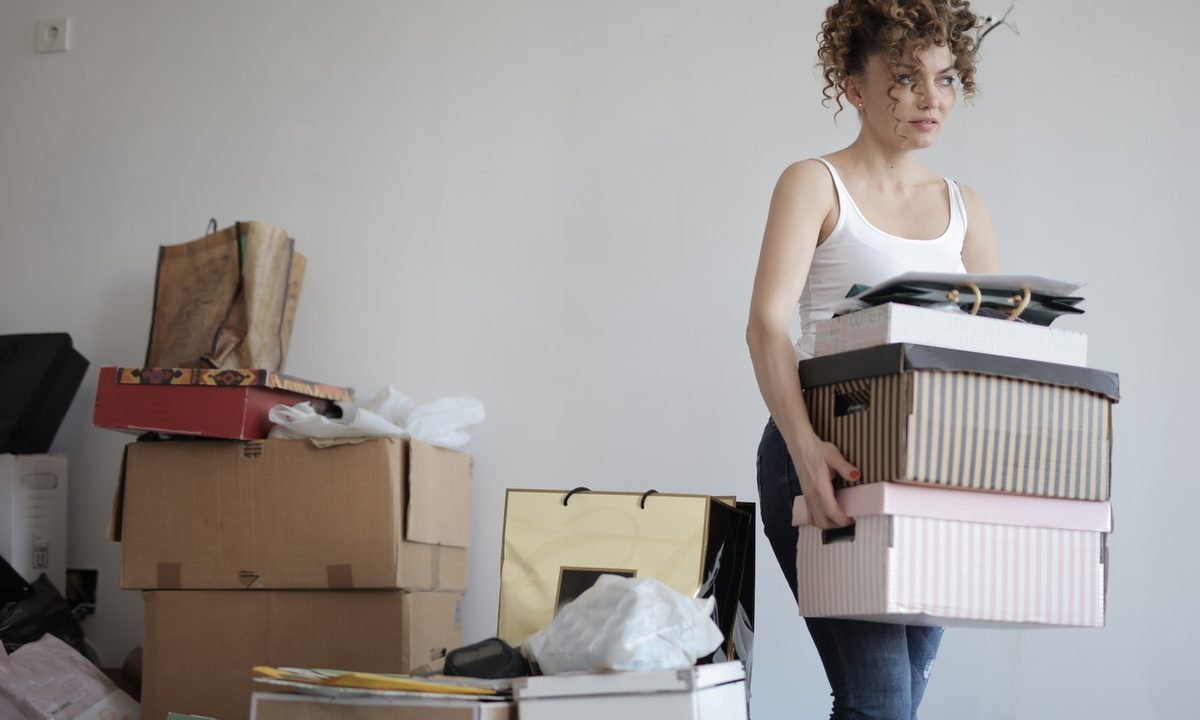
Swedish death cleaning might sound ominous, but it’s actually a liberating and practical approach to decluttering your life. This Scandinavian tradition isn’t always about preparing for the end but about taking charge of your belongings, so your life and your loved ones’ lives are less burdened by unnecessary stuff.
Whether you’re downsizing, purging an over-cluttered home, or you simply want to make your space more minimalist, Swedish death cleaning offers a thoughtful framework for living with less stuff while keeping what truly matters.
What is Swedish death cleaning?
Also called döstädning, Swedish death cleaning combines “death” (dö) and “cleaning” (städning) — but don’t let the name scare you. It’s a time-honored decluttering philosophy centered on intentionally downsizing your belongings over time. While the term originates from Sweden, its message of simplicity resonates globally.
The goal is to reduce the emotional and physical burden of managing a lifetime’s worth of possessions — both for you and for others who may need to deal with them later. Unlike spring cleaning, Swedish death cleaning is less about perfection and more about prioritization.
It’s a gentle, ongoing process rather than a one-time purge, and it encourages meaningful reflection on what you truly need and cherish.
Benefits of Swedish death cleaning at any age
While traditionally associated with older adults, Swedish death cleaning isn’t just for people nearing retirement. It offers benefits at any stage of life.
- Mental clarity and reduced stress: A decluttered environment can do wonders for your mental health. By letting go of excess items, you’ll create more space — physically and emotionally.
- Better cleaning and organization: With fewer belongings to manage, it becomes easier to clean your home and keep track of what you own to always find what you need.
- Strengthened family bonds: Swedish death cleaning often involves conversations with loved ones about sentimental or heirloom items, fostering connection and understanding.
- More space and freedom: Less clutter means more room for creativity, relaxation, and the ability to embrace new experiences without being tied down by “stuff.”
Your Swedish death cleaning checklist

Starting the process can feel overwhelming, but breaking it into manageable steps makes it easier. Below, we’ve created a checklist to guide you through Swedish death cleaning. Start with one area, and move at your own pace — you’ll see progress in no time.
1. Start with your wardrobe
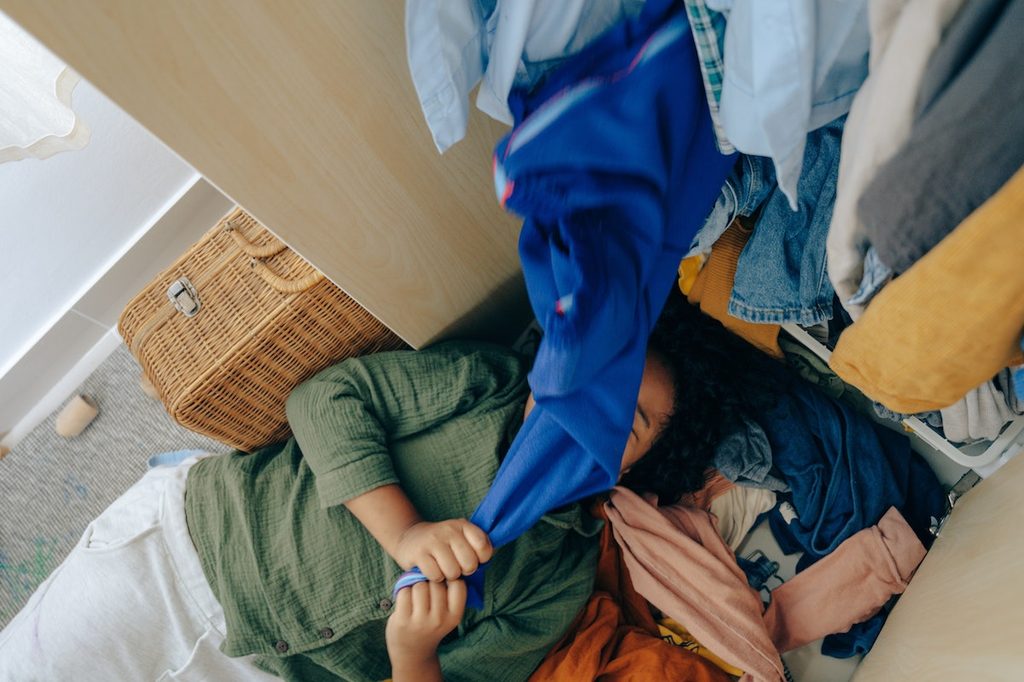
Your closet is the perfect place to begin. Evaluate your clothing piece by piece and ask yourself: Do I wear this regularly? Does it fit, and do I love it? If the answer is no, it’s time to let it go.
Don’t forget about shoe racks, coat closets, and seasonal clothing bins. Purging these areas will help you reclaim valuable space while ensuring you’re only keeping items you genuinely enjoy wearing. Donate gently used pieces or recycle damaged ones to reduce waste.
2. Move on to large items
After tackling your wardrobe, shift focus to larger household items like furniture. Take a critical look at end tables, shelves, or desks that aren’t serving a purpose or are rarely used.
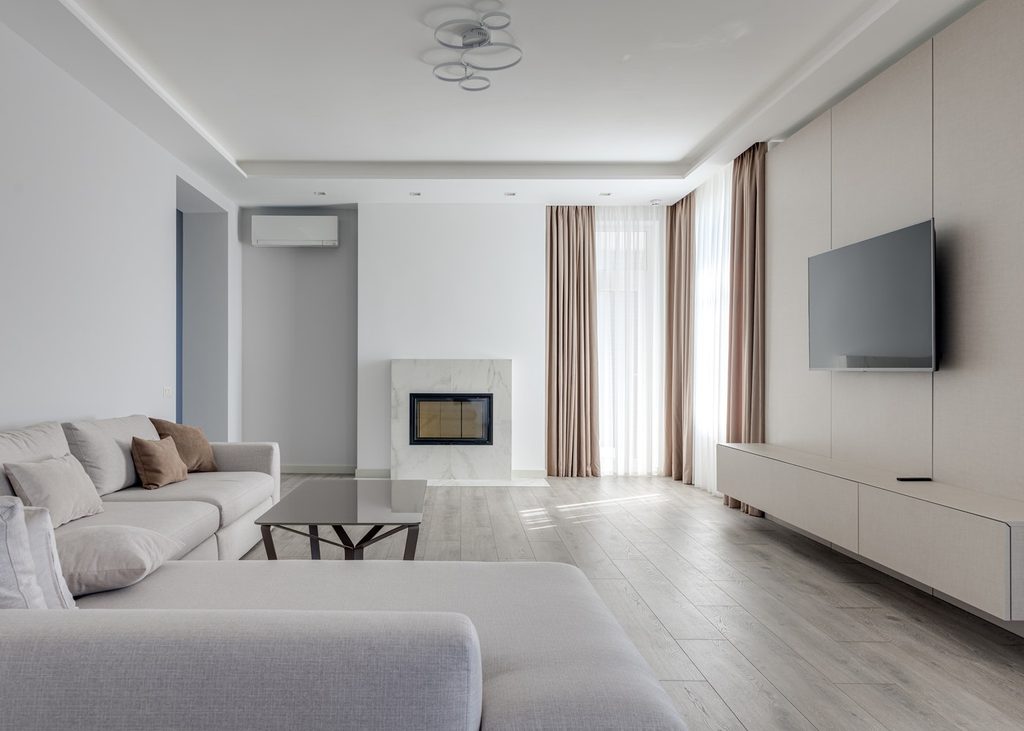
Could someone else benefit from these items? Donate functional pieces to local charities or sell them online to recover some value. Clearing out unnecessary furniture will give your home a more minimalist feel and make it feel more open and inviting.
3. Dig into smaller areas
Once the big-ticket items are addressed, turn your attention to smaller but often-overlooked spaces. Overflowing kitchen cabinets, junk bins, linen closets, and desk drawers are notorious for collecting clutter. Sort through these areas methodically, discarding expired pantry items, worn-out linens, and outdated paperwork.
Holiday decor bins and filing boxes can also be culprits of excess — so take the time to pare them down, keeping only what’s meaningful or useful.
4. Clean out your storage areas
Storage spaces like basements, attics, and storage units are magnets for forgotten items. Dig through these areas and ask yourself: Why am I keeping this?
Let go of damaged, unused, or dated items. Keeping your storage spaces tidy not only prevents them from becoming overwhelming, but also ensures that what you store is truly worth holding onto.
5. Go through outdoor spaces
Garages and sheds can become cluttered with tools, lawn equipment, and recreational gear you no longer use. Evaluate these spaces with the same scrutiny as your indoor areas.
If you haven’t used a tool, lawnmower, or bike in years, consider selling or donating it. By decluttering outdoor spaces, you’ll create a more functional and enjoyable environment.
6. Declutter your digital storage, too
Don’t forget your digital life! Swedish death cleaning can also apply to files, emails, and photos stored on your devices. Delete unnecessary files, organize your photo library, and back up important documents.
Clearing your digital clutter reduces stress and ensures your loved ones won’t have to navigate a chaotic digital trail in the future.
Addressing fears and misconceptions

It’s natural to feel hesitant about decluttering — especially if you’re worried about letting go of items that are valuable or might be useful someday. But Swedish death cleaning isn’t about throwing everything away. Instead, it’s an opportunity to thoughtfully decide what stays and what goes. You can pass sentimental items to family members who would appreciate them or sell belongings to recover value. Remember, the process is about freeing yourself from excess while ensuring that what remains adds meaning to your life.
Swedish death cleaning is more than a cleaning trend — it’s a lifestyle shift that helps you declutter your home and simplify your life. Whether you’re ready to tackle your wardrobe, clear out your garage, or tidy up your digital files, Swedish death cleaning encourages mindfulness and intentionality in how you live and what you keep. By letting go of unnecessary belongings, you’ll create a more peaceful environment for yourself and reduce the burden on your loved ones in the future.


