Trying to make a healthy dinner for your family but feeling a bit pressed for time? Stir-fry to the rescue! One of the fastest, easiest, and tastiest meals you’ll ever make, stir-fry is also versatile; you can find a bounty of stir-fry recipes for meat lovers and vegetarians alike. Mix and match whatever vegetables you have on hand, add some protein (if that’s your thing), along with a few spices or sauces for flavor. Toss everything into a wok or skillet, and you can have dinner on the table in 30 minutes or less. And, since everything cooks in one pan, there’s less cleanup and more time after dinner to spend with the family.
We’ve pulled together some of our favorite stir-fry recipes — no fancy ingredients required (most use items you should already have on hand), including a variety of options to suit even the most discriminating eaters in your family. As a bonus, these delicious stir-fry recipes are a sneaky way to get your kids to eat more veggies. These easy stir-fry recipes offer a ton of flavor, without a lot of effort, time, or mess, so give them a try!
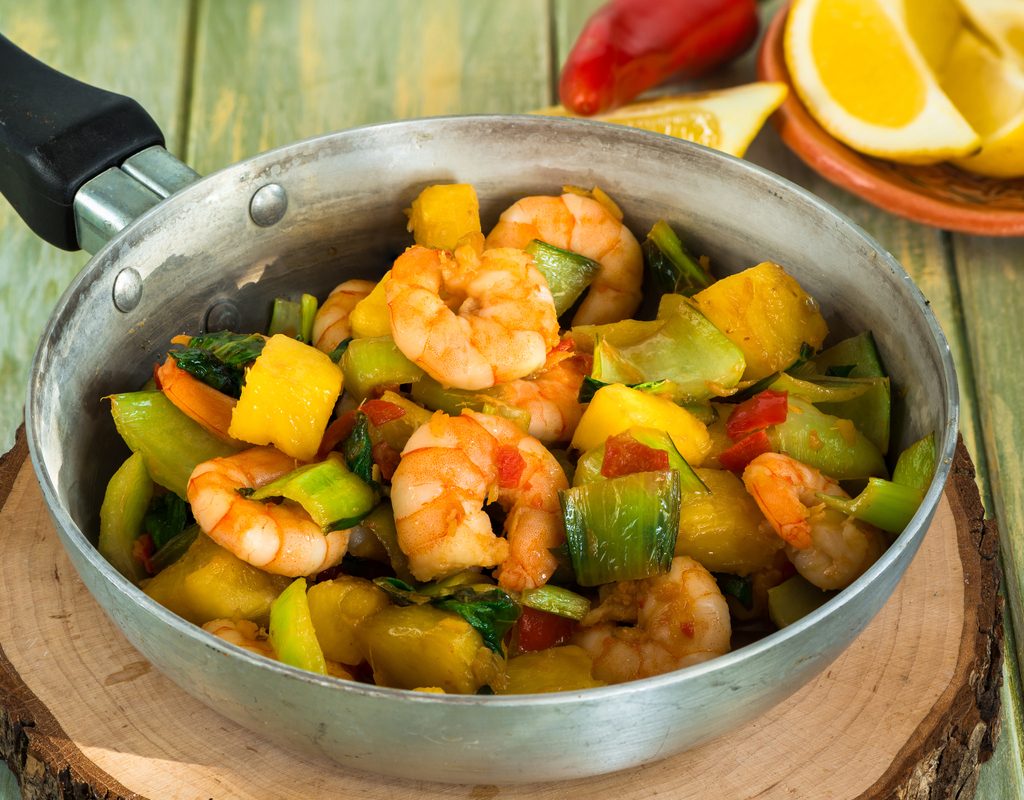
Stir-fry recipes that go from skillet to plate in under 30 minutes
Easy shrimp stir-fry with green pepper, pineapple & bacon
A tiny bit of bacon adds tons of smoky flavor to the veggies and shrimp in this sweet ’n’ spicy shrimp and veggie stir-fry. In just 20 minutes you’ll have a flavorful and filling meal with just 180 calories and a full 21 grams of protein per serving.
Tip: You can help manage the salt by using reduced-sodium tamari sauce.
Spicy orange beef & broccoli stir-fry
This healthy beef stir-fry features fresh broccoli, ginger, bell peppers, and tangy fresh citrus to give you a meal that’s destined to become a new family weeknight favorite. Plus, it’s ready in 30 minutes and boasts just 238 calories per serving.
Tip: Try freezing the beef sirloin for about 30 minutes to make it easier to cut into thin slices before stir-frying.
Chicken stir-fry
The quintessential stir-fry recipe, this chicken classic is bound to become a staple in your home. It’s so easy to make and you can use whatever veggies you have on hand. No matter how you change up the ingredients, it will always be fabulous. The garlic ginger soy sauce with honey creates the perfect blend of sweet and savory goodness.
Spicy pork & green bean stir-fry
The Sichuan peppercorns — which are actually a dried berry husk — give this lip-tingling stir-fry a slightly woodsy flavor followed by a slow-burning heat. Ready in just 20 minutes, this home-cooked creation is better than any takeout you could order.
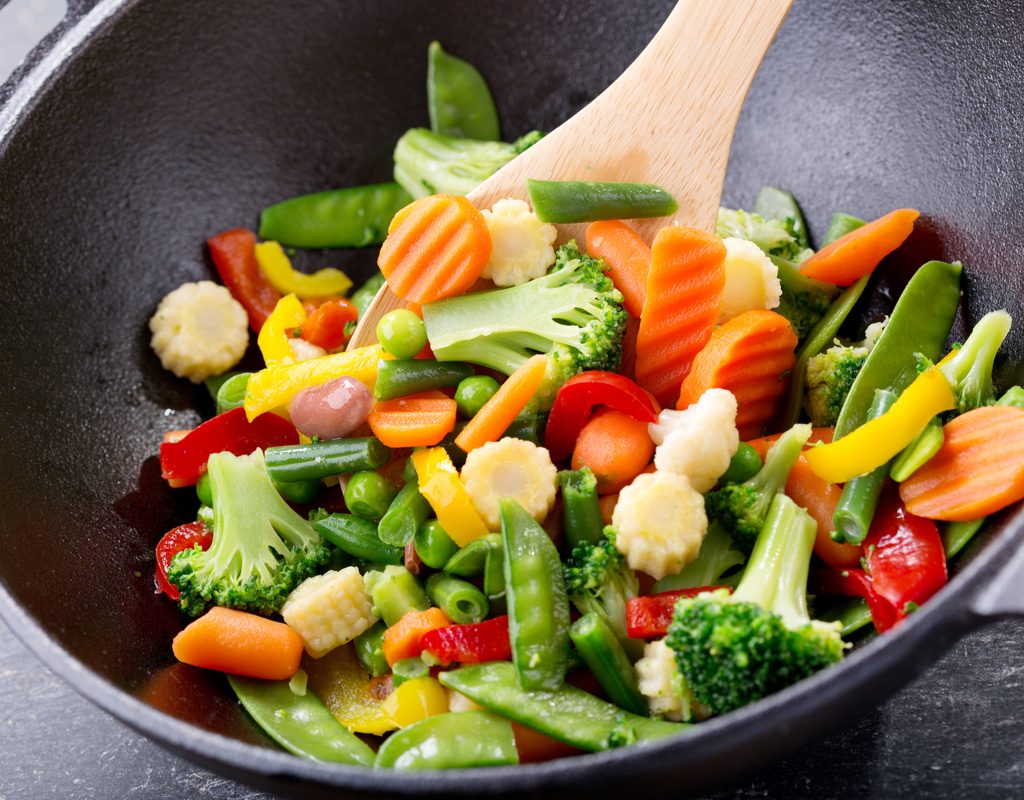
No meat? No problem! These stir-fry recipes are vegetarian delights
Ginger vegetable stir-fry
A bed of brown rice can take this simple vegetable mix of baby corn, pea pods, and water chestnuts and make it filling enough to be a main course. The soy-and-ginger sauce adds a distinctive Asian flavor, and at just 56 calories per serving, you can feel free to have a second helping.
Garlicky Swiss chard and chickpea stir-fry
A perfect side dish, this seasonal salad is hearty enough to be elevated to main course status. Fresh and satisfying flavors, plus raisins, nuts, and fresh herbs take a simple salad to a whole new level. With 15 minutes of prep time and about 20 minutes in your wok or skillet, this nutrient-rich, super-tasty meal is one everyone is going to love!
Cashew satay spiralized vegetable stir-fry — vegan and paleo
No need for a bed of rice, this paleo and vegan-friendly spicy cashew stir-fry is made with spiralized vegetables for the carb-conscious eater in you. Made in just one pan in under 20 minutes, with a satay-style cashew sauce, it’s the perfect gluten-free vegetarian dinner and can even be made ahead for yummy meals all week long!
Cooking for your family doesn’t need to be stressful or time-consuming. When you learn how easy it is to make stir-fry at home, you’ll skip the takeout, eat healthier, and save money, too. Clear out your produce bin, grab a few staples from your pantry, and get ready to wow your family with our Asian-inspired delights.


