No matter where you live, barbecue season is always a reason to rejoice. For some, it means gathering with friends and family to enjoy dining outdoors and, of course, the incredible barbecue smells and flavors. For others who consider themselves a pro, barbecuing is a serious and competitive experience. If you are a novice looking to become more serious about all things grilling, there are some basic guidelines that will help turn you into the barbecue king or queen of the neighborhood.
Forget dried-out hockey puck hamburgers or scary, pink-in-the-middle chicken. With these tips for grilling, you can take your barbecue game to the next level.
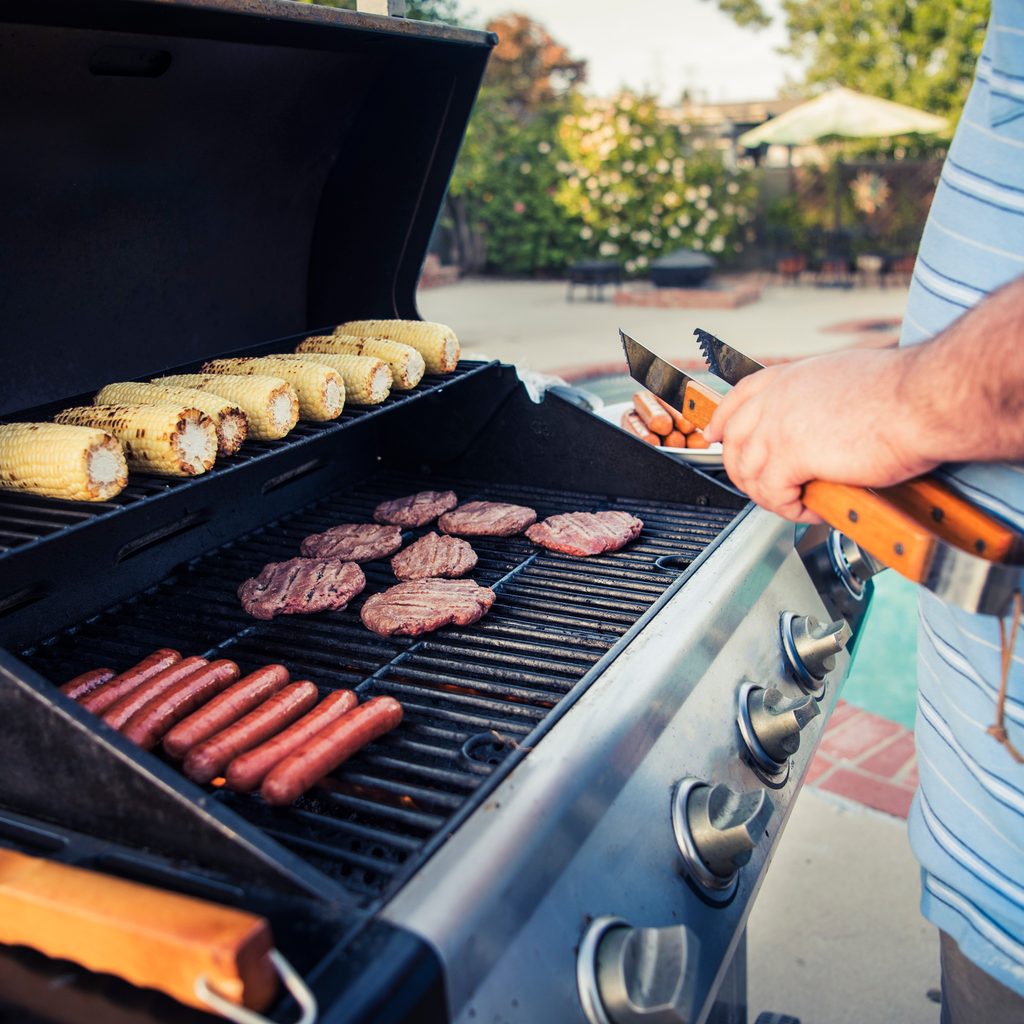
Barbecue tips for your grill
Make sure your grill is hot before adding food
Placing food on a hot grill adds a nice sear to the outside of the food while keeping the center juicy. In addition, a hot grill will prevent food from sticking and will help kill any bacteria that might be on or in your food.
Always heat the grill with the lid closed to speed up the heating process. It should take about 10 to 15 minutes to reach the desired temperature for grilling.
Different foods should be cooked at different temperatures, so check a grilling guide before determining your target grill temperature.
- Low heat – grill should register between 250°F and 300°F
- Medium heat – grill should register between 300°F and 350°F
- Medium-high heat – grill should register between 350°F and 400°F
- High heat – grill should register between 400°F and 450°F
Oil your grill grates
Lean meats have a tendency to stick to the grill. You can help prevent that sticking by adding a bit of oil to the grill grates. Resist the urge to use cooking spray, as it can cause flare-ups. Here are three methods to grease up your grill:
- Pour a bit of vegetable oil onto a paper towel, and then hold it with tongs to safely rub the oil onto the grill grates.
- Skip the oil and use a piece of non-stick, grill-safe foil on the grill and place the food directly onto the foil. Believe it or not, you’ll still get grill marks on your food.
- Cut a potato in half and rub the cut side of the potato on the hot grates to turn your grill into a non-stick grill the natural way
Use a grill basket
Cooking smaller foods on the grill? A grill basket will help prevent shrimp or diced veggies or fruit from slipping through the grates and causing flare-ups. Be sure to grease the inside of the basket if the food you are grilling has not already been tossed in oil.
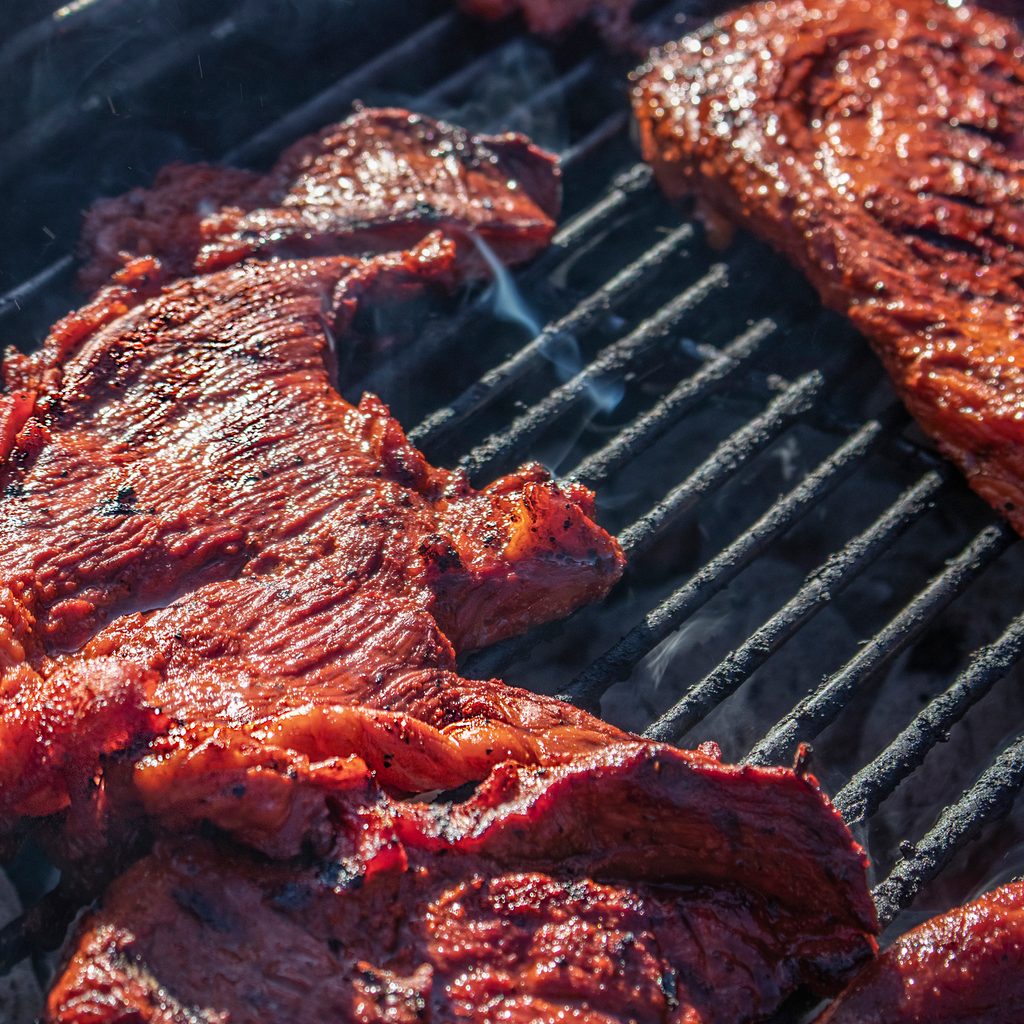
Tips for grilling that will make you a grilling pro
Pick good meat
If you want to barbecue like a pro, start by choosing the right meat. If you’re unsure which meats are best for the barbecue, this guide should help you make good choices. Also, check with guests in advance of your barbecue and offer vegetarian options if needed.
Season foods before grilling
Don’t wait to season meats until after they’re grilled. If you want to add extra flavor or spices to your meats, season them before grilling. It can be as simple as salt and pepper or as adventurous as a spicy Cajun rub. By experimenting with different seasonings and combinations, you’ll discover the flavor combinations that make your taste buds happy.
Resist the urge to press meat onto the grill
You might be tempted to push down on your meat for better contact with the grill grates, but don’t. Pressing the meat down during the grilling process actually depletes the meat of flavor. Let it cook all the way through, undisturbed, and you’ll be very pleased with the results.
Remember to flip the meat (but just once)
It’s said that we eat first with our eyes, so you’ll want to make sure those lovely grill marks are on both sides of your food. Only flip the food once during the cooking process; moving it around the grill can add to the cooking time and result in unevenly cooked meat.
Don’t move food around, and don’t open the lid on the grill
You’re only flipping once, so other than that, the grill lid should remain closed. A closed lid keeps your grill hot enough to give food a good sear. It also speeds up the cooking process, keeps food from drying out, and even prevents flare-ups by limiting the oxygen flow to the grill.
Keep an eye on the cooking progress
A watched pot doesn’t boil, but watched meats grill a whole lot better. One of the worst things you can do to grilled foods is overcook your meat (and when using a gas grill, that can happen more times than you think). On the flip side, undercooking may pose health risks to you and your barbecue guests.
The trick is to stay close by the grill and monitor the cooking process to ensure perfectly cooked meats. If you’re concerned about the ‘doneness’ of your meats, use a meat thermometer to check and follow sensible meat safety serving temperature guides. Buy at Amazon is a great one — it’s affordable, waterproof, and delivers accurate temperatures in a matter of seconds.
Allow meat to rest after coming off the grill
Don’t rush perfection. Depending on the meat, you should allow 5 to 15 minutes between the time it comes off the grill and when you slice it. Resting meat gives the juices a chance to redistribute throughout the meat for juicier results. Prevent the meat from getting cold by tenting with a piece of foil while it is resting.
If you follow our simple tips and tricks, you’ll be able to master your next backyard barbecue and become the go-to for the whole neighborhood.