For many, beef is a mealtime staple and one to look forward to after working a long day. From burgers on the grill to roasts in the oven, sizzling steaks to hearty stews, there are so many different cuts of beef and so many interesting ways to prepare it.
When it comes to slow cooking, beef cheeks are the meat to choose! A relatively inexpensive cut of meat, beef cheek meat needs a little extra time to cook, but the end result will be well worth the effort. Slow cooking coaxes out all the wonderful flavor and will make the beef so juicy and tender, you can practically cut it with a fork.
Often overlooked in the meat aisle of your grocery store, beef cheeks have an undeserved reputation as being one of the tougher cuts of beef, but it’s really how you cook it that makes all the difference. This is the best way to cook beef cheeks so they’re tender and tasty!
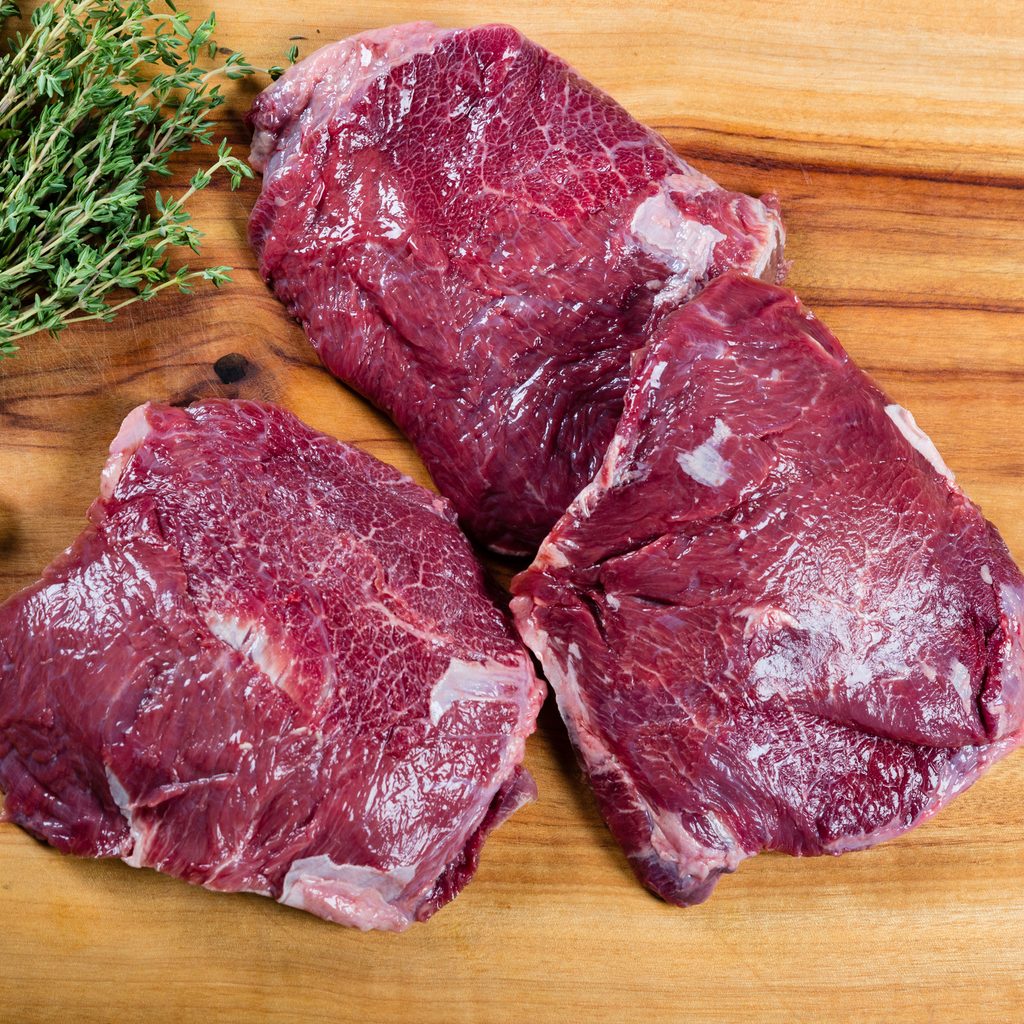
Beef cheek tips for beginners
What is beef cheek meat?
As the name implies, beef cheeks come from the facial muscle of a cow. One of the hardest working muscles, beef cheeks are inherently a tougher cut of meat, making it perfect for slow cooking. The connective tissue, called collagen, will break down if cooked slowly, becoming slightly gelatinous for a melt-in-your-mouth tenderness you won’t find in any other cut of beef. Packed with rich, savory flavor, beef cheeks may not be as commonly known as other cuts of beef, but they are definitely among the tastiest.
Are beef cheeks healthy?
Beef cheeks are unique in that they are both lean and tender. With most other cuts of beef, you’ll need to decide between lean but dry or tender but fatty. However, with beef cheeks, you get the best of both worlds: lean and tender.
The best way to cook beef cheek meat
Provided it’s cooked in liquid and given plenty of time to cook, you are virtually guaranteed to be pleased with the end results of any beef cheek recipe. They work well in so many different types of dishes: as a filling for tortillas, as a delicious (and much cheaper) replacement for short ribs, or slow-cooked in a savory sauce with a side of mashed potatoes or polenta.
For best results, it’s crucial to trim off any excess fat or sinew around the beef before cooking. Beef cheeks are pretty large, so when deciding on how many to prepare, plan on one beef cheek per person.
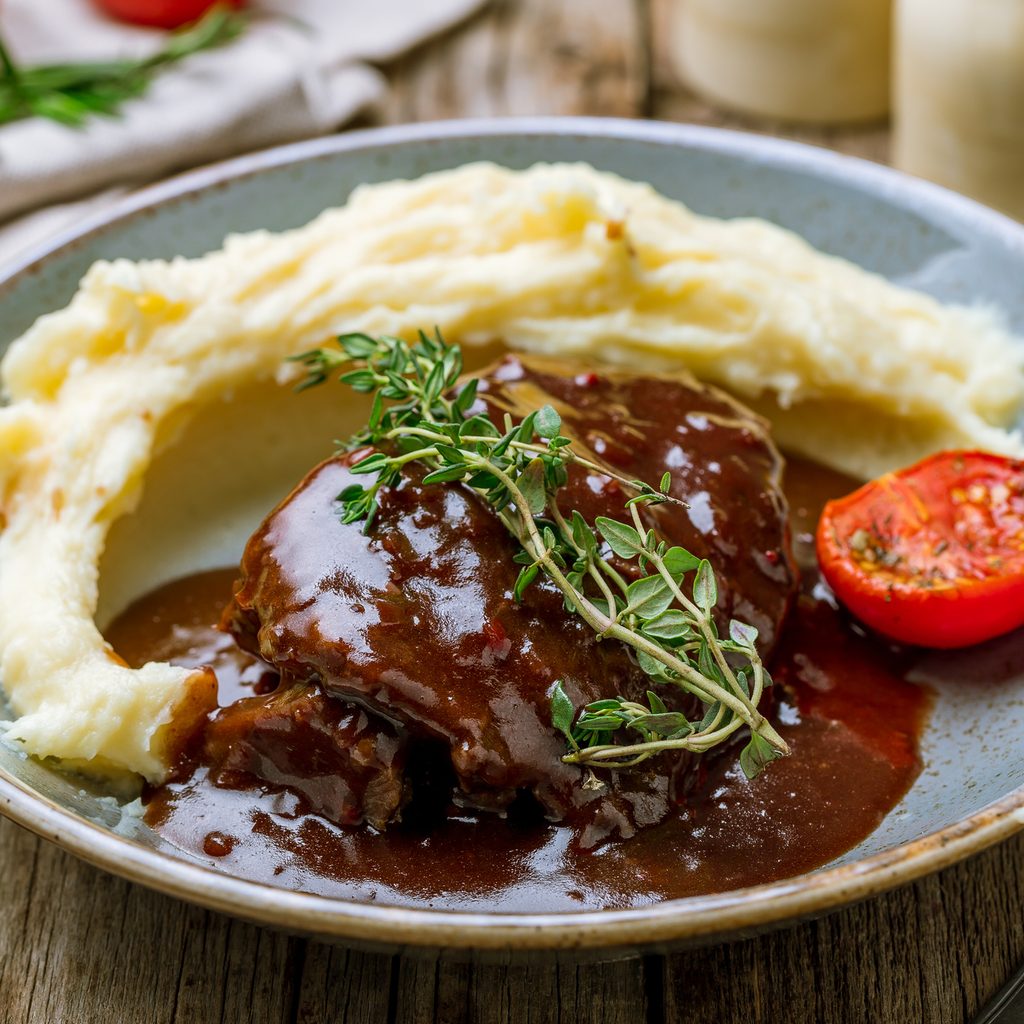
5 delicious beef cheeks recipes to try
Slow-cooked beef cheeks in red wine sauce
Braised in a rich red wine sauce, this beef cheeks recipe will end up so tender, you will literally be able to eat it with a spoon. It’s special enough for an elegant dinner party but surprisingly easy to make. Toss the ingredients into your slow cooker or pressure cooker, or on the stove, and count down the hours until it’s done. Puree the braising liquid, and it transforms into a lusciously thick and flavor-rich gravy.
Beef cheek ragù
This delicious take on beef cheeks by renowned chef Jamie Oliver includes the unexpected aromatic flavors of cinnamon and cloves paired with smoked pancetta, earthy porcini mushrooms, and plenty of Italian red wine. Cook nice and slow — about four hours — and serve with mashed potatoes or creamy polenta and warm and crusty bread. Or toss it with some freshly cooked pasta.
Cheeky beef cheeks in red chili & coconut curry
This is the perfect recipe if you’re a novice at cooking with beef cheeks. The curry is fresh, creamy, and flavor-packed, the vegetables are cooked until just tender, and the whole dish is finished with a sprinkling of chopped coriander, crispy lime leaves, and lime wedge slices for a final burst of freshness.
Texas-style smoked beef cheeks
The beef cheeks in this recipe get a thin coating of mustard and a dry brisket rub and then slowly smoke for about five hours. Next, you build a tasty smoked beef cheek sandwich with brioche buns, mustard, BBQ sauce, and dill pickles. In a word: mouthwatering.
Instant Pot beef cheeks
Slow and steady is the rule of thumb in coaxing out the best flavor and tenderness of beef cheeks; however, if you’re craving beef cheeks but don’t have four or five hours to dedicate to the cooking process, what can you do? The answer lies in your Instant Pot. When you prepare beef cheeks in your Instant Pot, you cut a four- to five-hour slow-cook process down to less than an hour and still get the same melt-in-your-mouth results.
If you’re looking for a new way to enjoy cooking with and eating beef, you need to try beef cheeks. They are wonderfully flavorful and the most tender beef you’ll ever eat. Once you master the cooking method of beef cheeks, it may become your new go-to beef of choice.


