
People love avocado toast for several reasons. First, it’s a filling breakfast or snack. Avocado is a fruit categorized as a fat — but it’s a good fat — and fat takes the body longer to digest, which in turn keeps you full longer. Second, avocados are good for you! The good fats in avocados can reduce your risk of heart attack or stroke and reduce the risk of macular degeneration. Whether you consume avocado toast regularly or are just getting into the delicious world of avocado toast, we have a recipe that will be the last one you ever look up.
One of the best parts about avocado toast is that it is so versatile. Once you get the basic formula down, you can add or modify the recipe to suit your needs. Whether it’s adding a poached egg for a more complete breakfast or piling smoked salmon on top for a well-rounded lunch, the possibilities are endless. You can even turn the dish into a festive appetizer that everyone will love the next time you have to bring a dish to a party.
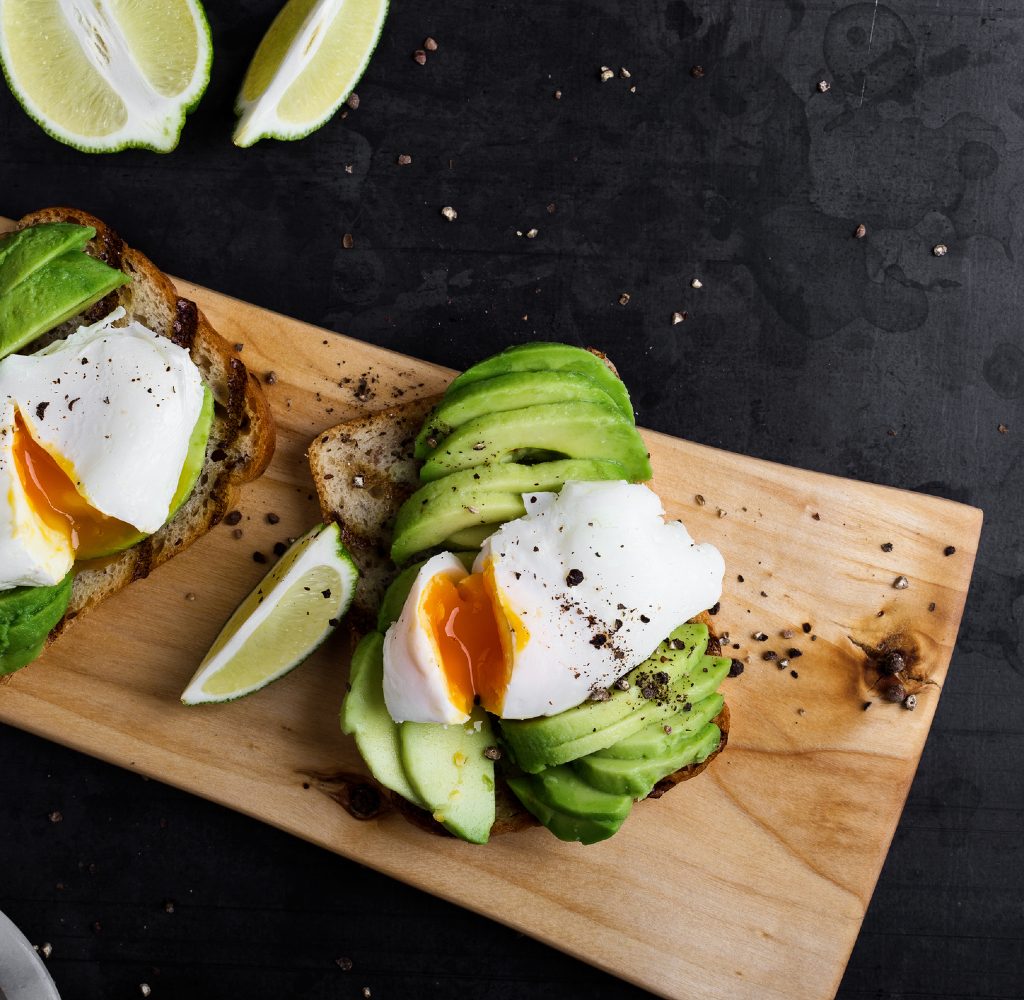
This recipe from cookinglight.com is delicious and super simple to prep. You won’t find any truffles or lobster in this recipe since this version is meant to be a base recipe. However, this recipe will stand alone without any additions, and you can be enjoying it in under five minutes.
Ingredients
- 1/2 of a small avocado (ripe but still firm)
- 1/2 teaspoon fresh lemon (or lime) juice
- 1/8 teaspoon Kosher salt
- 1/8 teaspoon freshly ground black pepper
- One slice of whole-grain bread, toasted
- ½ teaspoon extra-virgin olive oil
- Recommended toppings: Maldon sea salt flakes and red pepper flakes
Steps
- Combine avocado, lemon juice, salt, and pepper in a small bowl. Mash gently with the back of a fork to combine.
- Top the toasted bread with the mashed avocado mixture and drizzle with olive oil.
- Sprinkle with recommended toppings if desired.
Recommended variations
- Smoked salmon and diced red onions
- Sliced cucumbers and fresh dill
- Diced tomatoes and mozzarella tossed in balsamic vinegar or dressing
- Scrambled eggs with cheese or bacon (or both)
- A fried egg, sunny side up
- Everything seasoning
- Hot sauce
- Sliced tomato with basil pesto
- Arugula and goat cheese
- Homemade crab or lobster salad
The list could go on. Use your imagination and follow your taste buds to create your own variations. Just don’t go too crazy with how often you eat avocado toast — it is primarily fat and, although considered a good fat, can make you gain weight if you eat too much or too often. Hence, the recipe above is written for one serving, which is one piece of toast.
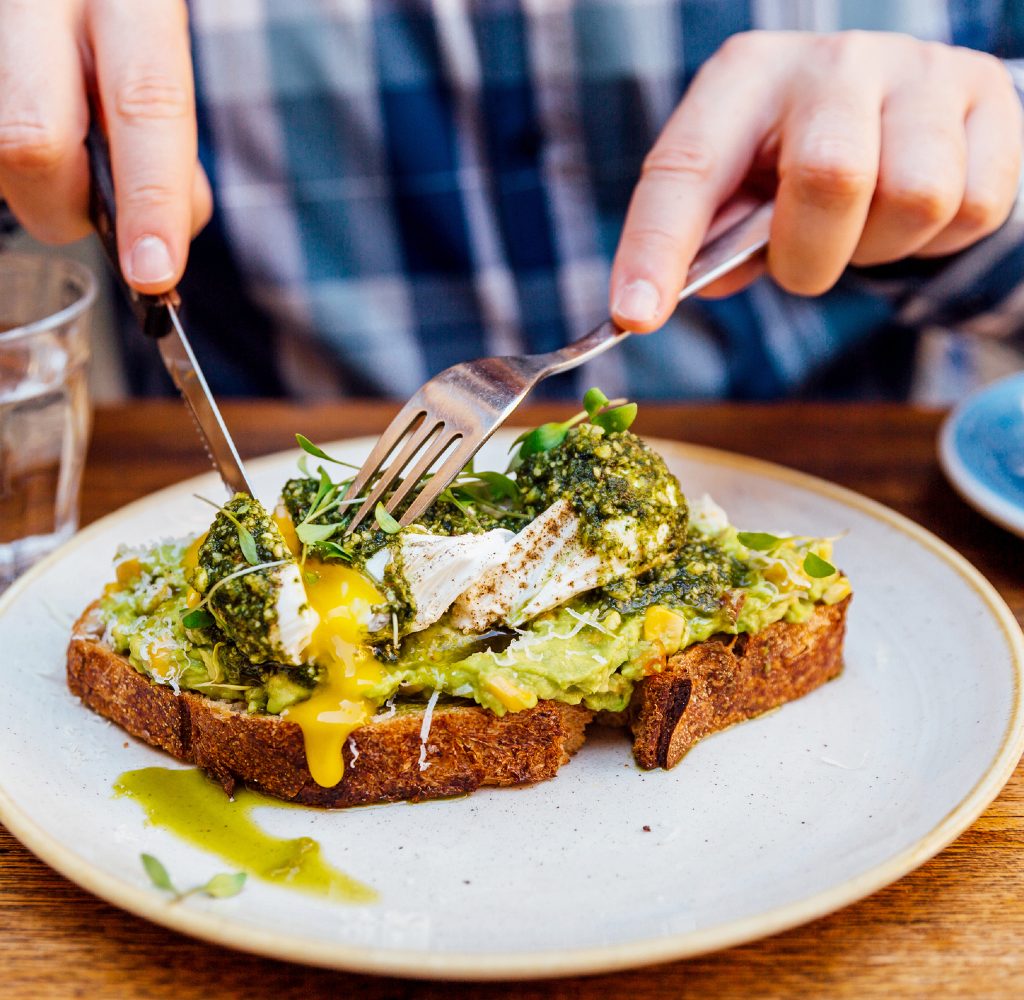
Whether you’ve been eating avocado toast for years or are just discovering the delicious dish, a good recipe is key. Once you get the basics of the recipe, which are super simple, you can branch out from there if you want. However, as with any good recipe, this one stands alone and doesn’t necessarily need anything else to make it great. Remember, choose a ripe avocado that is still firm, use high-quality olive oil, and flaky salt. With great base ingredients, you can have a tasty breakfast, snack, or appetizer in under five minutes and with just a few ingredients, most of which you likely already have on hand.