If you’re looking to elevate your garden’s aesthetic while providing support for your climbing plants, trellises are the perfect solution. From free-standing structures to wall-mounted designs, there’s a plethora of options to choose from. Let’s explore our favorite trellis ideas that will not only add charm to your outdoor space but also enhance the functionality of your garden.
Trellis ideas using repurposed materials

Repurposing old materials to make a trellis not only reduces waste but also adds a charming, rustic farmhouse appearance to your garden, infusing it with character and sustainability.
Old window frames
Repurposing old, distressed window frames as free-standing trellises is a creative way to breathe new life into discarded materials. You can arrange the frames to form a square shape or attach posts to the bottom for stability when placed in the ground. Not only does this idea add rustic charm to your garden, but it also serves as a sustainable option for upcycling old items.
Vintage fence posts
For a farmhouse-style trellis, consider using vintage fence posts. These weathered posts add character and nostalgia to your garden while providing sturdy support for climbing plants. Arrange them in a row or cluster for a charming focal point amid your blooms.
Wood pallets
Repurposing old wooden pallets into trellises is a budget-friendly and eco-friendly option for gardeners. The beams of pallets are the perfect size for climbing plants, making them an ideal material for constructing sturdy trellises. With a bit of creativity and DIY know-how, you can transform pallets into beautiful vertical gardens that showcase your favorite blooms.
Old ladders
Similar to wood pallets, old ladders offer a rustic charm when repurposed as trellises in the garden. The rungs of the ladder provide natural spacing for climbing plants, while the triangular shape offers stability and support. Whether leaning against a wall or free standing, an old ladder trellis adds vintage flair to your outdoor space.
Gorgeous free-standing trellis ideas
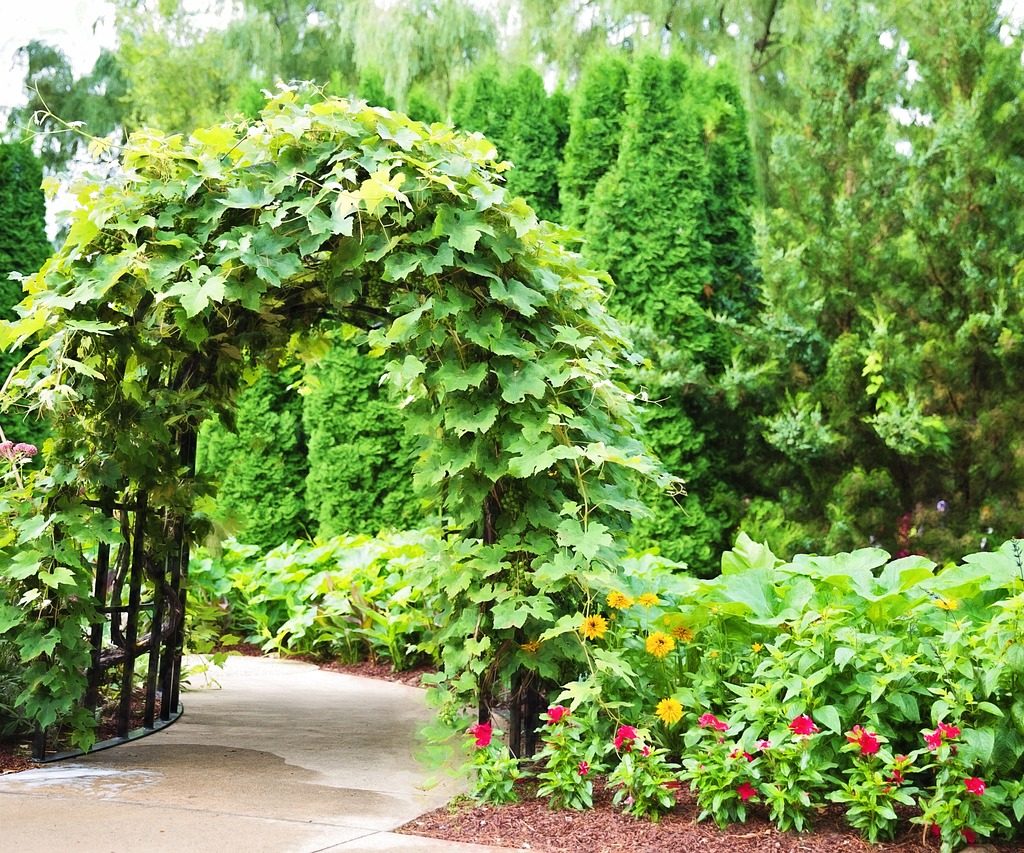
Free-standing trellises offer versatility and can be placed anywhere in your garden, whether it’s a stand-alone plot or tucked against a wall. These structures provide ample support for climbing plants while adding visual interest to your outdoor oasis.
Garden pergola
A pergola not only adds architectural interest to your garden but also serves as a functional structure for climbing plants. You can customize the design to cover part or all of your garden, providing shade for cool-weather plants. Additionally, the pergola’s posts offer ample support for vines and other climbing flora, creating a lush green canopy.
Metal piping trellis
Constructing a free-standing trellis with metal pipes adds a modern touch to your garden landscape. However, it’s essential to ensure that your chosen climbing plants won’t react negatively to the metal material, such as copper. With proper consideration, a metal pipe trellis can be both stylish and durable, adding a contemporary flair to your outdoor space.
Garden stake trellis
Affordable and versatile, garden stakes are ideal for creating freestanding lattice or teepee-inspired trellises in your garden. Whether using old or new stakes, these structures provide excellent support for climbing plants while allowing for easy customization of shapes and sizes. Get creative with your arrangements to design a unique trellis that complements your garden’s aesthetic.
Tree branch ladder
Repurposing fallen tree branches to create a rustic-style trellis is affordable and environmentally friendly. By lashing branches together, you can construct a sturdy structure that provides support for climbing plants. This DIY trellis adds a touch of natural beauty and coziness to your garden while reducing waste by using materials found on your property.
Bamboo teepee
Bamboo is a trendy and renewable material that’s perfect for constructing DIY trellises in the garden. Its natural strength and water-resistant properties make it an excellent choice for outdoor use. By arranging bamboo poles in a teepee shape, you can create a stylish and sustainable trellis that enhances the beauty of your climbing plants.
Arched trellis
Creating an archway above your garden plot adds elegance and vertical interest to your outdoor space. Whether using metal for a contemporary look, wood for a farmhouse style, or large tree branches for a rustic appeal, an arched trellis provides a stunning backdrop for climbing plants. This architectural feature not only adds visual drama but also maximizes growing space in your garden.
Easy and adorable wall trellis ideas

Wall trellises are perfect for adding vertical interest to garden beds that are directly adjacent to structures or for brightening up empty outdoor walls, such as those on garages or sheds. These space-saving designs offer support for climbing plants while adding decorative flair to your outdoor living space.
Thin wood boards
Constructing a lattice out of thin wood planks allows climbing plants to easily ascend outdoor walls, transforming them into living works of art. Cedar, fir, or other durable woods are ideal for this purpose, providing a sturdy framework for ivy and other climbers to thrive. Attach the boards securely to the wall to create a charming backdrop for your garden.
Wall of wires
A simple and cost-effective wall trellis can be fashioned from chicken wire or other types of wiring. Arrange the wire in an aesthetically pleasing pattern and secure it to the wall to create a minimalist yet effective support system for climbing plants. This DIY solution is perfect for adding greenery to vertical spaces with ease.
Branches and twine
For a rustic farmhouse vibe, create a wall trellis using tree branches and twine. Fashion a frame from branches and weave twine between them to form a lattice-like structure. When hung on a wall, this DIY trellis adds texture and charm to your outdoor space, providing a natural backdrop for climbing plants.
Chevron lattice
Add a touch of modern flair to your outdoor walls with a chic chevron lattice trellis. Using wood or other materials, create a geometric pattern that adds visual interest and style to your garden. This contemporary design complements a variety of outdoor aesthetics, making it a versatile choice for vertical gardening.
Metal fencing
Quick, easy, and affordable, securing old metal fencing or chicken wire to an outdoor wall creates an instant trellis for climbing plants. Attach the fencing securely to the wall, ensuring it provides ample support for your chosen flora. This no-fuss solution is perfect for gardeners looking to add vertical greenery to their outdoor space with no elaborate construction.
Transforming your yard or garden with these beautiful trellis ideas not only enhances the aesthetic appeal of your outdoor space, but also provides practical support for climbing plants. Whether you opt for free-standing structures or wall-mounted designs, there are endless possibilities to suit your garden’s style and needs. Get creative with materials, shapes, and arrangements to create trellises that elevate your garden to new heights of beauty and functionality. With these inspiring ideas, you’ll soon have a garden that’s the envy of the neighborhood.