Attention home gardeners, bakers, and cooks — squash season is right around the corner! With the harvest of these gourds comes a plethora of culinary options, not to mention all the festive, seasonal decorations. During the crisp fall months, menus are filled with pumpkin pies, butternut squash soup, and roasted spaghetti squash in tomato sauce. Top off your dinner table with a freshly carved jack-o-lantern, and you’ve set a table truly worthy of the season.
Understanding the different kinds of squash
Because of their silky texture and mild, nutty flavor, many mistakenly think that squashes are vegetables. However, since they contain seeds and come from the flowering part of the plant, they’re actually fruits, just like tomatoes, eggplants, and cucumbers.
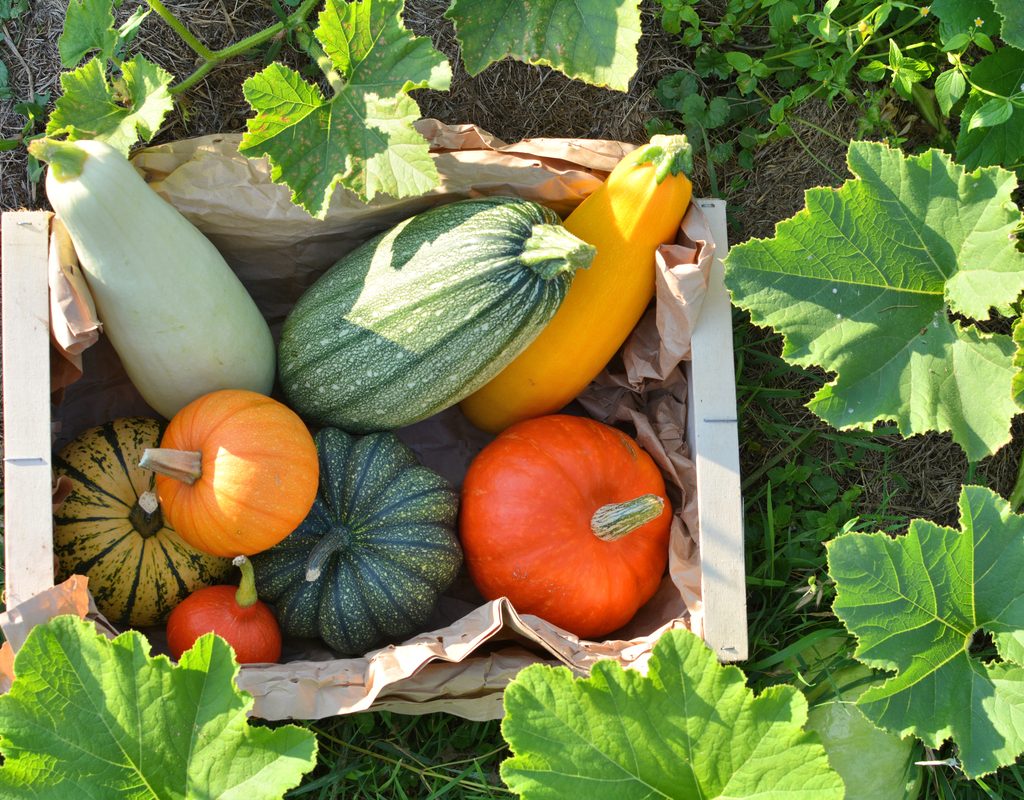
There are over 100 different kinds of squash categorized into two categories: summer squash and winter squash. Soft-shelled ingredients like zucchini belong to the former group, while classic fall gourds like pumpkins, butternut squash, and acorn squash fit the latter. When growing winter squash, make sure to give them plenty of room to stretch, as their vines can sprawl up to 15 feet in every direction. To conserve space, you can actually train them to grow up a fence or along a trellis.
When harvest season is rolling in, look out for these telltale signs that your winter squashes are ready ripe:
- You are not able to pierce the rind with your thumbnail
- The vines and leaves have withered
- The first frost has passed
6 Squash varieties you need in your fall & winter garden
1. Acorn squash
Weighing between one to two pounds, this small acorn-shaped squash has a thick, dark green rind and orange-yellow flesh. Not as sweet as some of the other winter varieties, acorn squash has a mild, nutty flavor and is best when baked or stuffed, but it can also be roasted, steamed, sautéed, or even microwaved. Plus, the skin is edible and full of nutrients.
Once harvested, you can store acorn squash in a cool, dry place for a month.
2. Butternut squash
This pear-shaped squash has a creamy, tan rind, bright orange flesh, and fewer seeds than other winter squash varieties. To put this gourd on the menu, you can bake, sauté, or stew it to create butternut squash soup, a classic fall favorite.
Once harvested, butternut squash needs a few weeks of storage to really develop the flavor. Don’t worry about the freshness, though, because they can last for months in a cool, dry place.
3. Hubbard squash
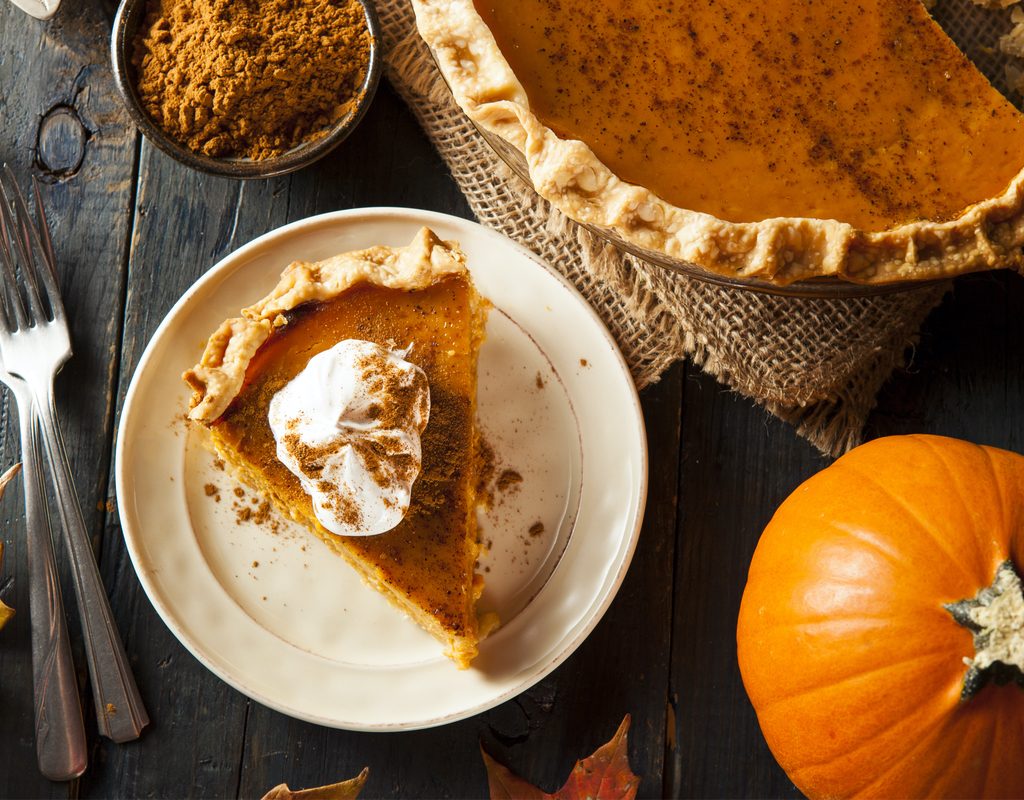
One of the largest varieties of winter squash, the Hubbard squash has a hard, firm, bumpy exterior that can be deep green, bright orange, grey, or even aqua-blue. The sweet orange flesh is sweeter than a pumpkin’s and is ideal for cooking and baking — especially for making pies.
Since this squash can grow up to 15 pounds, you’ll often find it sold pre-cut at the grocery store or farmer’s market. However, if you’re growing it in your own garden you can enjoy the full gourd in all its glory.
4. Kabocha squash
This Japanese varietal is squat and round with a flavor that’s similar to sweet potatoes. It has dark green skin with a dull finish and bright yellow-orange flesh that is very sweet. tasting like a cross between sweet potato and pumpkin. Use this squash as an alternative for almost any other winter squash as a pie filling or soup ingredient, or enjoy it roasted or steamed for a comforting side dish.
5. Pumpkin squash
While some varieties are grown primarily for carving, others are sweet as pie. Generally, the pumpkins that you cook with are smaller than the ones that adorn doorsteps around Halloween. This includes sugar pumpkins, sweet pumpkins, cheese pumpkins, and heirloom pumpkins. The large decorative pumpkins are typically dry and pretty flavorless, but you can still roast and salt the seeds for a delicious, crunchy snack.
6. Spaghetti squash
These oblong-shaped golden yellow squash have stringy flesh that you can scrape out with a fork after cooking to create spaghetti-like strands. In fact, many people use this squash as a low-carb pasta substitute. Although it doesn’t actually taste like spaghetti, it has a very mild flavor that pairs perfectly with sauces, and unlike many other winter squash varieties, this one isn’t sweet. Once harvested, you can store spaghetti squash in a cool, dry place for about a month.
Decorative and delicious, winter squash is a wonderful addition to your garden and your autumn table. Easy to grow, easy to harvest, and easy to cook, these versatile fruits provide all the beauty and nutrition that every autumnal garden needs.