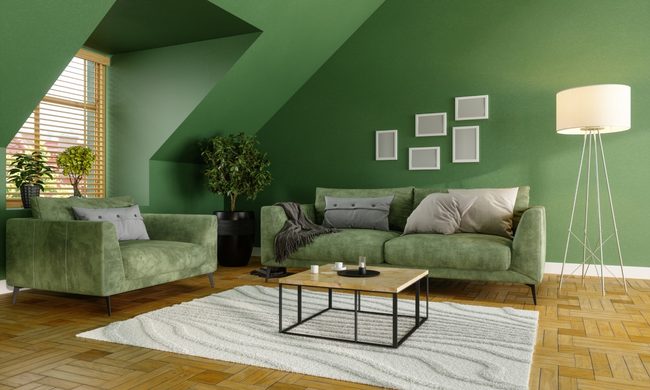
Before all of the shopping, get-togethers, and crazy holiday festivities begin, you might be considering a deep clean of your home. Cleaning your house before the holiday season sets in can save you time, money, and stress. It’s also a great way to refresh and replenish your home before you begin hosting any parties or events.
What is a good cleaning schedule?
When it comes to pre-holiday cleaning, you can never go wrong by adhering to a good cleaning schedule. Cleaning schedules are based on two things: Frequency of use and seasonal cleanings. Dishes, for example, get cleaned nearly every day in most households. On the other hand, the oven might receive a deep clean only four times a year.
A good cleaning schedule is one that suits your lifestyle but also encourages a healthy home and the elimination of dust and dirt buildup.
Larger items like your sofa, bed, and refrigerator should see monthly deep cleans to keep your home safe and fresh. Deep cleaning the inside of trash cans, the microwave, the tub and shower, and the inside of the oven can also be done monthly to prevent buildup.
Cleaning your AC system, windows, range hood filters, and drains can be an activity done seasonally depending on the frequency of use.
What areas of the home are cleaned least?
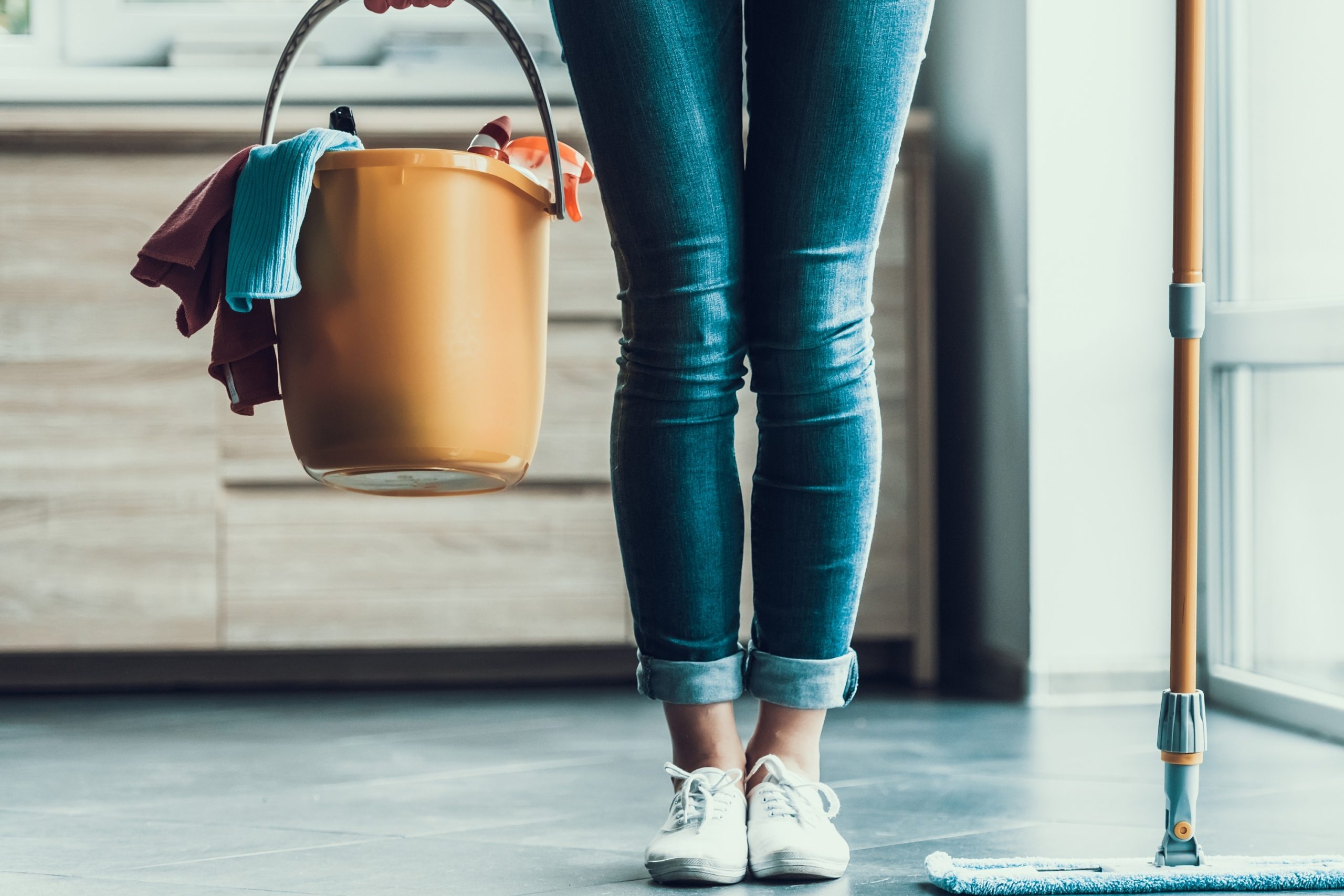
Shockingly, some of the least-cleaned areas of your home are some of the most frequently used spaces. Remote controls, doorknobs, kitchen handles, bath mats, and toothbrush holders are a few things that we use frequently but often forget to clean.
Also be sure to wipe down surfaces that people frequently touch. This includes light switches, buttons on appliances, doorknobs, handles, tech, and cabinets.
Wash your bath mats, towels, doormats, and small rugs as well to ensure your floor is safe and clean. Doormats, especially, require regular cleanings because they see a lot of foot traffic from all over.
Bath mats need to be cleaned frequently. Remember, they collect everything from water when you get out of the shower to when your shoes touch the surface before you leave the house. Bathrooms can get quite humid and become a breeding ground for bacteria, which is why it’s important to deep clean them often.
Cleaning furniture
Furniture can be challenging to thoroughly clean. Steamers, vacuums, and spray-on formulas are some of the cleaning tools that seem to work best for larger items that can’t be thrown into a washer.
When cleaning a couch, remove all of the cushions and vacuum underneath. You’d be surprised at all of the dust and dirt that can collect in these spots. The best solution is to hand vacuum and steam each cushion individually as well as the mainframe of the couch or sofa.
It’s best to wait until everything is dry (if using a spray-on formula or steamer) to prevent any musty smells or bacteria buildup.
Cleaning your bed requires a similar process. Once the mattress is steamed and cleaned, leave it to air out for a few hours before adding fresh sheets. To make mattress cleaning even easier, you can add a special mattress case to further protect your mattress from dead skin cells as sweat. Washing the mattress case in the washer and drying is also extremely efficient.
Deep cleaning carpet
When it comes to deep cleaning carpet, specialized vacuums that double as carpet cleaners can work wonders. This also goes for large rugs that can’t fit into the washer and dryer. While these carpet cleaners can be relatively expensive, they provide a quality clean and help to reduce the amount of dirt, dust, and bacteria in your home.
Cleaning your carpets should be a regular activity. It’s best to clean them at least monthly, if not more often since your carpets see a lot of foot traffic and activity in your home. It’s best to clean them as often as you can.
Also, you can join us as we discover the best carpet cleaner sprays.