The holidays are well on their way, and with them comes a flurry of baking, shopping, entertaining, and hosting. If your family or close friends live out of town, chances are you may be hosting an overnight guest or two in the coming weeks, adding another layer of stress on an already-stressful season.
But we are here to tell you that hosting overnight holiday guests doesn’t have to be cause for anxiety. All it takes to get it right is a bit of pre-planning, a few simple adjustments to your guest rooms, and an understanding that even with the best-laid plans, you should be prepared for the unexpected.
Make your home welcoming to overnight guests with this comprehensive holiday guest guide.

Plan now, so you can relax later
Get a headcount
Start by getting a headcount on how many guests to expect, when they will be arriving, and when they plan to depart. Knowing how many people you will be hosting, and for how many days, will help you plan for meals and sort out sleeping arrangements.
Clean the house
It’s crucial that you get your house in order before your guests arrive. While a spotless house would be ideal, you don’t need to overly stress yourself, and instead focus on the areas your guests will spend time in:
- Guest bedroom
- Guest bathroom
- Powder room
- Living areas
- Kitchen
If time permits, give each room a good cleaning the week before your guests are due to arrive and then do a quick tidying up the day before they arrive.
- Dust and polish furniture (that will make the house smell fresh and clean, too)
- Vacuum carpets
- Sweep wood and tile floors
- Wipe down toilets, sinks, and bathtubs
- Empty trash cans in the guest room and bathrooms
- Spray kitchen counters with cleanser and make sure that dishes are washed and put away
Laundry time
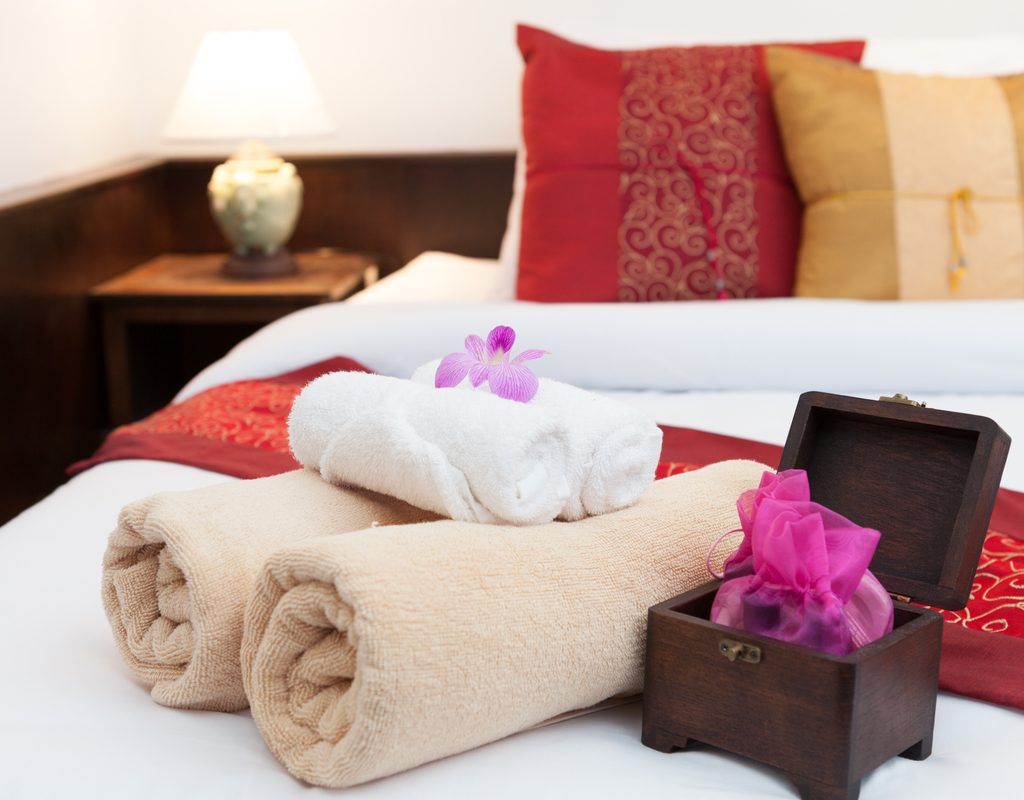
Wash the sheets and remake the beds with freshly laundered linens. Be sure your guests have plenty of clean towels at their disposal, both in the bathroom and in the linen closet. (Hint: now would be a good time to put out the “good” guest towels that you keep hidden all year.)
Food shop
You’ll have extra mouths to feed, so take a quick inventory of your pantry, fridge, and freezer and replenish as needed. Ask your guests if they have any specific food requests and, more importantly, if they have any food sensitivities or allergies that you should be aware of.
If you’re up for baking, make a batch of cookies or some muffins for snacking (or pick up a few goodies at your favorite bakery).
Add a few nightlights
Even if you don’t have any young children staying with you, you don’t want your guests to trip and fall while stumbling around in the dark in search of the bathroom. A few well-placed motion-activated night lights will help show them the way, and keep them safe, too.
Speaking of light… check that your outside lights are working properly to prevent trips and falls on their way to your front door.
Last-minute tips for having holiday guests
Place a box of tissues next to the bedside, along with a few magazines or family photo albums to flip through at night before bedtime.
Keep a stash of travel-size toiletries on hand, just in case your guests forget anything, and put them together in a basket in the guest bedroom or bathroom, including:
- Toothpaste
- Dental floss
- Mouthwash
- Shampoo/Conditioner
- Disposable razor
- Hand cream
Put a fresh bar of soap in the shower.
Add a few extra pump dispenser hand sanitizers around the house for added safety.
Be sure there’s a free outlet or two (preferably near the guest bed) for your guests to be able to charge their phones.
Make sure your guest bathroom has plenty of extra toilet paper rolls on hand, and that they are easily accessible on open shelves or in decorative baskets.
Stock up on disposable food-storage containers to send guests home with leftovers and baked goods when they depart. Disposable containers mean you won’t need to spend time hunting down your dishes in the days after the holidays.
Guests, particularly if they are family or close friends, may want to pitch in and help you, especially at mealtime. You should let them. You can spend time together preparing meals and it takes all the pressure off of you having to do it all. If they offer to help with dishes, too, why not? More help means more time you get to relax and enjoy being with your out-of-town guests.
Being surrounded by the people you love is what the holidays are all about and it makes it even more meaningful when they are people you don’t get to see or spend time with every day. Don’t let the stress of having guests make you miss out on enjoying this special time together. Follow our tips and get ready for a stress-free visit.


