  1. Home
  2. Hacks & How-to's
  3. Evergreens

The best fishing rod racks

Add as a preferred source on Google

That moment when you know a fish has latched onto your fishing rod is always as exciting as the first time you caught one. With a fishing rod rack, you can safeguard the equipment that accompanies you on those fishing trips, so you can continue to use and enjoy it for years to come.

Get your expensive rods off the ground and keep them organized effortlessly with a secure fishing rod rack. These functional pieces avoid damage to your rods while also helping you keep your gear easily accessible. You’ll even find yourself getting out there more often when you put your fishing rods on display for you and others to appreciate. Take a look at our selection of top fishing racks, so you can pick the right one for yourself.

Berkley Fishing Rod Rack

Best fishing rod rack overall

Image used with permission by copyright holder

Secure up to six rods in place with the foam grip pads of the Berkley Fishing Rod Rack. With a plastic design that is durable and lightweight, you never have to worry about corrosion. Place at your preferred height and adjust to your own needs.

Rack’em Overhead Fishing Rod Rack

Best ceiling fishing rod rack

Image used with permission by copyright holder

Perfect for indoor or outdoor use, the Rack’em Overhead Fishing Rod Rack is designed to hold all of your fishing rods regardless of size and style. Mount anywhere you’d like, for greatest convenience and organization with heavy-duty steel construction.

Rush Creek Creations Fishing Rod Rack

Best round fishing rod rack

Image used with permission by copyright holder

The Rush Creek Creations Fishing Rod Rack is an elegant, round fishing pole rack that stores 16 of your favorite rods. This handcrafted piece is a sturdy display made from durable wood grain laminate and can adjust to rods of various sizes.

Fishing rods are as functional as they are beautiful. Care for and protect your fishing rods from damage with a rod rack that matches your decor and lifestyle. With the items on our list, you can also display your fishing equipment beautifully and keep it handy for frequent use.

The Easiest Way to Set the Table
Cutlery, Fork, Spoon

Have you ever wondered why the fork sits on the left and the knife on the right? Or why Europeans eat “Continental style,” holding the fork in their left hand and the knife in their right, while Americans cut, switch hands, and then eat? It turns out there’s a reason for all of it, and once you understand the history, setting the table suddenly feels far less mysterious. Before beautifully layered place settings and Pinterest-worthy tablescapes, dining was far more practical. Medieval feasts were less about etiquette and more about survival. Plates were often shared, forks were nonexistent, and eating with your hands was the normal standard. Tables were filled with trenchers (pieces of bread used as plates), and the idea of “proper placement” simply didn’t exist.

By the mid-to-late 1800s (around 1860–1870), European dining evolved again as meals began to be served in courses. This shift introduced what became known as the Russian style of dining, where utensils were laid out intentionally and used from the outside in. The fork stayed in the left hand, the knife in the right, and the table itself began to reflect structure, rhythm, and order. This approach eventually became the “Continental style” still used across much of Europe today.

Read more
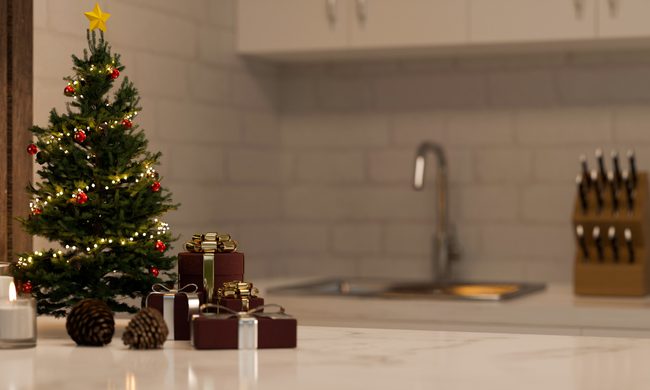
5 tips to de-clutter your kitchen for the holidays
kitchen holiday

'Tis the season for holiday gatherings, which means your kitchen needs to be organized to avoid unnecessary stress. Here are some handy tips to follow.

1. Refresh your fridge and freezer

Read more
Color Drenching: The bold hue movement that is sticking around in 2026
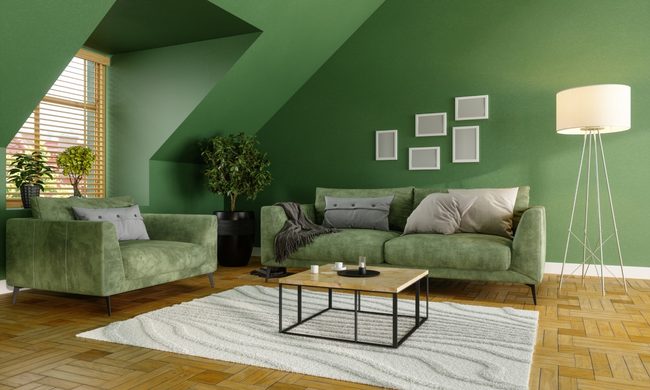
Green living room walls with velvet green sofas

What is color drenching?Color drenching is an interior design trend where a single color is used on every surface in a room. This includes walls, trim, doors, and even the ceiling, creating a cohesive and immersive atmosphere. The technique can make a small room feel larger or a spacious room feel cozier, and it often extends to furniture, radiators, and cabinetry for a bold, unified effect.

While the term color drenching is relatively new, the concept has deep roots in design history. The look can be traced to historic European interiors where monochromatic schemes added depth and luxury. Even in the Victorian era, richly saturated jewel tones were often used in grand spaces such as libraries and parlors. It reappeared during the 1960's and 1970's as well. Designers have long understood that a single, enveloping hue can create a striking sense of mood and continuity.

Read more