Painting your floors is one of the best and easiest ways to improve your interior design. Transform various surfaces like hardwood, tile, concrete, vinyl, and even subfloors with a few simple steps and essential tools. Try painting your floor instead of completely replacing it or repairing minor imperfections. Read through our comprehensive floor-painting guide before you make your big decision.

How to prepare your floor before painting
If you’re repainting your floor as part of a DIY home-improvement project, preparing in advance will ensure the best results. First, plan out your project schedule across different days. If you plan on taking a whole week off, great! You can also break up the project across several weekends, which makes sense if you’re tackling more than one room or if you’re working solo.
Second, you need to clear out the room and sweep, mop, or wipe down the floor as much as possible before sanding it down. Make sure the floor is completely dry before you do any work. A damp surface can discolor your paint or cause chipping later on.
Create a blueprint for patterned floors with painter’s tape. Stencils are also practical for mosaic-tile designs.
To prevent paint from getting onto your wainscoting or baseboards, line the edges with painter’s tape. Before painting, make sure the room is the proper temperature according to your chosen paint.
Wood: Sand your wooden floors with sandpaper. This eliminates any leftover coating from your previous floor finish. Again, clean your floors and wipe away or vacuum any debris. A primer is essential if you want your floor paint to adhere as much as possible.
Tile: Clean your tiles and the grout in between with a trisodium-phosphate solution. For this, you’ll need a mop and water container. Sand your tiles to make the primer stick on. Utilize sandpaper squares for small rooms like bathrooms, and use electric sanders for bigger areas like the kitchen.
You’ll also need to replace cracked tiles or damaged grout. Set up your stencils if you want mosaic-inspired floors.
Concrete: For concrete floors, treat your floor with a degreasing cleaner for a thorough clean and leave the floor to dry for a few days. You’ll also need to fill in any cracks or holes with a concrete patch.
Best types of floor paint to try
Wood: Choose oil-based paints or enamels for wood paints that are designed for outdoor use. You can also choose water- or latex-based paints, but they’ll be more susceptible to chips, stains, and flakes. Glossy, semigloss, or satin finishes are all practical for floor paint.
Tile: After priming, use outdoor-flooring paint like deck or patio paint. Latex paint with gloss works especially well for patterned tiles. Chalk paint is a practical option if you want to skip the sanding and priming steps. If you’ve ever wondered how those rustic-chic dressers achieve that perfectly matte and charmingly imperfect finish, chalk paint achieves that look on tile floors.
Concrete: Epoxy paint is best for concrete floors. This type of coating prevents slips, which is an added bonus for high-traffic homes. Remember to use at least two coats of primer for concrete floors.
Other factors to consider
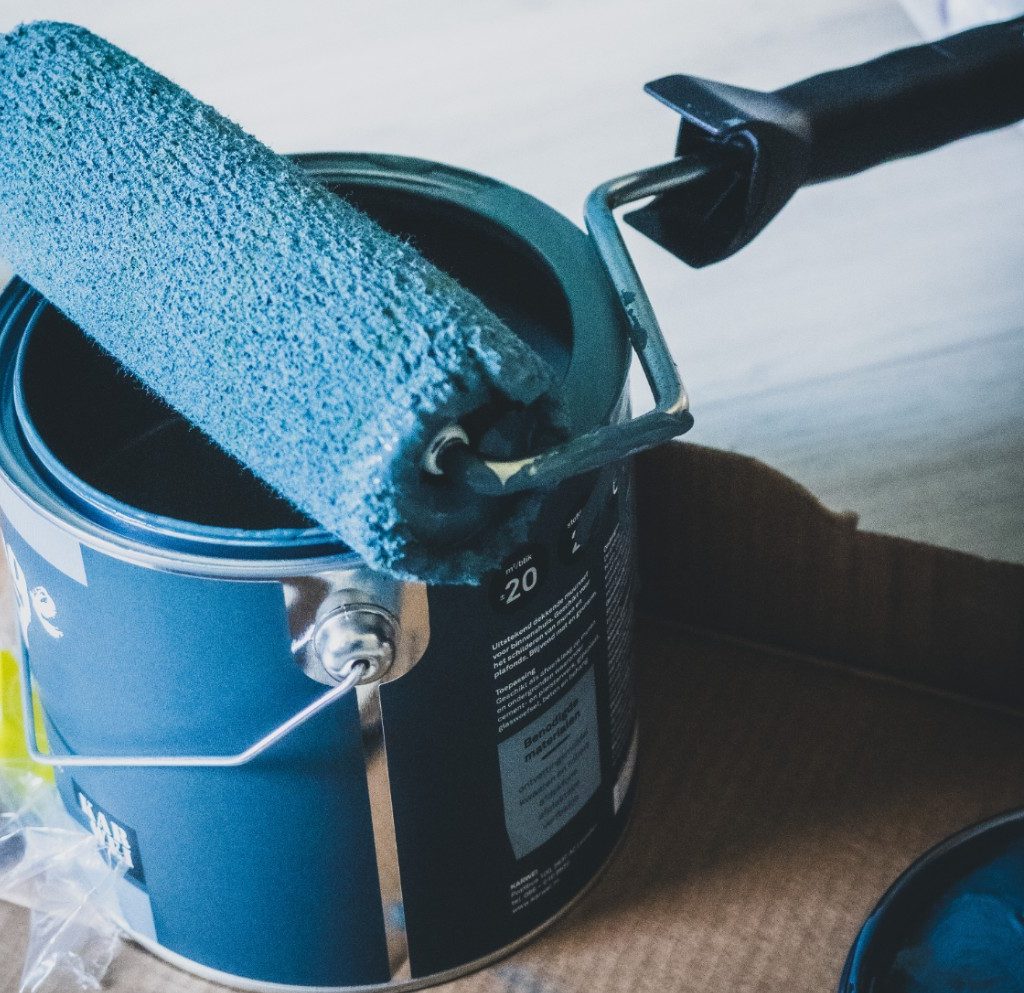
Paints are full of fumes, so whenever you’re working with primers or paints, open up doors and windows for better ventilation. If possible, keep your family out of the house for a day or two until fumes have dissipated.
Divide your painting project by rooms, or start with the upstairs and then downstairs to reduce exposure. Additionally, you can wear a face mask at the least, or a respirator if possible. These protective accessories filter out potentially harmful chemicals that cause lung, nose, or mouth irritation.
Besides safety, you’ll want to choose the best color floor paint that suits your home. White paints are popular for wooden floors and a summer-house vibe, but they may not be ideal for busy households. If your heart is set on light colors, remember to choose high-gloss paints for hardwood floors. These are more durable and are easier to clean than matte or eggshell finish paints.
Decorating your room will be easier if you choose a neutral color like white or gray. On the other hand, you can be a little more creative with tile or concrete floors. Choose a bright blue concrete paint or a sunflower yellow to make smaller areas pop.
If you don’t want to cover up your hardwood floors completely, choose a color that’s slightly darker than your existing floor. You can still showcase the original panels, but cover up slight blemishes like stains or fades.
When you paint a floor, you must take several steps to ensure your end result is just how you imagined it. Whether you’re covering old hardwood floors or revamping your bland kitchen tiles, painting your floor can be your best decorating move yet. It’s unexpected, relatively easy, and cost-effective even if you decide to take on the project yourself. So get creative and try out a small patch of your floor today before jumping into the big project.
If you’re looking for something much more specific, check out our guide on painting wooden floors white.