Tile is in. Well, tile has kind of always been in due to its versatility and durability. Porcelain and ceramic tile have been used as floor and wall covering for hundreds of years. Tile lasts for decades with minimal upkeep and grout maintenance before replacement is needed. The tile market is enormous, and it can be confusing. For example, is there a difference between wall and floor tiles? Are bathroom wall tiles the same as bathroom floor tiles? They look the same, and though overlapping a bit, there are fundamental differences that set them apart and make each better for its respective application.
The differences
You’ll find the following information in the specifications section of any tile information page. Most tile companies and retailers will provide you with any information you request, so it helps if you go in knowing what to ask for.

Coefficient of Friction (COF)
Wall tile versus floor tile; what are the differences? Ultimately this boils down to science in the forms of hardness and slipperiness. All ceramic and porcelain has a COF rating. A COF rating is a measurement of friction that a floor has. The higher the COF, the “rougher” the surface is and, thus, safer to walk on. A low COF means the surface is slippery and would be unsafe to walk on without slipping. For this reason, tile with a low COF would be used as wall tile.
Porcelain Enamel Institute rating (PEI)
PEI ratings are the second defining factor for durability and hardness when it comes to tiles. The Porcelain Enamel Institute issues five classes of PEI ratings that tile companies can use for their products. Ratings range from Class 5, which is for areas with heavy foot traffic like in commercial settings, to Class 1 for areas with no foot traffic like a wall. PEI ratings are usually hiding somewhere in the tile’s description, but it’s good info to have if you know that you’re looking for it.
By the numbers
| Wall Tile | Floor Tile | |
| COF (Friction Rating) | Any Rating | 0.5 or higher |
| PEI (Hardness) Rating | Any Rating | 3 to 5 |
| Recommended Use | Walls Only | Floors, walls, countertops, etc. |
| Cost | Similar | Similar |
| Size | Usually smaller | Usually larger |
Floor tile
If the tile has a COF rating of 0.50 or higher, you can use it on interior floors. For exterior paver tiles, the COF must be 0.60 or higher. The PEI rating should be between three and five to qualify as a floor tile. If a tile has numbers eligible for both, they are usually labeled as such by the manufacturer.
Wall tile
Wall tile can have any COF or PEI rating. Manufacturers often label these dimply as wall tiles since the numbers aren’t really relevant. The numbers should still be available if you want to see them, though.
Appearance
Floor tile
Consumer-grade floor tiles can be as large as 18-inch by 18-inch squares, and since large tiles are super popular these days, large sizes are standard. You can also get mosaic sheets of small tiles bonded to mesh backing for ease of installation. Classic subway tiles and hexagonal designs have long been favorites for bathroom floors.
Wall tile
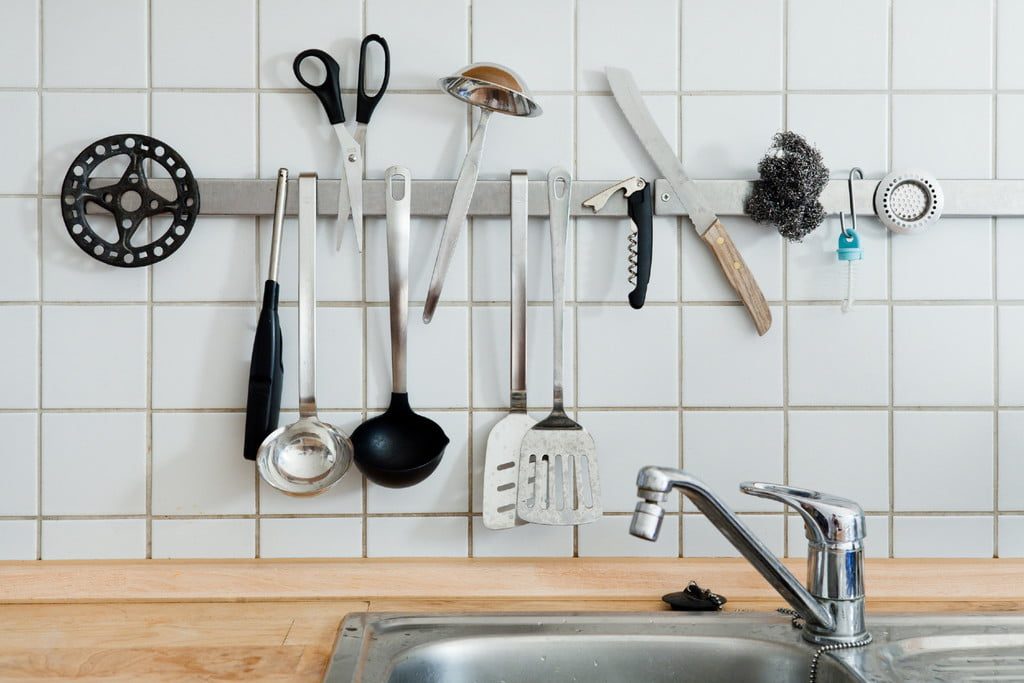
Typically wall tiles are smaller than floor tiles, but this is a matter of aesthetics more than anything. People tend to prefer smaller tiles for walls. Since wall tile has to hang on a vertical surface, wall tiles tend to be more lightweight, and size plays a role in weight.
Water and heat resistance
Floor tile
Tiles used for flooring are usually thicker than those used for walls. For this reason, floor tiles are typically more heat resistant and are often used for countertops.
Wall tile
Ceramic and porcelain tiles have the same water resistance whether they are made for floor or walls. However, when used for countertop applications, wall tiles are slightly thinner and therefore may be less resistant to the heat from hot pans.
Whether you are researching the differences between wall and floor tiles for your kitchen or bathroom, there are a few things to consider. The major differences between the two types of tiles come down to COF and PEI. After that, water resistance, appearance, heat resistance, and insulation come into play. Some of these items are matters of personal preference and some are for safety reasons so it’s important to consider them all.