Tub-to-shower conversions are a common bathroom remodel go-to. This project can boost your home’s appeal and offer a functional and stylistic enhancement that makes your space more enjoyable for years to come. But how much does a tub-to-shower conversion cost? Today, we’ll give you everything you need to know.
What is the average cost of a tub-to-shower remodel?
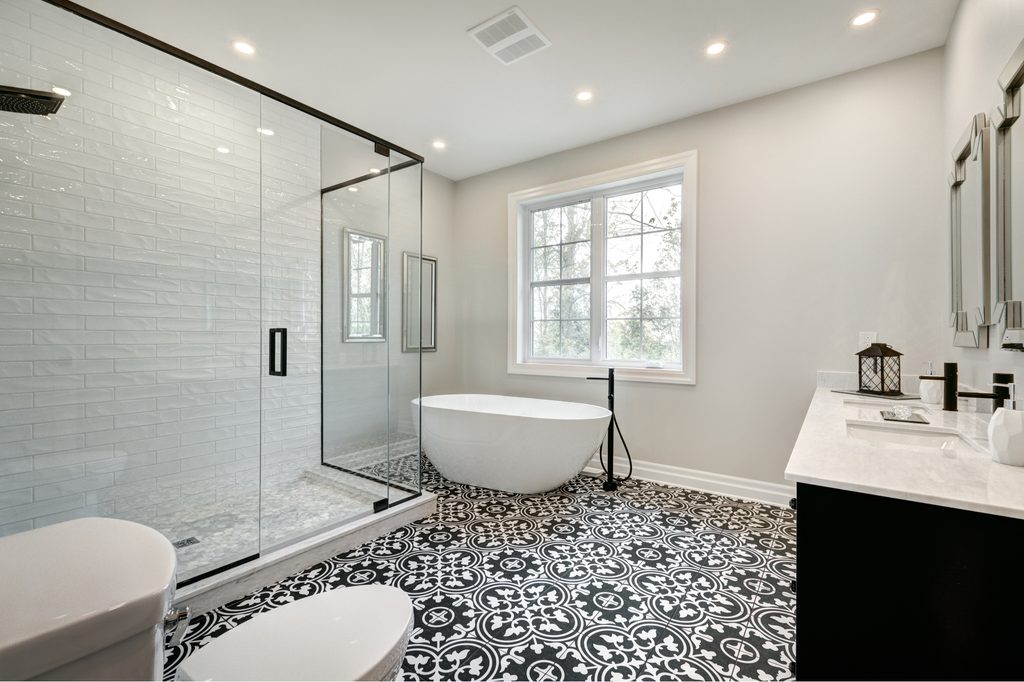
The average cost of a tub-to-shower conversion ranges from $1,200 to $8,000, depending on the project. Shower size, material, and type can affect the costs of your remodel. According to Home Depot, the average price of a tub-to-shower conversion is around $6,000. Other sources like Kitchen and Bath Center affirm that this conversion costs around $3,000, on average. Again, the scope of your project and individual needs will affect these costs.
Evaluating cost by shower size
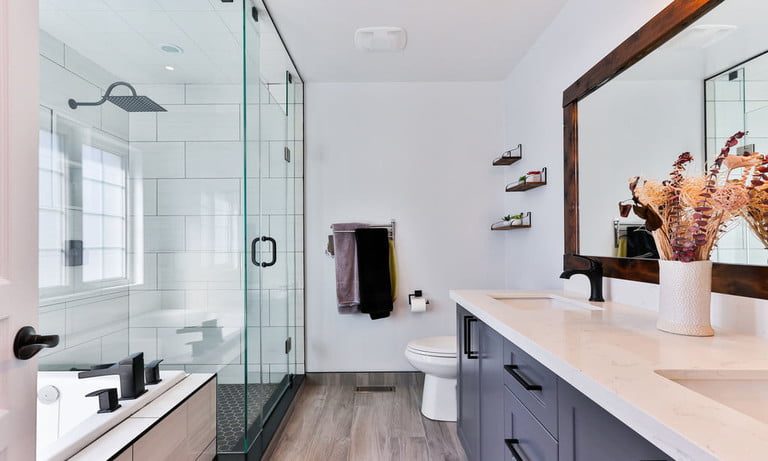
The size of your shower will determine much of the overall cost of your renovation. As you might expect, the bigger your space and shower size, the more expensive the conversion will be.
Prefabricated showers will be more affordable than custom options, but they also vary in cost based on size. We have listed some of the most common prefabricated shower sizes below and their costs to help you gain a better understanding before starting your project.
Most common shower sizes and their costs:
- 36 inches by 36 inches can cost $800 to $1,200
- 36inches by 42 inches can cost $900 to $1,400
- 48 inches by 48 inches can cost $1,200 to $4,000
- 36 inches by 60 inches can cost $1,200 to $4000
- 48 inches by 60 inches can cost $1,400 to $5,000
- 60 inches by 60 inches can cost $1,500 to $6,000
Comparing cost by shower type
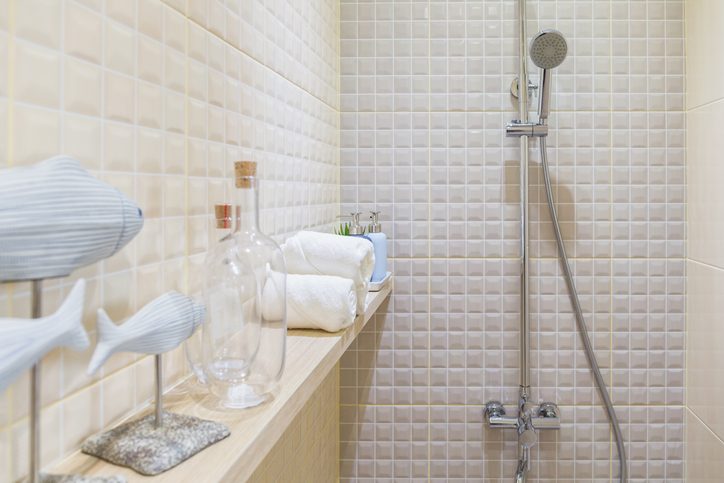
Below, we’ve compared the costs of some of the most popular shower types.
Small corner shower
There are a few types of single-corner showers to choose from. These showers often come in prefab kits and are smaller than typical tub-to-shower conversions. But if you plan to install a smaller shower to save space, this can be a cost-effective option.
- A square corner shower can cost anywhere from $350 to $1,400.
- Neo-angle showers can cost $450 to $1,200.
- Curved corner showers can cost $500 to $1,300.
These small, single-corner showers are the most affordable. Additionally, purchasing a prefab kit will save more money than going the custom route.
Rectangular shower
Creating a rectangular tub-shower combo can be done in a couple of ways. The most affordable solution is to install a shower head and sliding door or other barrier onto the existing tub. Depending on your situation, this can cost anywhere from $500 to $1,000 or more. If you decide to demo your existing tub and install a rectangular shower unit, you could anticipate spending $2,000 to $6,000.
Walk-in shower
Walk-in showers are the most expensive shower type to install but can often give you a good ROI if you choose to sell. On average, a walk-in shower costs $2,100 to $4,000. However, this cost can rise if you choose a custom design and sizing or install tile.
How do different materials affect the cost?
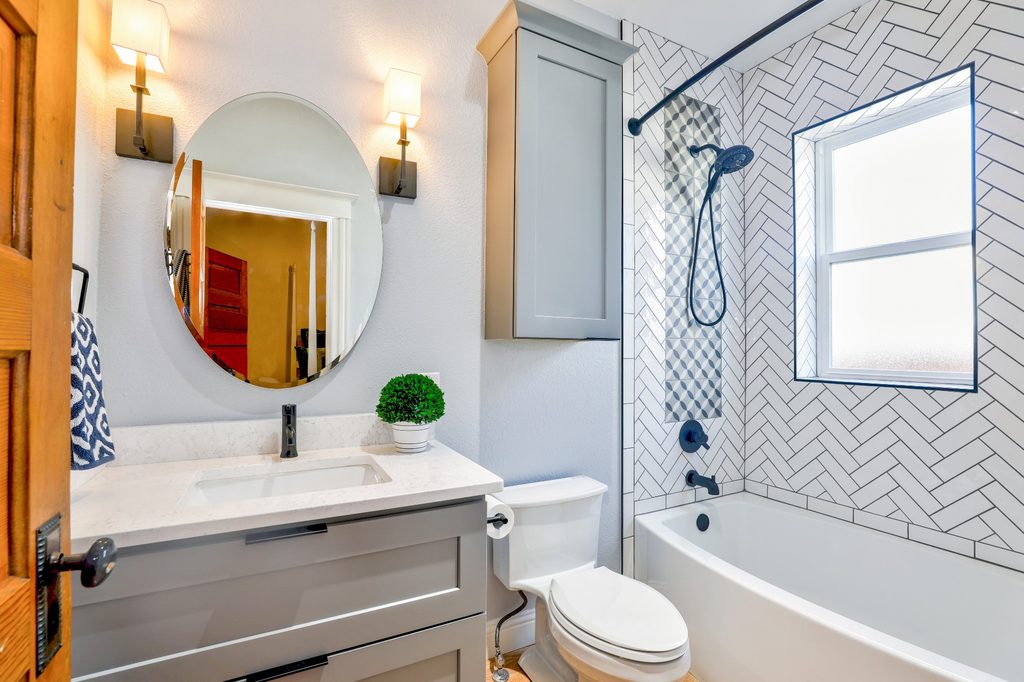
Prefabricated showers will be more affordable than custom alternatives. However, the material of your prefab unit will determine part of the costs for your tub-to-shower conversion.
If you choose to tile your shower, the cost is determined per square foot and by the material of your choosing. According to Angie’s List, you could spend anywhere from $2 to $100 or more on bathroom tile installation.
Prefabricated shower costs by material:
- Acrylic can cost $800 to $2,500.
- Cultured marble can cost $800 to $3,000.
- Fiberglass can cost $2,000 to $5,000.
Custom shower average costs by material:
- Ceramic tile costs $2 to $25 per square foot. Handmade tile can cost upward of $100 per square foot.
- Porcelain tile costs $2 to $35 per square foot.
- Stone tile costs $2 to $45 per square foot. Natural stone pricing varies by stone type.
- Glass tile costs $30 to $100 per square foot.
Other factors to consider with a tub-to-shower renovation
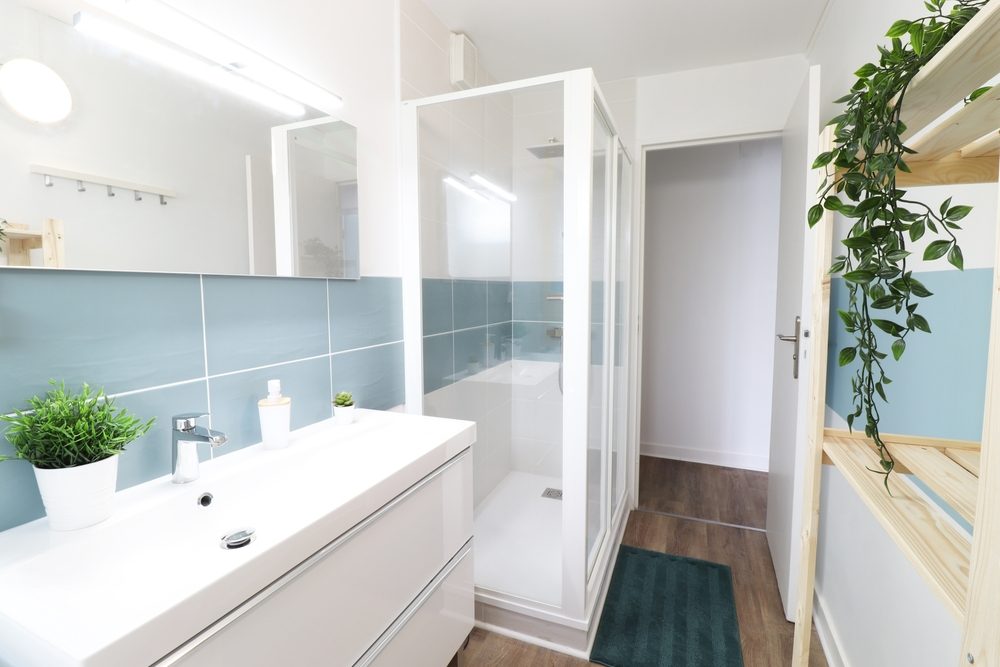
While you’ll certainly need to calculate your funds based on shower size, type, and material, you’ll also want to set aside money for the following.
Labor costs
Hiring a professional for your tub-to-shower conversion is recommended. This will ensure the job is done right, leaving you with a gorgeous transformation in your bathroom. Labor costs are dependent on where you live, but on average, you can expect to spend anywhere from $50 to $150 per hour. Keep in mind you may have to pay for demolition, plumbing, and installation separately, based on the scope of your project.
Accessories
Shower accessories like faucets, shower heads, shelves, shower bars, doors, and slip-resistant flooring will also affect your costs. Be sure to set aside money for these add-ons.
Unforeseen repairs
Unfortunately, unforeseen issues can arise during a renovation. From plumbing mishaps to hidden mold, several surprises can come up as you begin your remodel. Once again, have money set aside just in case you need to fix an unforeseen issue.
A tub-to-shower conversion can be just what your bathroom needs to give it a functional facelift. Showers offer a practical and stylistic enhancement to your space that can boost your home’s ROI and provide you with a luxe space to enjoy.