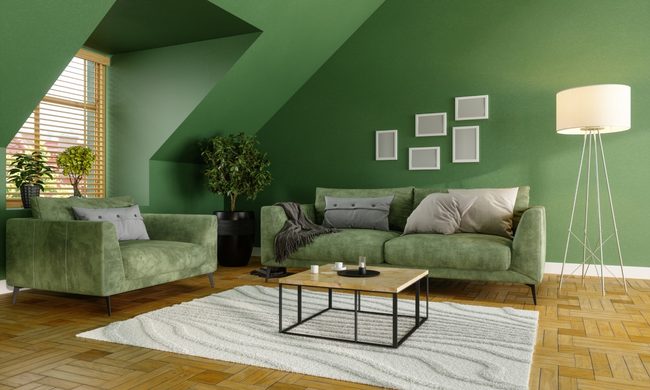

There’s a lot of racket out there in the world, and if that noise is seeping in through your windows at night, it can really disrupt your life. Maybe you’re hearing the noisy street down below, your loud next-door neighbors, or even the sounds of a long-term construction project nearby. Sometimes there’s just a pesky flock of geese living on your lawn that love to honk the day away.
Whatever the source and level of noise you’re hearing, it can really disrupt your days, and especially your nights. The good news is that we can help you navigate some home improvement ideas for window soundproofing based on the level of noise you’re hearing and your budget. Here’s a guide for how to soundproof windows so you can live and sleep in wonderful silence.
Is it expensive to soundproof windows?
The cost of your DIY window soundproofing project will depend on a couple of factors. For example, the condition of your existing windows, the level of noise you’re trying to block out, and the type of solution that may work for your soundproofing needs all play a role in the overall expense of the project.
If you simply need to seal your windows to block out minimal street noise, for example, you may be looking at a small project cost. However, if you live in an extremely noisy neighborhood and your windows need a full soundproofing upgrade, you may be looking at a higher price tag if you want to block out all that noise completely.
DIY window soundproofing: Minimal noise leakage
Even if the level of noise you’re hearing is minimal, it can still keep you tossing and turning at night, especially if you’re a light sleeper. You’ll be happy to learn that there are some simple and inexpensive fixes for your windows that will drown out light noise.
Check for gaps in your window panes
Often, we hear noise leak through our windows because there are gaps between the window’s glass and the windowpane or even between the windowpane and the wall. Even if those gaps are barely visible, noise can get through at decibels that will disturb your sleep.
If this is the case, you’ll probably feel a very slight bit of air coming through any spaces around your windows. If you suspect gaps are the culprit, you can line the window pane with foam inserts or re-caulk the area with acoustic caulk to block out the sounds.
Use noise-canceling window treatments
The dream of any night-shift worker, blackout curtains can be stylish and they do well at not only blocking out light but also dampening outside noise. These curtains are made from thick materials and often have a foam or vinyl backing, which goes a long way in blocking out light noise.
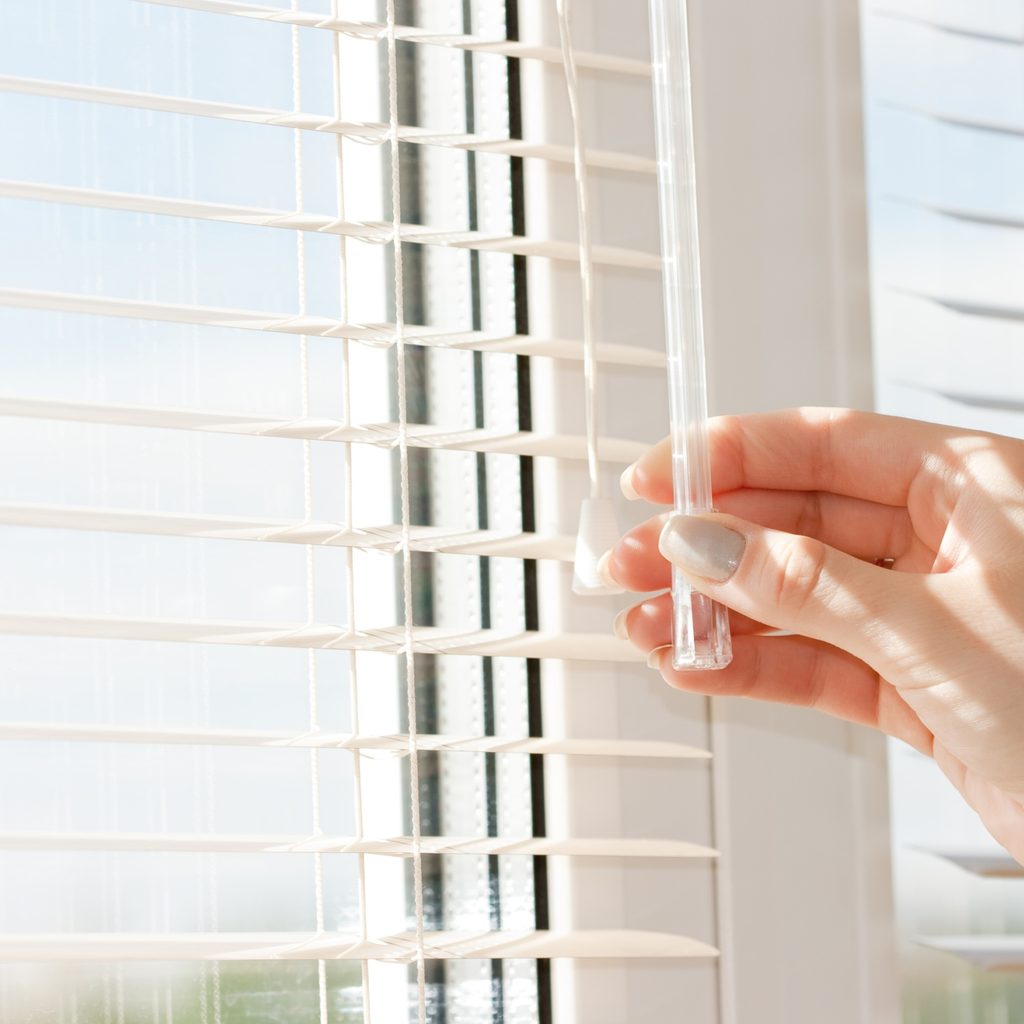
Some types of shades, curtains, or blinds also help to reduce noise, especially cellular shades. These window treatments are also referred to as honeycomb shades, and they insulate the window to block out noise.
How to soundproof windows: Heavy noise leakage
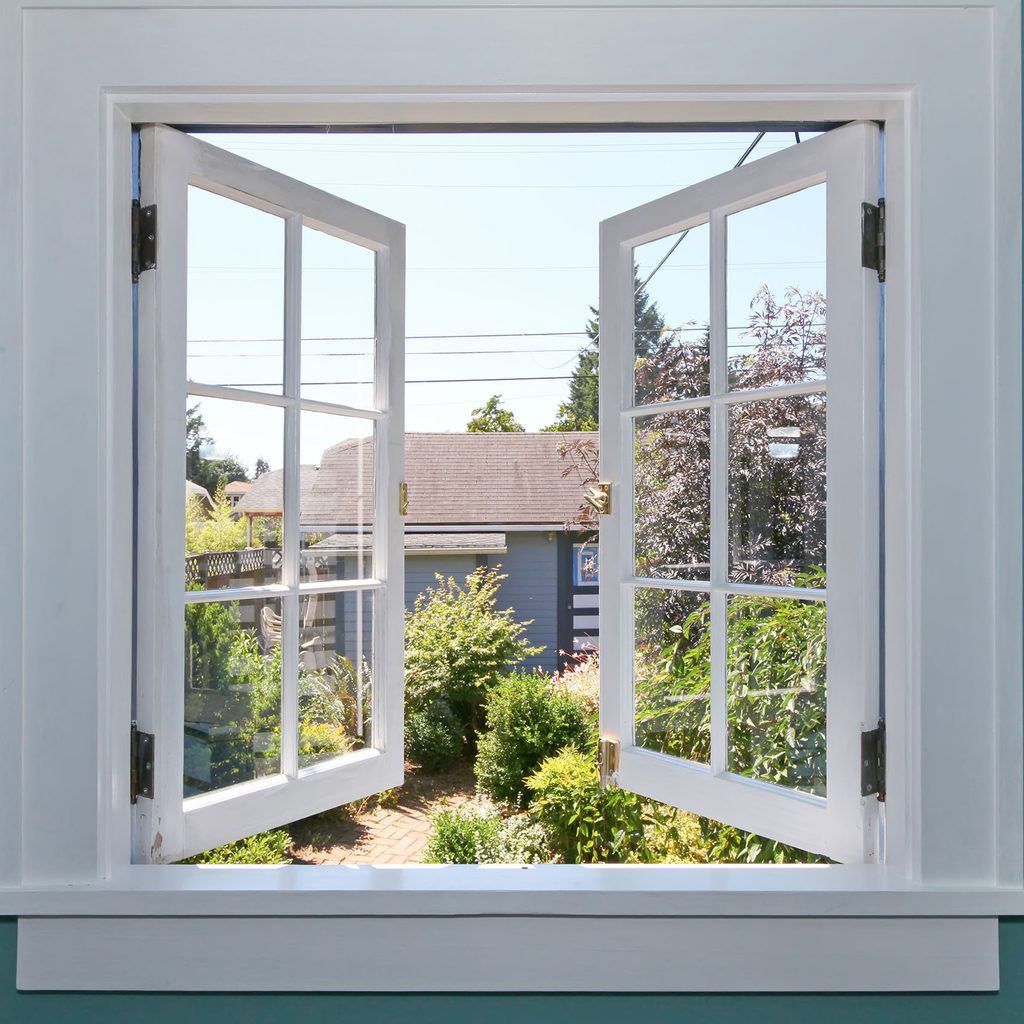
If you’re experiencing a lot of excess noise in your home, you may want to look at some more extensive solutions to soundproofing your windows. While these solutions tend to cost more than our previously mentioned fixes, they’re far more successful at canceling heavy noise that’s leaking through at higher decibels.
Install interior window inserts
Window inserts are typically custom made to fit your window. They can be installed directly over the interior of your window and they sit a few inches away from your window’s glass. The space between the window and the insert does well at drowning out the noise that comes through, and high-quality inserts are typically made from tempered glass, which has its own soundproofing qualities.
Upgrade to windows with double panes
If your existing windows are single-pane, this may be the reason you hear so much noise. One pane of glass does a poor job of keeping any noise out. Upgrading your windows to double-panes will invoke the same philosophy as window inserts. Two panes of glass a few inches apart will drown out that unwanted noise.
Soundproof windows are a good option
To truly block out all noise permanently, the most effective method is to pull out your old windows and replace them with soundproof windows. This type of window is expertly designed to block noise, and most brands have the ability to eliminate up to 95 percent of outside noise. While this can be a pricey solution, it’s a permanent one that you’ll be able to benefit from for years to come.

A note about your furniture and decor
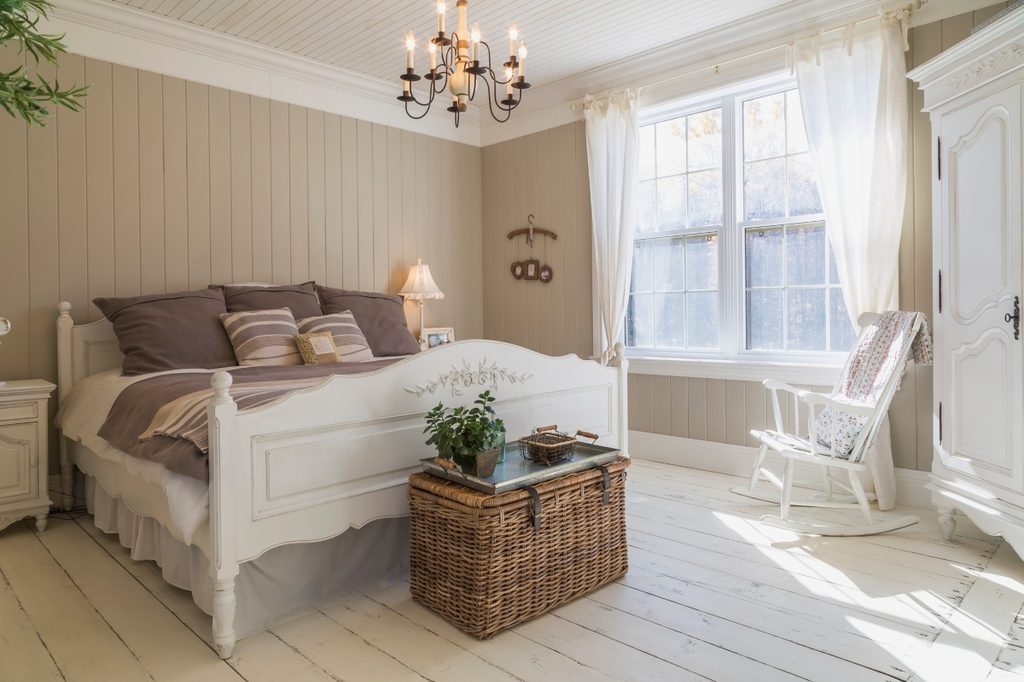
Did you know that the decor and furniture in your space could be amplifying outside noise? If noise is leaking through your windows, it’s magnified if it’s permitted to bounce around the room. This means that larger rooms with hardwood floors and minimal furnishings echo the noise even further. Consider adding some more pieces of furniture and possibly throwing down carpet or a large area rug over your wood floors.
It’s almost impossible to sleep while outside noise is pouring in through your windows. Noisy neighbors, busy streets, or even the perpetual chirping of those little birds outside your window can negatively impact your peaceful rest. Luckily, with the soundproofing solutions we’ve talked about, you can dampen out that unwanted noise. Whether your noise issue is one with high volume or just some light but annoying sounds, you can get some well-deserved sleep with a bit DIY window soundproofing.