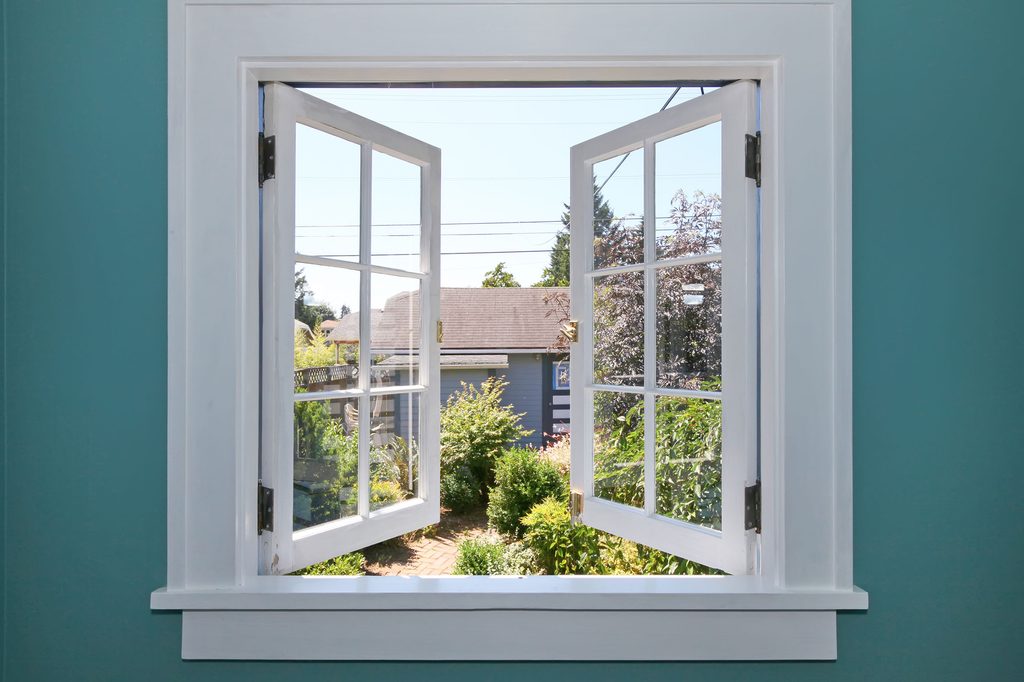
Replacing a window is a bigger project than many homeowners realize. With so many options to choose from, windows come in a variety of materials and styles, each affecting their overall cost. Today, we’re discussing the window replacement cost, so you can get an idea of what to expect for your next renovation.

How much does it cost to replace a single window on average?
The cost to replace a window can range from anywhere between $450 and $1500, with the average price of a window replacement costing $730, according to MarketWatch. Depending on the type of window, the material, and the location you live, window replacement prices can change based on the scope of your project.
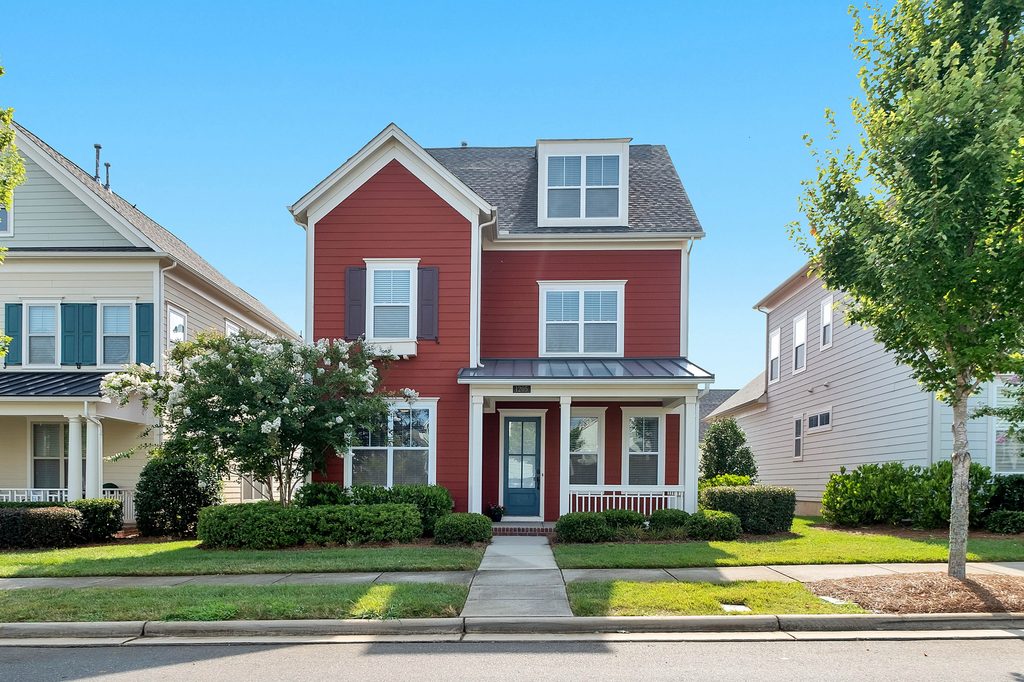
Different types of windows
The type of window you’re replacing will affect the cost of your project. For example, a small transom window above the door may cost up to $250 to replace, while a double-hung window can range anywhere from $250 to $3,000, according to Fixr. The most affordable window types tend to be smaller, such as transom, hopper, and block windows. However, windows like casement, double-hung, and bay are more expensive to install.
Here is a list of the different window types. While not listed in any particular order, this can give you an idea of all the options you have to choose from for your project. Each window will have different costs.
- Picture
- Single-hung
- Double-hung
- Casement
- Sliding
- Skylight
- Floor-to-ceiling
- Bay
- Arched
- Egress
- Transom
- Hopper
Cost of windows, based on material
The window material you choose will also affect the replacement cost.
Aluminum
Aluminum windows are often more affordable because they require less upkeep than other materials. They tend to fade but are durable and can last a long time. Most aluminum windows cost $200 to $1,200.
Vinyl
Vinyl windows are a popular choice because they tend to be more durable. These windows can range from $100 to $4,500 in cost. Vinyl windows are a low-maintenance option that doesn’t require painting, making them ideal for many homeowners.
Wood
Wooden windows can range from $200 to upwards of $2,000. They are fantastic insulators but are the most high-maintenance material to use. Since they can be painted or stained, many homeowners favor them for their customization. They are also ideal for historic homes.
Fiberglass
Fiberglass windows are often the most favorable choice. They’re visually appealing, long lasting, durable, and provide excellent insulation. They fare better than other window materials and require little upkeep, making them a solid investment for many homeowners. These windows cost between $200 and $2,500, on average.
Other windows
In addition to the materials mentioned above, materials like steel and composite can also be found. Be sure to do your research or speak to a professional before choosing the material that is best for your situation.
Other factors to consider for window replacement
While the material and the type of windows you choose will determine the main expenses for your project, there are other factors to consider.
Scope of the project
The scope of your project will significantly affect costs. From the size of your windows to the number of windows you choose to replace, this will affect your project expenses immensely.
Labor costs
If you choose to do it yourself, you may save money. But chances are, you’ll have more success hiring a professional to do your window replacement the right way.
Location
Location also affects the cost of your windows. Some states have cheaper materials than others. Additionally, your location may have different rules and regulations regarding window replacement.
Window replacement isn’t always cheap, but it is something many homeowners will face from time to time. Always speak to a professional before choosing a replacement window. Additionally, be sure to map out the scope of your project and determine exactly what type and material of windows you want before making any purchases.