Choosing the right exterior door types for your home is essential for both aesthetics and functionality. Your front door is the first thing people notice when they arrive at your home, and it also plays a critical role in security and energy efficiency. But with so many options, it can be overwhelming to determine which one best suits your needs.
Let’s break down the different exterior door types, the best materials to consider, and other important factors to help you make the right choice.
Main exterior door types
When it comes to exterior doors, you’ll find several types, each serving a unique purpose. The main categories include entry doors, storm doors, screen doors, and patio doors.
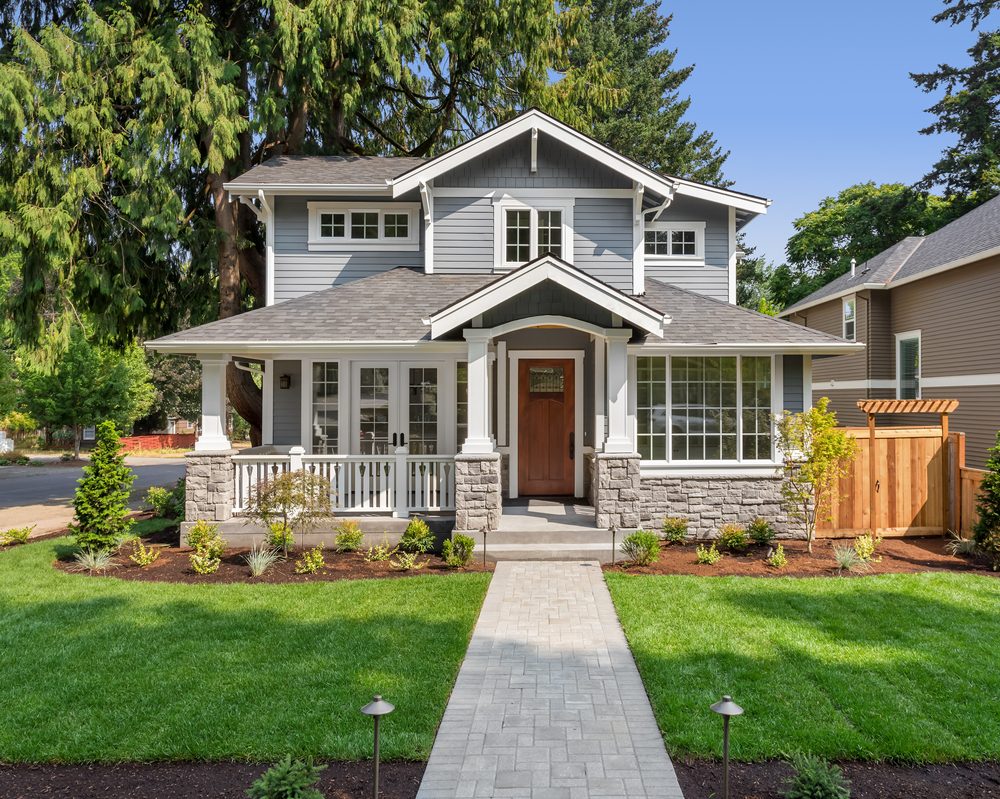
- Entry doors: These are the primary doors used for front, back, or side entrances. They’re designed for durability, security, and curb appeal.
- Storm doors: Installed in front of an entry door, storm doors provide an extra layer of protection against harsh weather. They also add insulation, helping with energy efficiency.
- Screen doors: Unlike storm doors, screen doors focus on ventilation while keeping bugs out. They are perfect for warm climates or those who love to let in a breeze without worrying about insects entering the home. They are also nice to have if there are pets in the home, so furry friends can see outside, but the screen doors keep them from getting outdoors.
- Patio doors: These doors are typically made of glass and provide access to an outdoor space such as a backyard patio area or deck. Patio doors come in different styles, including sliding, French, and bi-fold, offering both function and elegance.
Which material is best for entry doors?
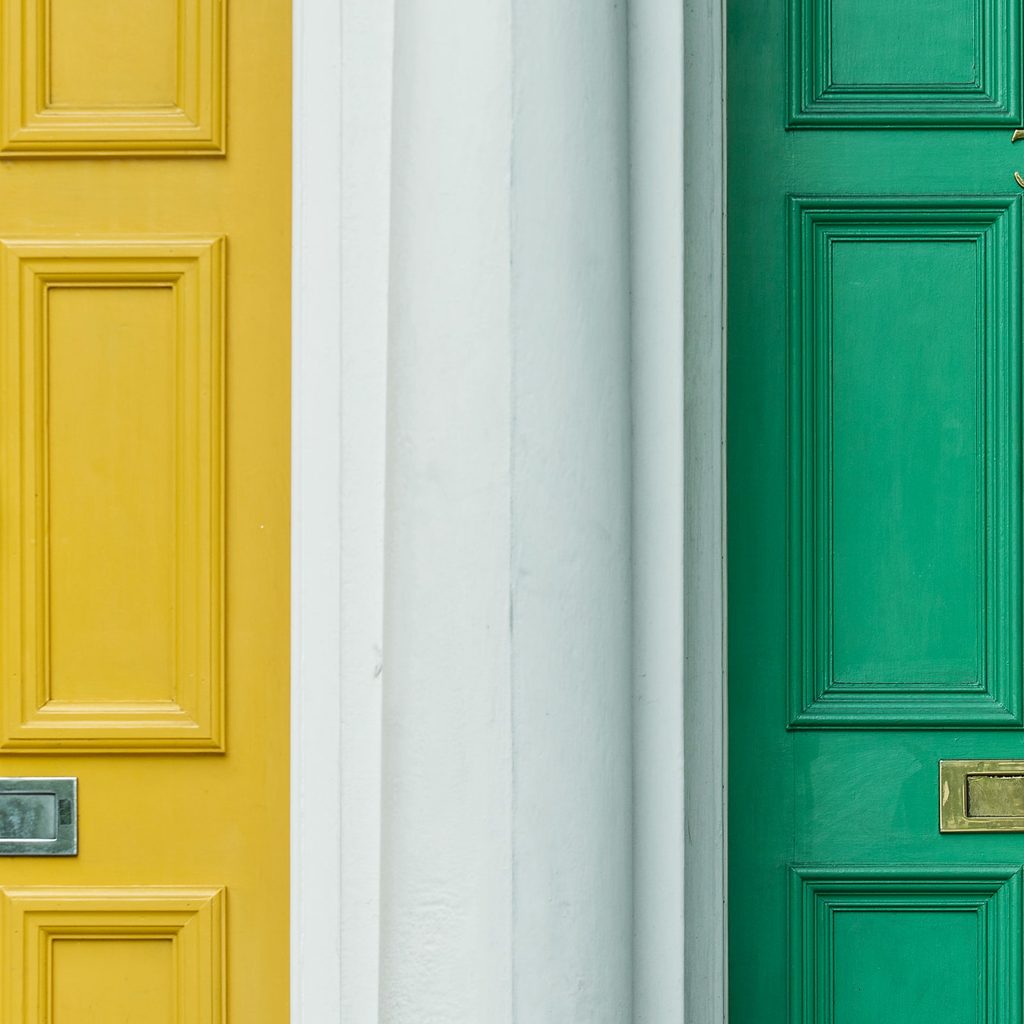
The material of your entry door determines its durability, security, and energy efficiency. Each material has unique advantages, making some better suited for certain homes and climates. Below, we’ll explore the most popular materials for exterior doors and help you decide which one is the best fit for your home.
Wood
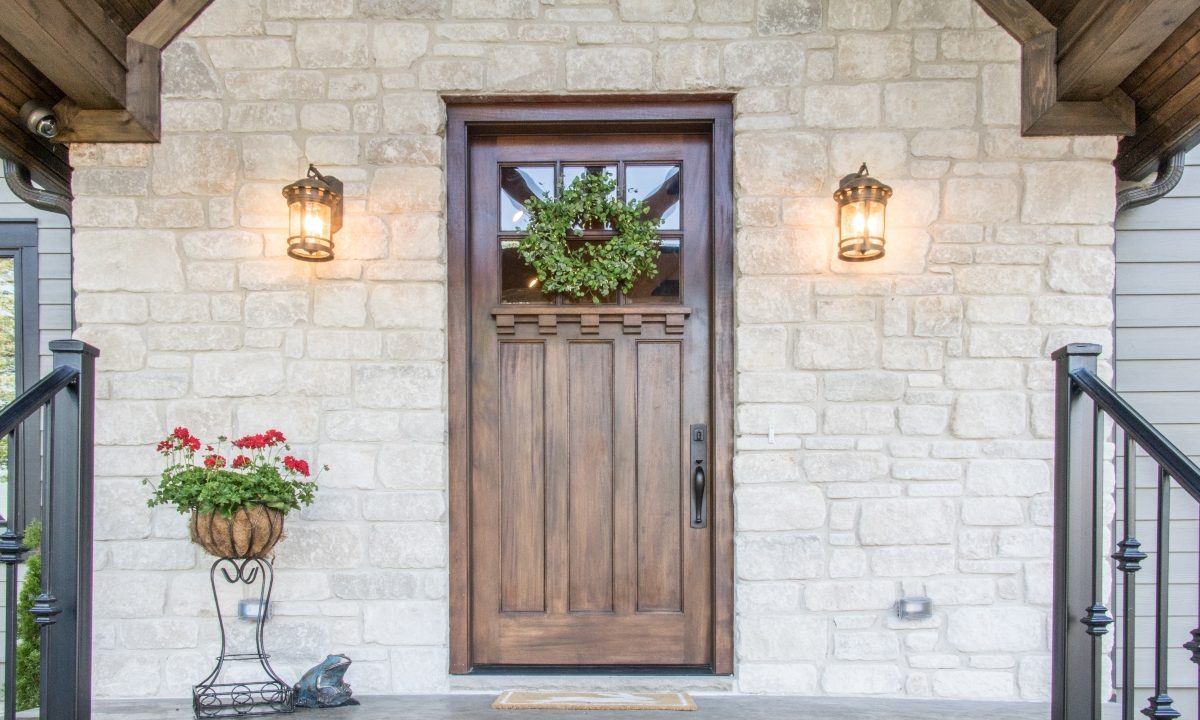
Wood entry doors are a classic choice, offering unmatched beauty and a warm, inviting look. They come in a variety of species, including mahogany, oak, and cherry, allowing you to customize the appearance of your front door to match your style. Wooden doors are best suited for traditional or high-end homes that prioritize curb appeal. While they provide excellent insulation, they do require regular maintenance, including sealing and staining.
Fiberglass
Fiberglass doors are an increasingly popular alternative to wood because they mimic the look of wood without requiring as much upkeep. They are highly resistant to warping, cracking, and denting, making them an excellent choice for homes in areas with extreme weather fluctuations. These doors are also energy efficient, as they have insulated cores that help regulate indoor temperatures.
Steel
Steel entry doors are the go-to choice if you prioritize security and durability. These doors are incredibly strong, making them resistant to forced entry, dents, and extreme weather conditions. While they don’t offer the same level of customization as wood or fiberglass, modern steel doors come in various styles and can be painted to match any home exterior. However, they can be prone to scratches and rust if not properly maintained.
Iron
Iron doors provide a luxurious and sophisticated appearance, often featuring intricate designs that elevate a home’s curb appeal. These doors are incredibly strong and provide excellent security, making them ideal for those who want an extra layer of protection. Iron doors are also highly resistant to weather damage, making them a great long-term investment. While they can be heavy and more expensive than other materials, their durability and unique aesthetic make them a standout choice for high-end homes.
Pre-hung vs. slab doors
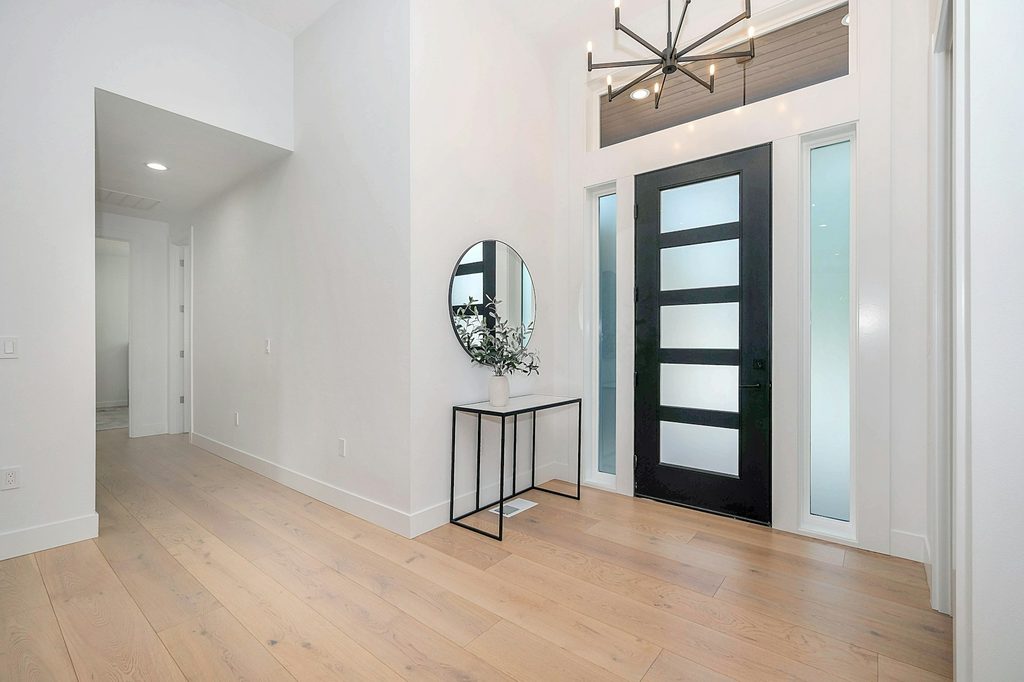
When selecting an entry door, you’ll need to decide between a pre-hung door and a slab door. A pre-hung door comes attached to its own frame and is ready for installation as a complete unit. This makes it an ideal choice for new construction or extensive renovations where the door frame needs replacing. It also ensures a secure, weather-tight fit, reducing the risk of air leaks.
On the other hand, a slab door is just the door itself, without a frame or hardware. This is a great option if you’re replacing an existing door but keeping the frame intact. Slab doors offer more customization, as you can choose your own hinges, handles, and locks. However, they require precise measurements and installation skills to ensure a proper fit.
Benefits of glass on exterior doors
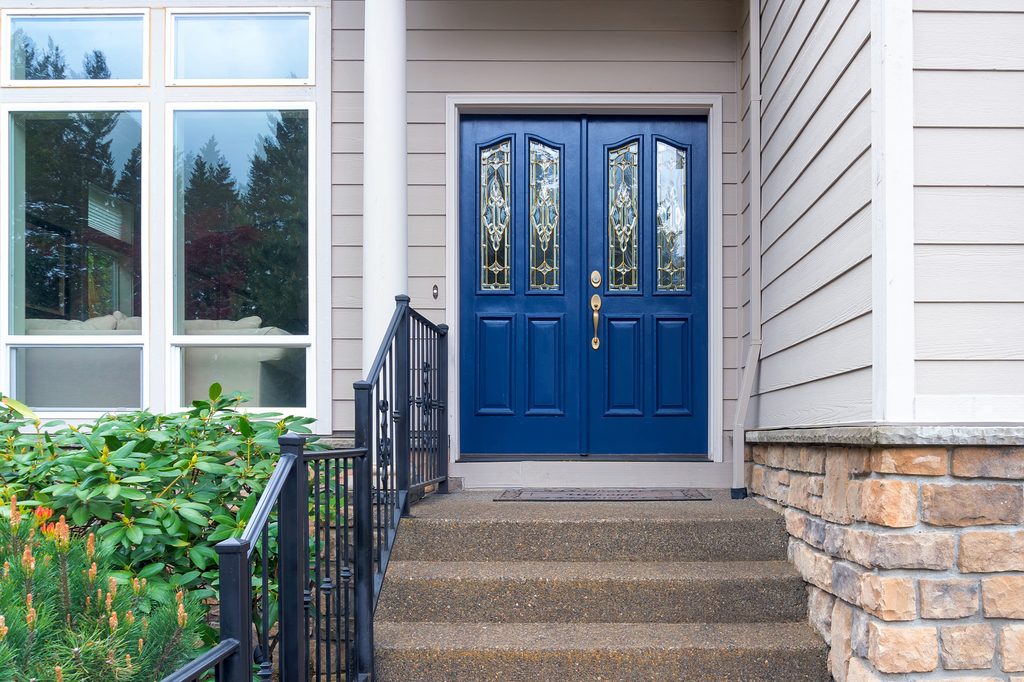
Exterior doors with glass inserts add a touch of elegance while increasing natural light inside the home. There are different types of glass options, including frosted, textured, and decorative glass, allowing you to balance privacy with aesthetics. One major benefit of glass exterior doors is their ability to brighten up entryways, making interiors feel more open and inviting.
Additionally, glass inserts can improve curb appeal and add value to a home. Modern glass doors often come with energy-efficient, double- or triple-pane glass to enhance insulation and reduce heat loss.
Finishes for exterior doors
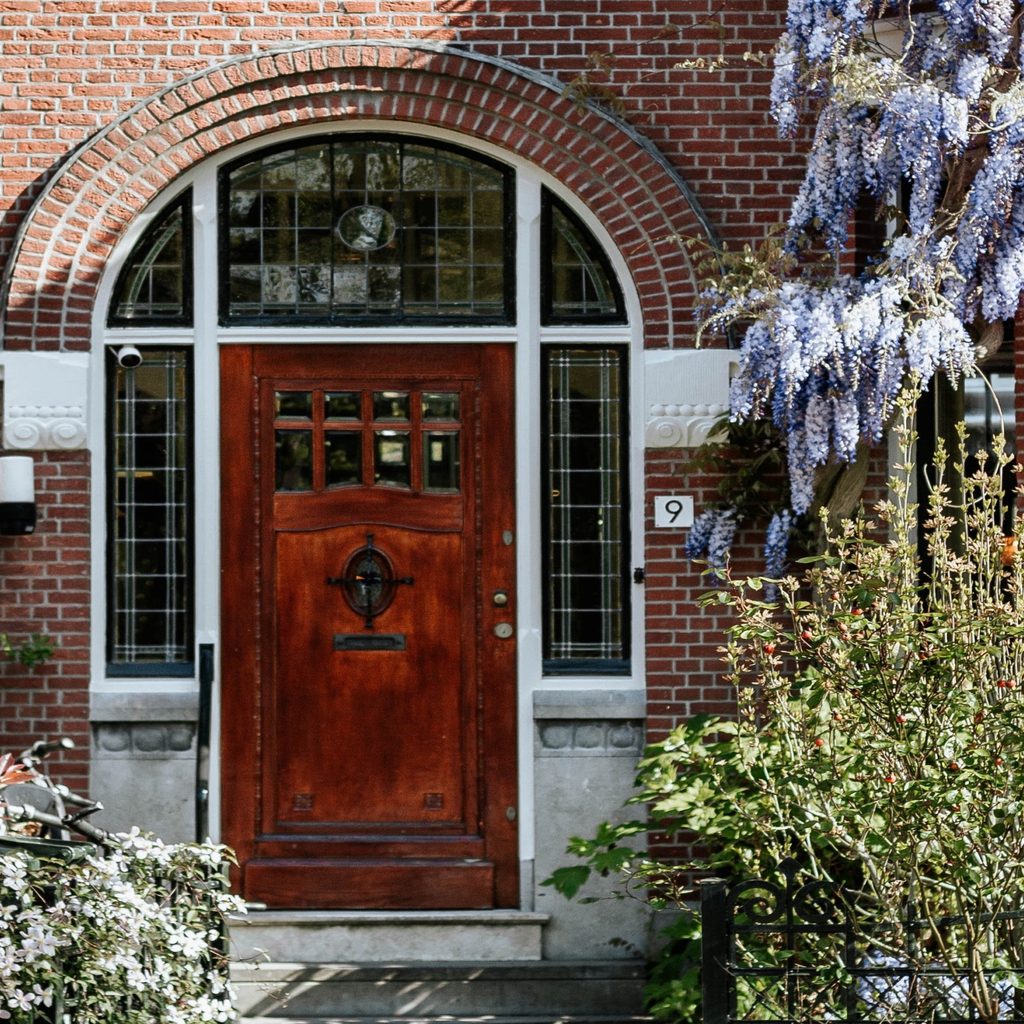
The finish of an exterior door plays a key role in its appearance and longevity. Wooden doors require staining or painting to protect against moisture, while fiberglass and steel doors often come with factory-applied finishes for added durability. If you prefer a natural wood look, consider a high-quality stain with a protective sealant. For painted doors, opt for exterior-grade paint with UV protection to prevent fading.
Proper finishing ensures your door maintains its beauty and withstands harsh weather conditions for years to come.
Do you need a storm door?
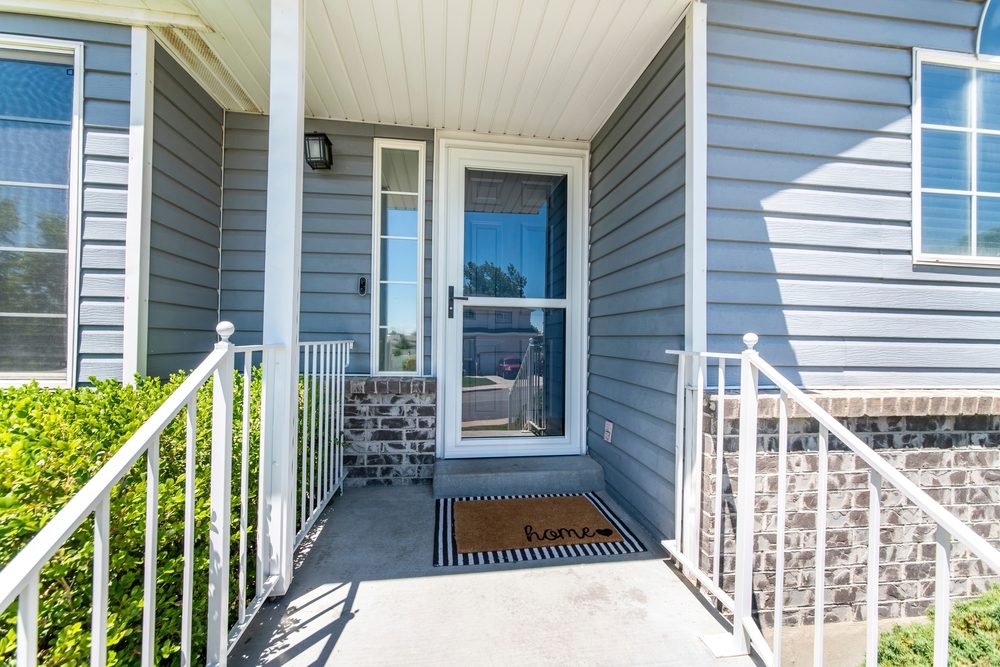
The choice to install a storm door depends on your climate and lifestyle. If you live in an area with harsh winters, a storm door adds an extra layer of insulation, protecting your main door from rain, snow, and wind. It also improves energy efficiency, keeping your home warmer in the winter and cooler in the summer. Some modern storm doors even come with retractable screens, giving you the flexibility of both options in one.
Selecting the right exterior door type for your home is a crucial decision that impacts security, energy efficiency, and aesthetics. Whether you opt for a sturdy steel door, a timeless wood door, or a sleek fiberglass option, choosing the right material and style will ensure long-term durability and curb appeal. By understanding your options, you can confidently select the perfect exterior door that meets your needs and enhances your home’s beauty.