  1. Home
  2. Hacks & How-to's
  3. Evergreens

The best cocktail napkins for some functional and stylish decor

Planning a wedding or party? Renting out a space with a bar for the gala? Then, you should have a lot of cocktail napkins on hand. These types of napkins can provide a lot of assistance when serving drinks.

From plain to personalized — especially for weddings, graduation parties, or showers — cocktail napkins are available in many forms and colors. Which one might best suit you? Perhaps one of these attractive and affordable cocktail napkins.

TROLIR Cocktail Napkins

Best overall
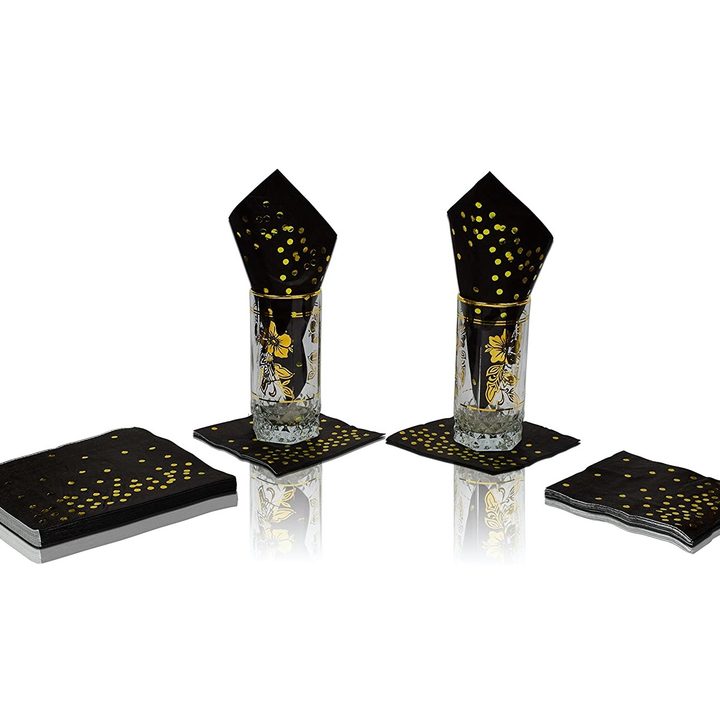
Image used with permission by copyright holder

What’s a top-notch napkin? How about a three-ply black one stamped with sparkly gold-foil polka dots? That describes TROLIR Cocktail Napkins, which are designed to be sturdy and well-absorbing. They are produced from virgin wood pulp with food-grade ink.

Crisky Wedding Napkins

Best for weddings
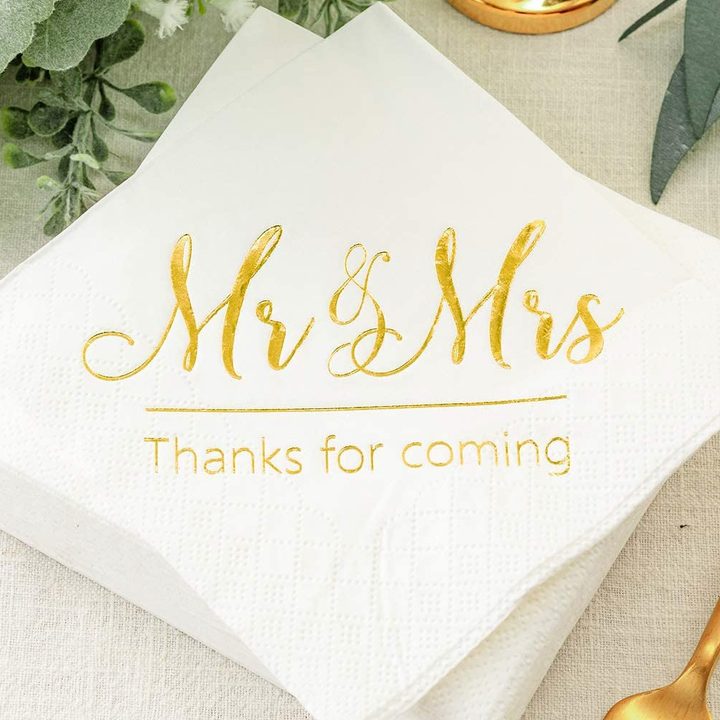
Image used with permission by copyright holder

Weddings require festive and memorable cocktail napkins. That aptly describes Crisky Wedding Napkins, a top choice after tying the knot. The 100-count napkins can be printed with an attractive “Mr. and Mrs. Thanks for Coming” message to acknowledge guests.

Perfect Stix 1Ply Cocktail Napkins

Best value
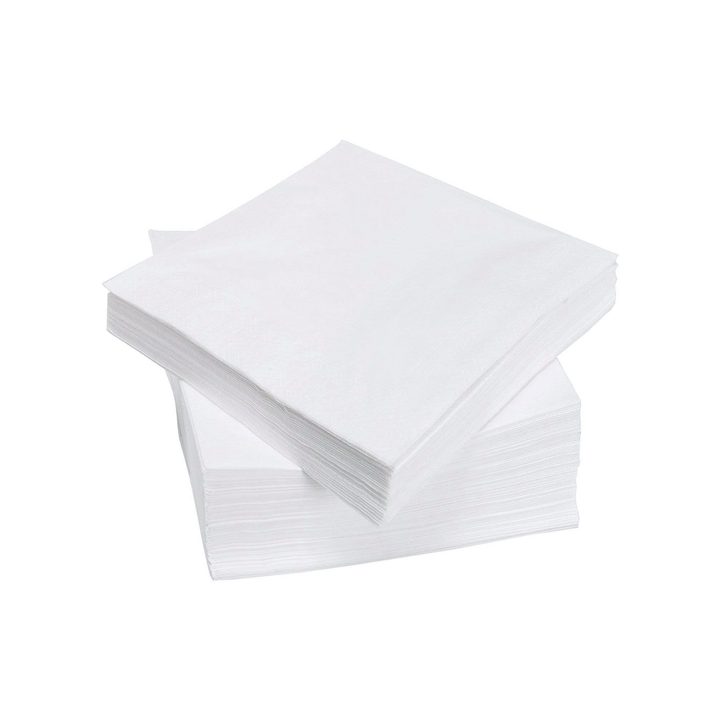
Image used with permission by copyright holder

Weddings and parties can be expensive to put on. To rein in expenses, get an affordable cocktail napkin. Perfect Stix Cocktail Napkins are just that. Available in packs of 500, they’re ideal for big parties or large gatherings of any kind.

Cocktail napkins might not seem like a big consideration when planning a wedding, party, or large gathering, but they play an important role while serving as a coaster or additional decoration. Consider these cocktail napkins when you’re seeking the perfect addition to your event.

How to Style a Coffee Table That Feels Collected, Not Cluttered
Plant, Furniture, Table

A well styled coffee table can make your formal living room stand out and should feel intentional, considered and appropriately arranged. The goal is balance, and it should support the room rather than compete with it.

Start with a foundation. Use one or two large books to ground the arrangement. Choose books with substantial covers that reflect the palette of the room, whether neutral or tonal, and complement the space. Stack them rather than spreading them out. This creates structure and gives everything else a place to sit.

Read more
Flowers From the Garden: A Summer Centerpiece Method
Flower, Flower Arrangement, Plant

A simple, season led approach to summer florals, built on what is in bloom rather than what is in stock.

There is a particular generosity to summer that no other season offers. The garden is full and the flower markets overflow. The roadside stands begin to set out buckets of zinnias and dahlias by mid June and July. The backyard, once an afterthought, begins to feel like an extension of the home itself. The question is no longer whether to bring flowers into the house, but how often.

Read more
The Easiest Way to Set the Table
Cutlery, Fork, Spoon

Have you ever wondered why the fork sits on the left and the knife on the right? Or why Europeans eat “Continental style,” holding the fork in their left hand and the knife in their right, while Americans cut, switch hands, and then eat? It turns out there’s a reason for all of it, and once you understand the history, setting the table suddenly feels far less mysterious. Before beautifully layered place settings and Pinterest-worthy tablescapes, dining was far more practical. Medieval feasts were less about etiquette and more about survival. Plates were often shared, forks were nonexistent, and eating with your hands was the normal standard. Tables were filled with trenchers (pieces of bread used as plates), and the idea of “proper placement” simply didn’t exist.

By the mid-to-late 1800s (around 1860–1870), European dining evolved again as meals began to be served in courses. This shift introduced what became known as the Russian style of dining, where utensils were laid out intentionally and used from the outside in. The fork stayed in the left hand, the knife in the right, and the table itself began to reflect structure, rhythm, and order. This approach eventually became the “Continental style” still used across much of Europe today.

Read more