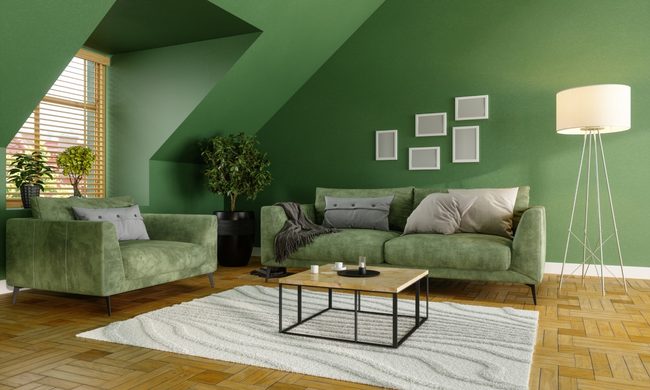
Organizing your home can be stressful, time-consuming, and just plain hard. How do you know what to get rid of? How can you hide the trash can in a way that is easy to access? And what should you do about that disorganized bookshelf that you’ve been avoiding?
These questions run through everyone’s mind at some point or another. When it comes to organization, there really is no clear-cut solution. However, with these professional organizer tips and tricks, you can navigate your way through the mess and chaos in a way that feels refreshing and revitalizing!
Cut the clutter
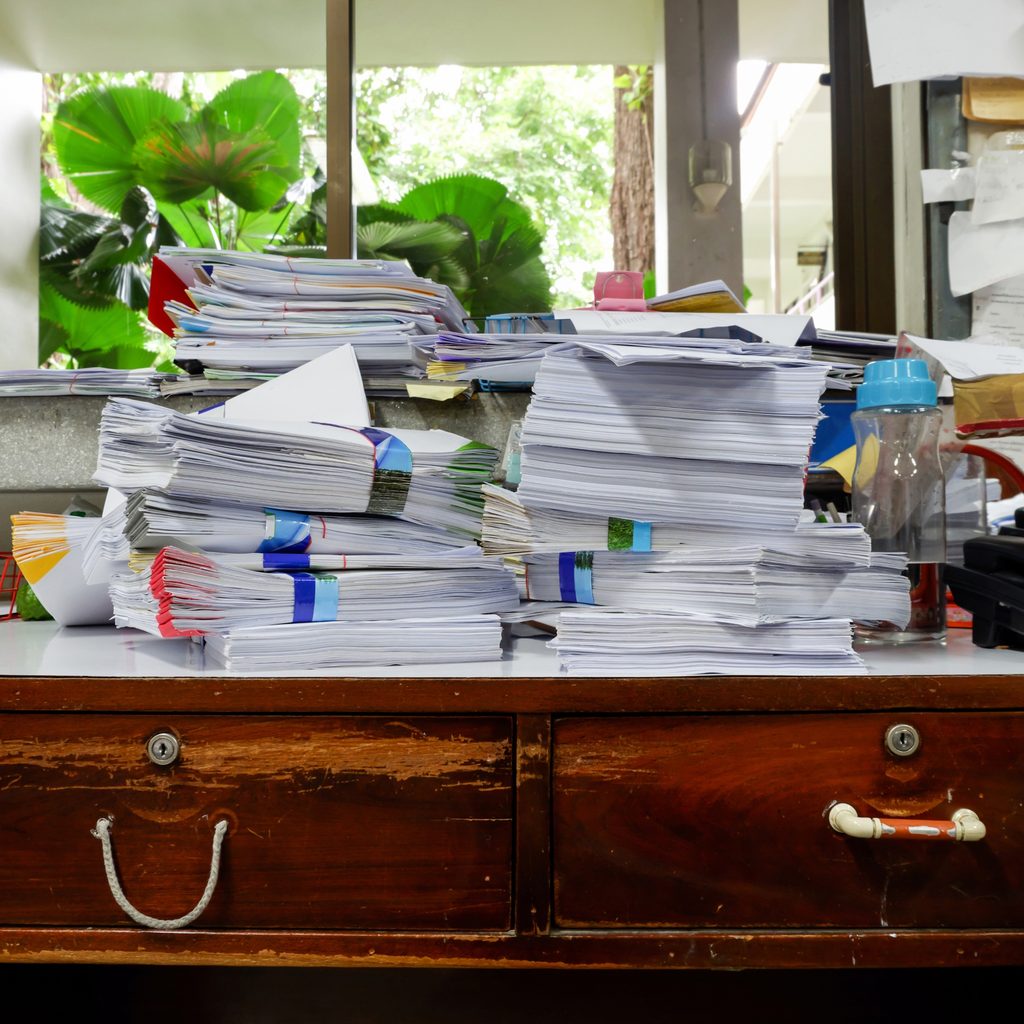
First things first, you have to cut the clutter. If you’ve ever ogled at those beautifully decorated homes on HGTV, you may have noticed that they often aren’t cluttered with dozens of items. Sure, these homes are fabricated to look appealing. But you may be surprised to find they can be just as functional, too!
In order to maintain an organized space, you need to reduce some of the items you’ve accumulated over time. Decluttering is a wonderful way to let go of excess materials that are taking up your space.
Do you have a Christmas gift from years ago that’s just collecting dust on the shelf? What about books you haven’t and will never read? Are there piles of papers in a corner in your office?
Decluttering can make a space feel more open and inviting. It allows for more room to breathe and move and makes a space look more like a cutout from a magazine!

Maintain a system
Instagram organizer Shira Gill has given amazing advice on maintaining an organizational system. She suggests that we try “corralling similar things together and creating a ‘home’ for them” in order to maintain our organized space.
What does this mean?
Having a “home” for your items means that each item in your house, from your car keys to your winter coats, has a designated spot. When you pick up your keys or use your jacket, you always put it right back where it came from.
For some people, this can be challenging. Your family members may not adopt this habit immediately, but it is a great habit to form. Things will no longer get misplaced or clutter up the table or floor. When everything has its place, it’s easier to maintain your home organization.

Utilize storage solutions
There are certain items in your house that you may want to hide or store away. But after some time, your closets and basement become unbearable to sift through, and you begin hating those spaces. Thankfully, there are ways to organize your things to make them easier to find!
Professional organizer Laura Cattano says that “the objective of getting organized isn’t to hide everything you own” necessarily, but to utilize what she calls “open and closed storage.”
Open storage is the idea of hiding things in plain sight. For example, let’s say that you love to host movie nights with your family, but you don’t want your remotes lying around the house in the open. You could buy a small decorative box and place the remotes in there. Or, you could purchase a nifty woven basket to hold your tech and gadgets.
Closed storage, on the other hand, is the storage you’d typically think of when you store things in closets or in your basement. These storage solutions are often used to house larger items or seasonal decorations in a way that keeps the clutter out of sight. And, of course, proper labeling can help keep this storage organized.
Both types of storage help to keep your organization controlled and readily available.
Have a filing system
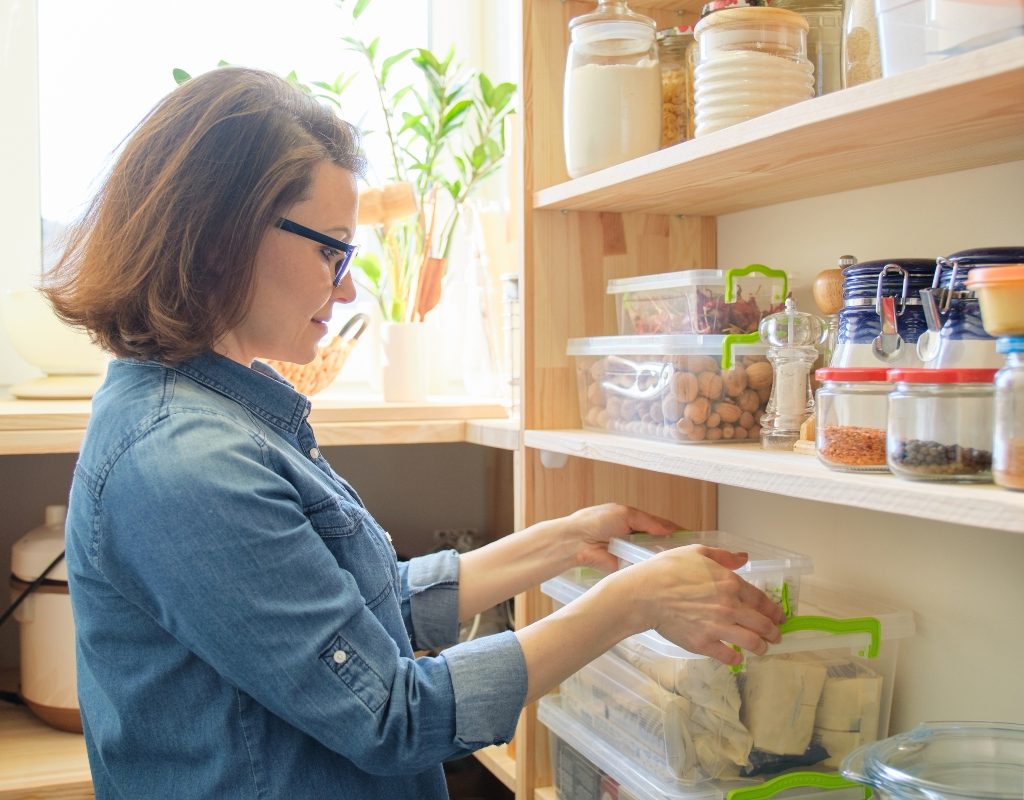
Remember those papers that are piling up in the corner of your office? It can be tempting to toss old mail, newspapers, school papers, and other files off to the side to be forgotten. The issue with this is that they pile up and become clutter in your space. And they certainly aren’t appealing to look at!
An easy way to resolve this is to have a filing system . Filing systems are different for everyone and reflect the needs of each individual person or family. Some people go the old-fashioned route and use actual filing cabinets for their important documents. Others, however, may opt for a smaller and simpler solution, like dedicated binders or folders that they keep on their desk.
Either way, having a system for your important documents is a must when it comes to adopting professional methods of organization.

If it’s broke, let it go
You know the quote, “If it’s broke, don’t fix it.” Well, while that ideology doesn’t work for everything, there is a certain truth in it.
A broken object that can’t be fixed should be let go. For example, if you’ve given it your all, but your old radio simply will not turn on, maybe it’s time to give it up. Broken things that we intend to one day fix often begin to clutter our homes and hinder our organization. Broken dishes, torn pillows, and ripped books may stay in our possession longer than need be.
Of course, a teddy bear with a missing arm may hold some sentiment for your child, and therefore it might be okay to let the item be the exception. However, as Marie Kondo expresses, if it doesn’t spark joy, get rid of it. More specifically, if it doesn’t spark joy and it’s broken beyond repair, let it go.
These professional organizer tips and tricks are not a full solution to an organized home, but they are a great start on your journey to implementing a more sophisticated and organized lifestyle. With a little bit of effort, you can mimic those lovely HGTV homes and create a clutter-free environment that you and your family can enjoy.