Non-stick pans are a common item in many kitchens. They’re a modern-day solution to prevent stuck-on messes and hard-to-clean cookware that allows many people more freedom and ease in the kitchen.
However, in the past few decades, there has been a great debate amidst the cookware industry about the ethicality and health impacts of non-stick pans. The most prominent non-stick component that has taken the front seat in this conversation is Teflon.
What gives a pan non-stick qualities
The main chemical that gives a pan its non-stick qualities is Teflon. Scientifically, Teflon is known as Polytetrafluoroethylene or abbreviated as PTFE. PTFE was invented accidentally by Dr. Roy Plunkett in 1938. What Dr. Plunkett discovered was that PTFE, or Teflon, was one of the most slippery substances known to humanity.
Further research also proved Teflon to be non-corrosive with an extremely high melting point. Due to this, it was quickly adopted as a non-stick coating for cookware.
What you need to know about Teflon
As mentioned above, Teflon is a common non-stick component of much of our modern-day cookware. Since its approval by the FDA in 1960, Teflon has gained much attention from households and cooks across the nation. While this attention was primarily positive in terms of the convenience that non-stick pans offer in the kitchen, much debate also arose.
In 2006, The New York Times published an article aptly titled “Teflon Is Great for Politicians, but Is It Safe for Regular People?” where author Alina Tugend dissected the harmful effects Teflon has on the environment as well as on the average home chef.
Tugend mentions a class-action lawsuit of the time against Dupont, the owner of the patented “Teflon.” The lawsuit was prompted by the people of West Virginia, who sought compensation for contaminated drinking water. This is because, during the manufacturing of Teflon, PFAs are released into the environment. In West Virginia, it was claimed that these PFAs contaminated drinking water and brought about adverse health conditions.
The science behind PFAs
PFA is a synthetic chemical often found in non-stick and waterproof coatings, such as Teflon. There are two types of PFAs, PFOS and PFOA, which have been proven to cause harm due to their inability to break down in the environment and human body.
Ecocenter.org has provided an extensive look into the effects of PFAs on cookware. Their article states that “one of the biggest markets for PTFE is coatings on cookware. PTFE-based pan coatings can release PFAS into the environment [including] through high-temperature cooking use.” While additional research is still necessary to understand the full extent of PFA pollution in our daily lives, some scientists have found that this chemical may contribute to liver disease, increased blood pressure, thyroid disease, asthma, and a heightened risk of testicular and kidney cancer.
Currently, the FDA still considers Teflon a safe material in cookware. At the same time, the EPA is continuing to perform research on the extent and environmental impact of PFAs. In 2019, the EPA enacted a Per- and Polyfluoroalkyl Substances Action Plan (PFAS) to eliminate PFAs in drinking water.
Alternatives to non-stick coating
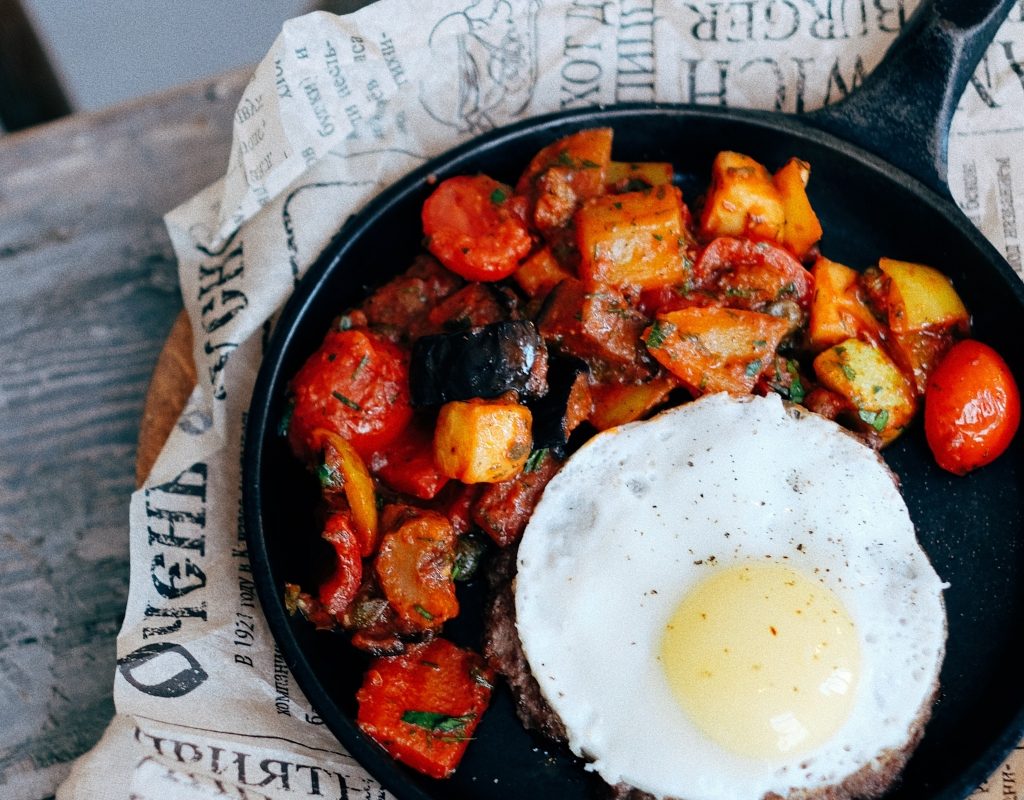
While there remains much debate over the ethicality of Teflon and PFAs within non-stick cookware, you can rest assured that there are alternatives you can use within your own home. Cast iron and carbon steel are fantastic alternatives to non-stick pans.
Cast iron
Cast iron can be “seasoned” to create a natural non-stick coating safe for you and your family. Many people favor cast iron because of its ability to retain heat and be used on both the stovetop and the oven. You can use this versatile pan for several different meals and, if properly cared for, the pan can withstand generations of family dinners.
Carbon steel
Carbon steel is a recent favorite amongst professional chefs. Like the traditional cast iron pan, carbon steel retains heat and allows for more versatility in the kitchen. The difference lies in its weight and material makeup. Carbon steel has more iron than cast iron and is typically lighter to carry. This makes it a wonderful addition to any home kitchen.
While scientists continue to study the effects of Teflon and PFAs, we can opt for simple alternatives like cast iron or carbon steel to ensure the safety of ourselves and our families. Knowing the impact of the materials you use in your kitchen can greatly benefit your space for years to come.