  1. Home
  2. Hacks & How-to's
  3. How tos

How to clean travertine tile: Step-by-step process to improve your stone flooring

Grimy-looking travertine tile? Here's how to clean this natural stone

Add as a preferred source on Google
Tiled floor with simple furniture and decor
Image used with permission by copyright holder

Your travertine floor tile is a striking addition to your modern kitchen. The material may be timeless and durable, but that doesn't mean you can neglect it. Caring for your travertine tile should be done on a fairly regular schedule and includes a few different levels and steps. We'll walk you through the process.
Difficulty

Moderate

What You Need

  • Broom or vacuum cleaner

  • Mop and bucket

  • Towels

  • Toothbrush

  • Mild dish soap

  • Baking soda

  • Natural stone cleaner

Tiled floor with simple furniture and decor
Image used with permission by copyright holder

How often should you clean travertine tile?

The problem with neglecting this type of tiling is that dirt and other debris — when left on the floor — get stepped on and pushed around. This causes tiny scratches on the sealed surface of the travertine material, which eventually leads to the material dulling or losing its luster.

It's recommended you sweep and mop as needed when the surface has visible debris present. Otherwise, you should also disinfect the floors on a monthly basis, and scrub the grout lines once every few months.
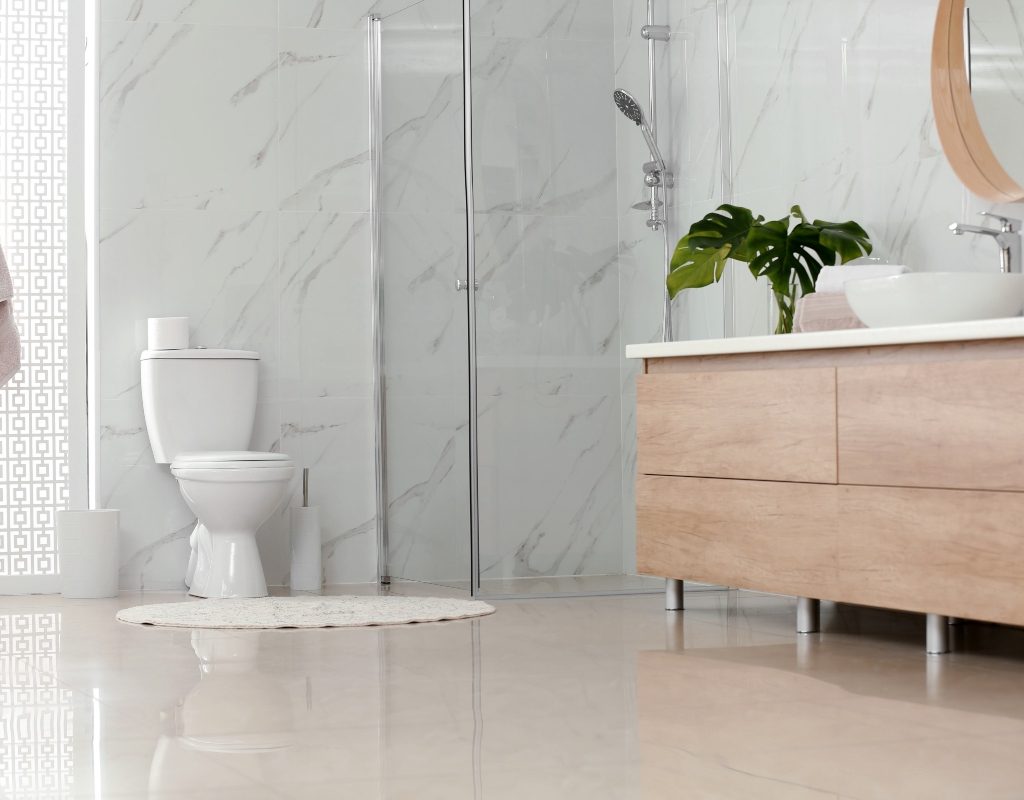
Modern bathroom floor tiles and cabinet
New Africa / Shutterstock

How to clean your travertine tile

Step 1: Vacuum or sweep the floor to rid it of any loose debris or small dirt particles.

Step 2: Use a wet mop to dampen the surface of the tiles. Make sure the mop isn't dripping wet but nearly completely wrung out, as the tiles should not be soaked too heavily or mold could grow under the grout.

Step 3: Grab a gallon-sized bucket of water and add a tablespoon of mild dish soap to it.

Step 4: Soak your mop in the mixture and wring it out well before moping the entire surface.

Step 5: Dump out the bucket and refill it with the same mixture before mopping a second time.

Step 6: Towel-dry the surface of the travertine tile floor before walking on it.
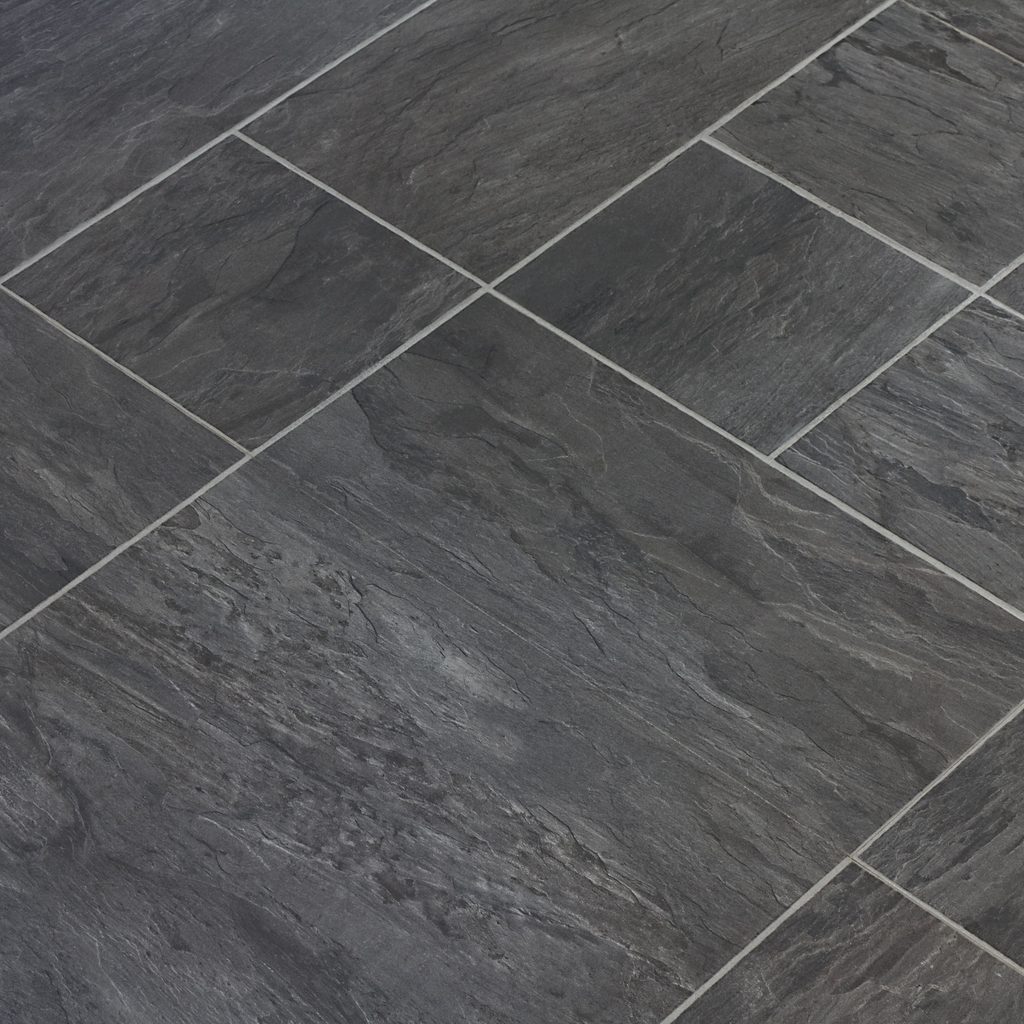
Stone design vinyl floor tiles
Image used with permission by copyright holder

How to clean travertine tile grout lines

Those grout lines often become black with dirt. They can be hard to clean, though, since the dirt sticks to the grout material so heavily. Here's how to get that grout looking fresh without damaging your travertine tiles.

Step 1: Grab a large bowl and mix one part water and one part baking soda.

Step 2: Mix up the ingredients until they form a paste that's gritty.

Step 3: Using a small brush — like a toothbrush — scrub the grout lines with the paste. Do this carefully so the abrasive paste and brush don't damage the tiling.

Mopping the floor
Image used with permission by copyright holder

Is there a specific travertine tile cleaner?

Travertine is a natural stone, so any stone tile cleaner recommended for granite, slate, or ceramic tiles will work well at cleaning tough grime or grout lines on your travertine tile. Be sure to read the label of any product before using it, and it's a good idea to test the cleaner on an unassuming spot of your floor to ensure there are no adverse effects.

Your travertine tile flooring creates a modern, clean look in your home, so you don't want it to be an eyesore. Debris, dirt, and grimy grout can sure put a damper on a clean-feeling kitchen or bathroom, so use this guide to keep your travertine floor tile sparkling like new.

veronicasparks18@yahoo.com
Veronica Sparks is a writer from Milwaukee, Wisconsin who loves writing about gardening, home décor, and DIY life. She’s…
The Easiest Way to Set the Table
Cutlery, Fork, Spoon

Have you ever wondered why the fork sits on the left and the knife on the right? Or why Europeans eat “Continental style,” holding the fork in their left hand and the knife in their right, while Americans cut, switch hands, and then eat? It turns out there’s a reason for all of it, and once you understand the history, setting the table suddenly feels far less mysterious. Before beautifully layered place settings and Pinterest-worthy tablescapes, dining was far more practical. Medieval feasts were less about etiquette and more about survival. Plates were often shared, forks were nonexistent, and eating with your hands was the normal standard. Tables were filled with trenchers (pieces of bread used as plates), and the idea of “proper placement” simply didn’t exist.

By the mid-to-late 1800s (around 1860–1870), European dining evolved again as meals began to be served in courses. This shift introduced what became known as the Russian style of dining, where utensils were laid out intentionally and used from the outside in. The fork stayed in the left hand, the knife in the right, and the table itself began to reflect structure, rhythm, and order. This approach eventually became the “Continental style” still used across much of Europe today.

Read more
5 tips to de-clutter your kitchen for the holidays
kitchen holiday

'Tis the season for holiday gatherings, which means your kitchen needs to be organized to avoid unnecessary stress. Here are some handy tips to follow.

1. Refresh your fridge and freezer

Read more
Color Drenching: The bold hue movement that is sticking around in 2026
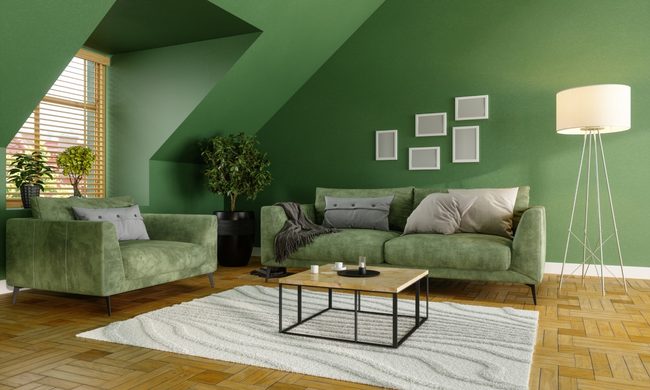
Green living room walls with velvet green sofas

What is color drenching?Color drenching is an interior design trend where a single color is used on every surface in a room. This includes walls, trim, doors, and even the ceiling, creating a cohesive and immersive atmosphere. The technique can make a small room feel larger or a spacious room feel cozier, and it often extends to furniture, radiators, and cabinetry for a bold, unified effect.

While the term color drenching is relatively new, the concept has deep roots in design history. The look can be traced to historic European interiors where monochromatic schemes added depth and luxury. Even in the Victorian era, richly saturated jewel tones were often used in grand spaces such as libraries and parlors. It reappeared during the 1960's and 1970's as well. Designers have long understood that a single, enveloping hue can create a striking sense of mood and continuity.

Read more