
The world we live in is filled with conveniences, which only increased during the pandemic. The best food delivery apps are wildly popular and are the epitome of modern convenience, delivering almost any food or grocery item to our doors at pretty much any time of day. According to emarketer.com, DoorDash was the most downloaded U.S. food and drink app in 2021, with 37 million downloads.
But while these apps are tempting to use, they have a few significant downsides, all of which are enough to make you reconsider using them altogether. If you’ve become accustomed to using food delivery apps, keep reading — you may start to think again about some of your food choices.
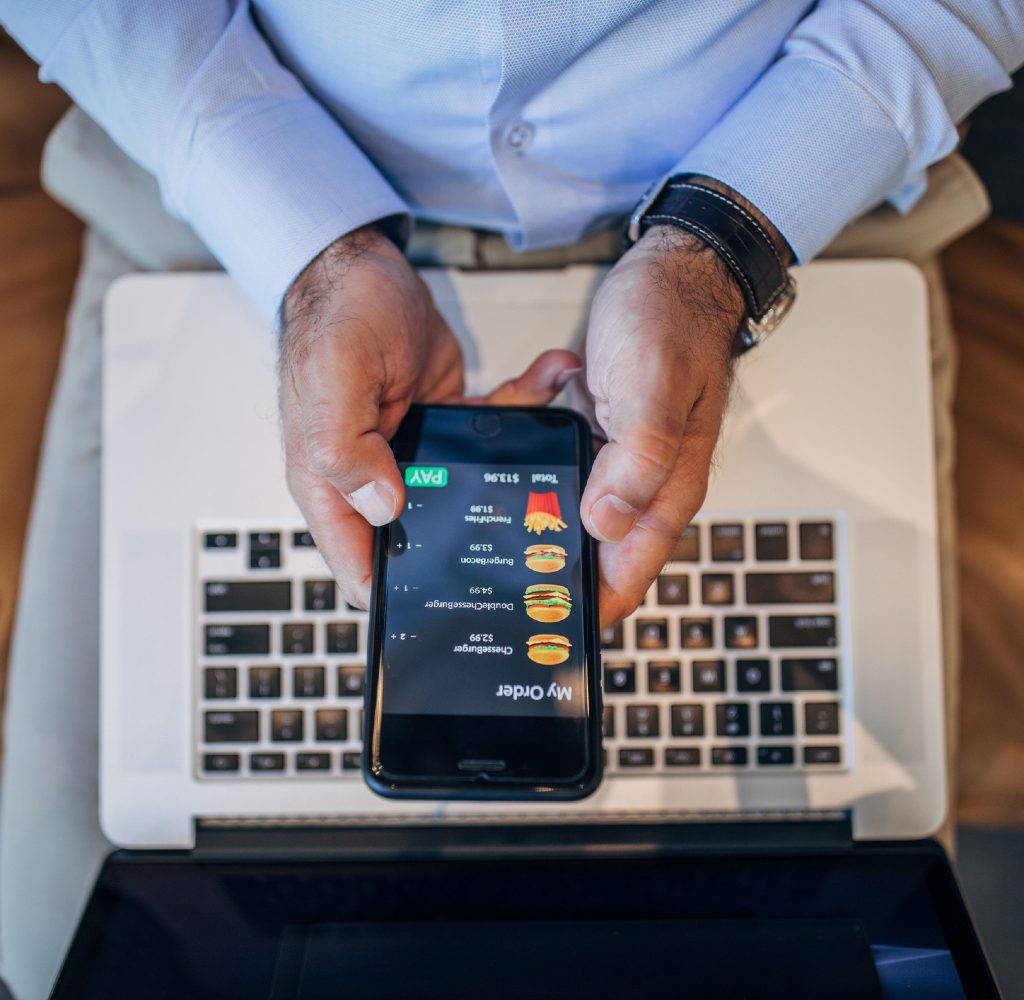
Food delivery apps don’t help restaurants
A couple of years ago, when stay-at-home orders were in place, it seemed like food delivery apps would be the saving grace for the restaurant industry. We all heard stories about takeout orders keeping the doors open at restaurants around town and were encouraged to place an order of our own.
However, somewhere during the explosion of food delivery apps, the apps started taking 20% to 30% commission rates for every order, according to eater.com. Add to that the fact that whatever tip you would typically leave for the restaurant worker who took and bagged your order now goes to the delivery driver, and the restaurant is in a lose-lose situation: Stick with the delivery app companies and be lucky to break even, or ditch the apps and get left behind in an age of convenience culture.
They don’t help your diet, either
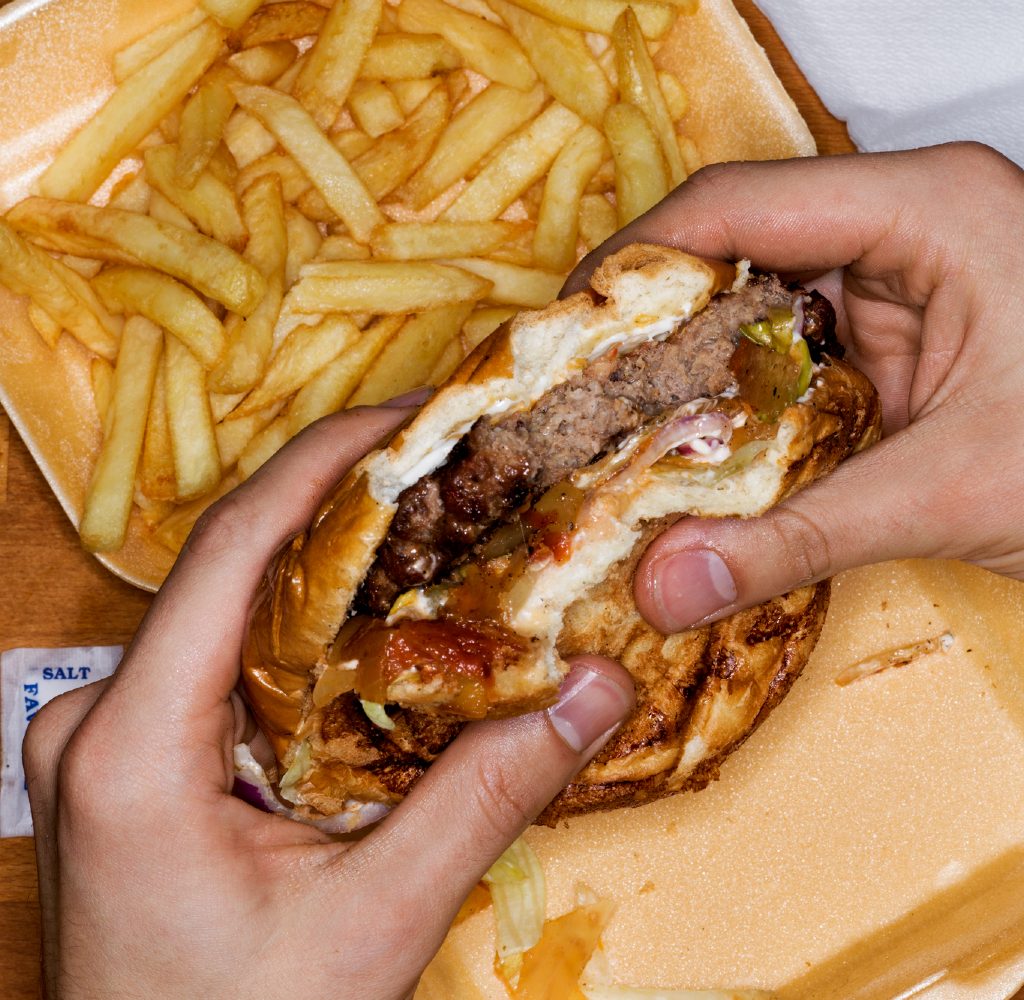
According to ncbi.gov, digital orders have grown 23% over the past four years. Among the millions of Americans that prefer a food-delivery platform over other methods of eating dinner, many do not realize that “the frequency of eating food from outside of the home is positively associated with a high body mass index.” When you consider these facts along with the prevalence of ordering from fast-food restaurants like McDonald’s, Domino’s, and Taco Bell, it’s no wonder people who use food delivery apps frequently are developing worse and worse eating habits.
Meals from typical fast-food restaurants are high in saturated fats, sodium, and calories. These companies spend tons of money marketing to the delivery app you’re thinking about ordering dinner from. The second most downloaded U.S. food and drink app in 2021 was McDonald’s, with 24 million downloads.
Why you should cook at home instead
The list of reasons to cook at home rather than ordering food out is extensive.
At-home cooking is healthier
In general, cooking at home is healthier in every way imaginable. According to helpguide.org, preparing meals at home can give you more energy, improve how you sleep, sharpen your mind, fight cognitive decline, and decrease your risk of Alzheimer’s.
At-home cooking is less expensive
In addition to the multiple health benefits of cooking at home rather than ordering out for dinner, you’ll save a ton of money. Shopping for ingredients and preparing your own pizza rather than using a food delivery app to deliver Domino’s will save you a ton of money in delivery fees and food costs. It will probably also be quicker too — the more popular they get, the longer food delivery apps take to deliver meals.
The next time you’re craving chicken, try out one of these recipes instead of using DoorDash to have fast food delivered. You’ll feel better both physically and mentally and won’t regret it.
Food delivery apps are a modern convenience that are nice on occasion. But far too often, these apps are taking over our eating lives. We get it: The luxury of being able to order almost anything at any time and have it show up at your door from the best food delivery app is tempting. There are plenty of reasons to stay in your pajamas and order that burrito, but there are even more reasons to get dressed, shop for ingredients, and make a fiesta out of dinner this evening.
Skipping the delivery app will save you a bunch of money on fees, tips, and food prep costs, and cutting down on fast food is a healthier choice by far. Even ordering from a restaurant rather than a fast-food chain has similar downsides. Cooking at home allows you to control the ingredients you’re eating, from the quality of the ingredients to the amount of seasoning. And, if you’re lucky, you can turn dinner prep into an opportunity for family bonding or an impromptu date night. So next time you think about using a food delivery app, do yourself a favor and head to the pantry instead.