We’re all used to the routine. We go to Costco with a set shopping list (and somehow end up buying twice as much stuff), wait on the checkout line while debating if we should opt for that sweet, inexpensive hot dog combo (the answer is almost always yes), and then fork over our receipt to the worker at the door so they can check our stuff before letting us leave. (And maybe there’s a detour to pick up glasses, meds, or tires along the way.)
It’s a tradition for most homeowners and bulk shoppers, but there are a lot of questions about Costco receipts: What do the different colors mean? Do you need Costco receipts for returns? And just why does Costco check receipts anyway? We’re here to answer all your burning questions.
What do the different color Costco receipts mean?
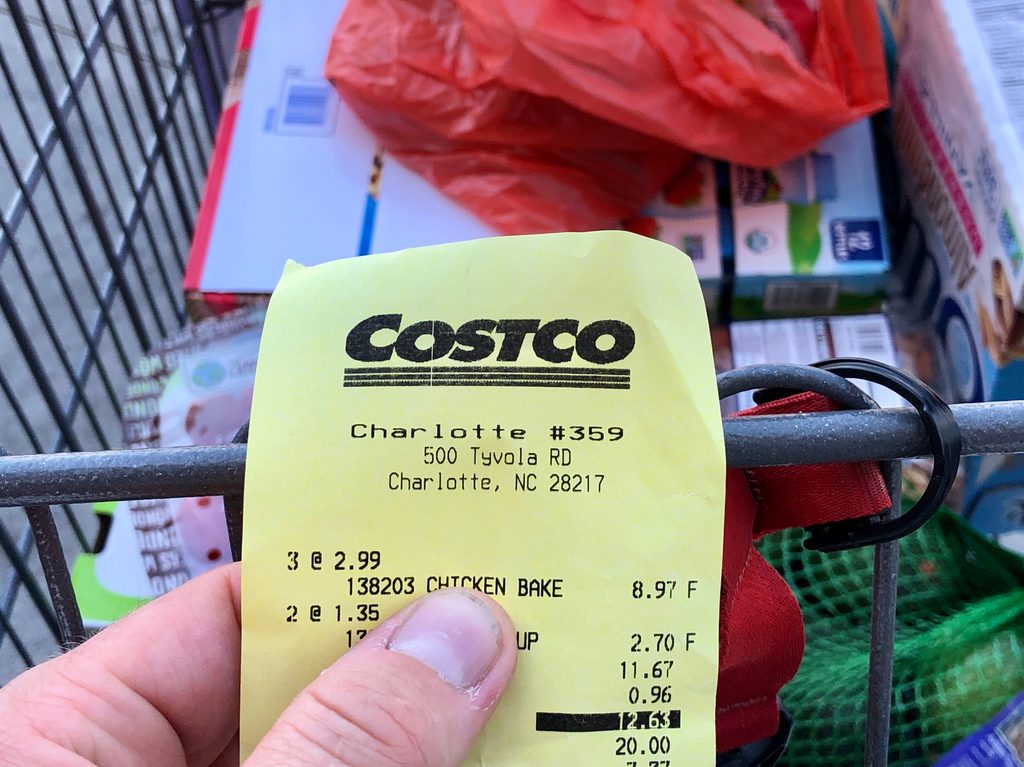
While you might be used to the usual white receipt when you go to Costco, you could end up with yellow, blue, or green receipts, too. What do the different colors mean? Costco enthusiasts have been discussing this for ages, but generally speaking:
- A white Costco receipt means you went to the main cashier checkout.
- A green Costco receipt means you made a return.
- A blue Costco receipt is for self-checkout or the food court kiosk.
- A yellow Costco receipt is for the food court, optical center, pharmacy, tire center, or photo center.
(And yes. We have gone to Costco and gotten all four colors in one day on occasion.)
Why does Costco check receipts anyway?
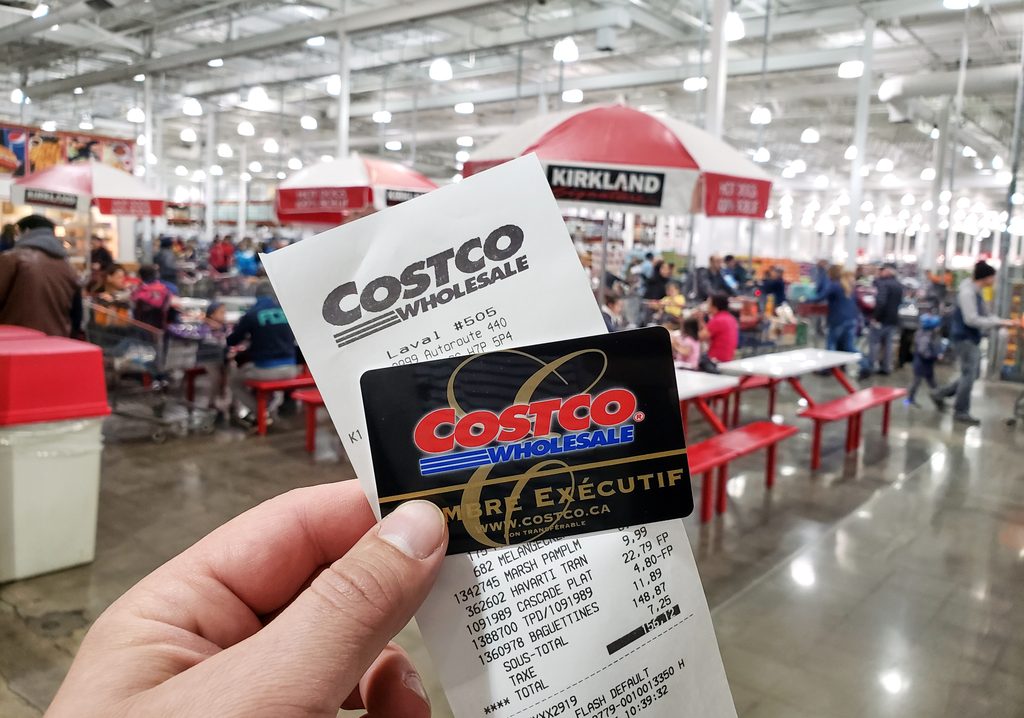
Do you ever wonder why Costco checks your receipts at the door? While the most common answer from Costco shoppers is “to prevent theft,” that’s not the whole answer. (And let’s be honest: We all buy so much stuff that if Costco workers were checking every item, we’d be stuck standing there for hours.)
According to the company’s website, it’s to make sure that your items were correctly processed by the cashiers. “It’s our most effective method of maintaining accuracy in inventory control, and it’s also a good way to ensure that our members have been charged properly for their purchases,” the website states.
Costco employees elaborated to Business Insider that they’re looking for a code on the receipt that changes every day to ensure the receipt was printed that day; the item count to check for under or over charges; high-end items (which require a supervisor’s initials); and that large items like tissues and water (aka the stuff you dump underneath the cart to avoid filling the basket too quickly) weren’t overlooked.
Do you need a receipt to return at Costco?
You get home from your shopping trip, unload your bags, and realize you’ve bought the wrong laundry detergent or the shirt you picked up didn’t fit. But by the time you go to return the items, you can’t find your receipt anywhere. Do you really need it?
While it’s helpful to have the receipt handy to speed up the process, it’s not always necessary, according to Costco. The nice thing about a membership-based store is that all of your purchases are linked to your membership, making it easy for store employees to look up your past orders. And if the purchase was made within the last two years, you can look it up and print the receipt yourself using your Costco.com account. (Bear in mind, of course, that while Costco has a pretty liberal return policy, there are exceptions and limitations.)
So there you have it: The next time you’re leaving your local Costco, staring at your receipt, you’ll have all your questions answered.


