Hiring an interior designer can give your home the attention it needs to look stunning and inviting. Interior designers have a keen eye and many connections that can make for a hassle-free remodel. But how much does an interior designer cost? And is it worth it? We weigh in.
What does an interior design do?
Depending on your project needs, an interior designer can help you create the perfect atmosphere for your room or aid you in a complete overhaul.
Interior designers help you to:
- Configure the proper layout for your room
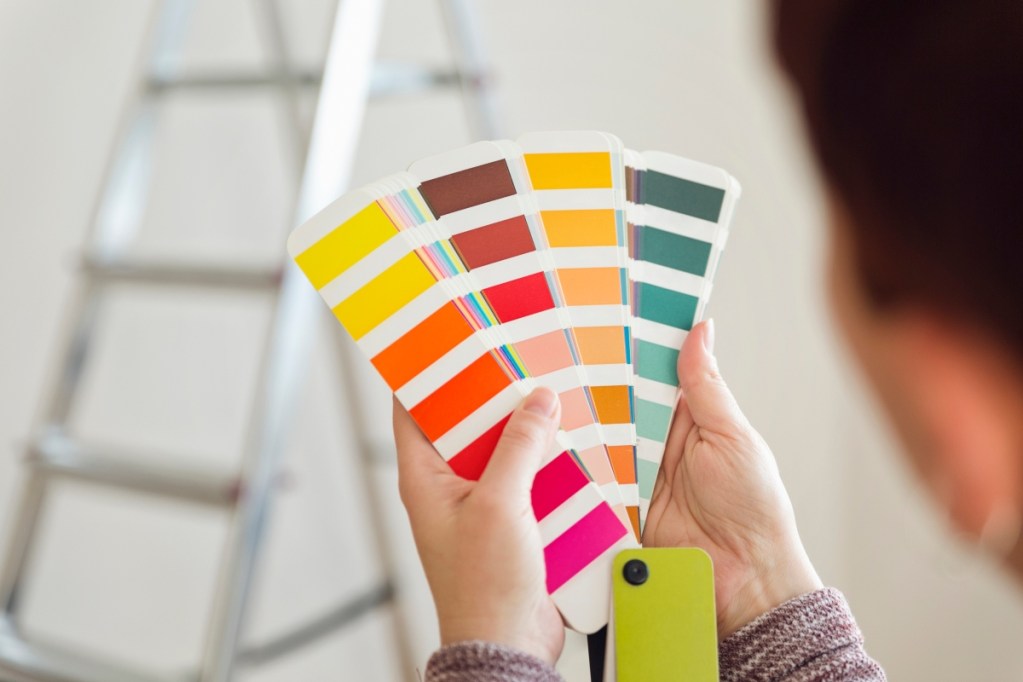
- Choose the right color palette for your design
- Help you choose fabrics, textiles, and accent materials
- Pick the right hardware for your project
- Choose pieces in the proper sizes
- Find great deals on furniture
- Help you snag deals on custom details
- Hire professionals to help with renovations and installations
Interior designers know the home improvement industry really well and can help homeowners connect with carpenters, builders, masons, and more to complete any kind of renovation. For example, if you’re looking to transform your kitchen, an interior designer can help you find the right place to purchase countertops or custom cabinetry.
Additionally, interior designers can tackle some of the more complex aspects of renovations and redesigns, such as:
- Contacting or finding local plumbers, electricians, and contractors
- Managing the budget
- Ordering furniture and pieces that may not be available to the general public
While you can DIY your home renovation or revamp, interior designers bring expertise and industry knowledge that can help you save money and end up with a gorgeous result.
What to expect when working with an interior designer
First, you’ll schedule a meeting with your interior designer to cover your goals for the project, answer any questions, and discuss your general vision, likes, and dislikes. You may attend a few consultations before the designer begins drafting up some design plans for you. Then, the designer will share the design plans, and you will enter the revision process.
Once the design has been revised and you’ve settled on a specific plan, your designer will begin helping your source materials, products, and professionals to turn your dream space into a reality. After everything is sourced, your designer will decorate and stage your home.
Some online designing agencies may not stage your home. Instead, you might expect materials like rugs and furniture to be shipped to your door to put up at your own leisure, following the designer’s guidelines.
The average cost of an interior designer

The cost of hiring a professional interior designer ranges from $2,000 to $15,000, with the 2025 average being $8,500. However, this cost will vary greatly depending on your location, the project scope, and the designer you choose.
Interior designers charge their services in a few different ways.
Hourly rate
Some designers charge hourly, with entry-level typically priced at $50 to $100 per hour, while senior-level designers may charge $500 or more per hour. This includes consultations, design drafting, reviewing, sourcing, and staging.
Per square foot
Other designers charge per square foot. Depending on the scale of your project, the overall cost can vary greatly. However, you can expect to spend $5 to $15 per square foot, on average.
Flat rate
Some interior designers prefer a flat rate. According to 2025 data, this average is anywhere from $2,000 to $15,000, though the actual price could be more or less, depending on your designer. It’s also common for designers to charge an upfront fee of 30% of the total cost before they fully begin their work.
Commission
If your interior designer makes money off of commission, they can receive 10% to 40% of the overall cost of materials. Some designers make commissions with certain brands on top of a flat or hourly rate.
Percent of project total
It’s also fairly common to meet designers who charge based on the percentage of the project total. If your designer charges 25% and you spend $10,000 on a remodel, they would make $2,500.
Factors that may affect your project costs

Project costs can change depending on several factors. Here are some things to consider before finding the right designer for you.
Scale and square footage of the design
The scale of your project will impact your budget. Some designers will charge per square foot when designing more than one room. You can expect to pay less if you only redesign a bedroom or office. If you choose to redesign your entire entertaining space, kitchen, dining, and living area, you can expect your budget to rise.
Scope of the project
Some designers will aid homeowners in a full remodel. If you’re undergoing a complete kitchen remodel or plan to tackle an extensive renovation project, your costs will increase.
Location
Designers in cities tend to charge more than those in rural areas. Additionally, interior designers in Los Angeles, Chicago, and New York will have some of the highest prices in the country.
Your current budget
Your existing budget will impact the amount of time and work put into your project. You will share your budget with your designer before you two begin working on your remodel. A lower budget could mean you’ll need to find a junior designer or shrink the scale and scope of your project.
The expertise of the designer
As mentioned above, entry-level designers will be more affordable than senior-level designers. Keep in mind that expertise can significantly impact your design, as skilled designers will have many connections to the best deals and sourced materials. However, newer designers can be a more budget-friendly option.
Choosing a designer is more than just considering the costs. You’ll also want to pick someone who blends well with your existing design style and remodel vision. Having good communication with your chosen designer is also a must. Be sure to ask many questions during the introductory meetings to ensure they’re a good fit.