Cast iron pans are a common kitchen essential for many home cooks. However, another pan that these cooks may be unaware of could be more preferable. Carbon steel pans are a hot commodity in professional kitchens since they perform in many of the same ways cast iron can, only they do it better. From managing the perfect sauté to creating an even sear, carbon steel pans have become a quick kitchen favorite.
Whether you’ve heard of carbon steel or not, knowing how this cookware item can transform your kitchen experience is a must. We’ll tell you exactly what carbon steel is and why the pros say they’re the only pans they’ll reach for.
What is a carbon steel pan?
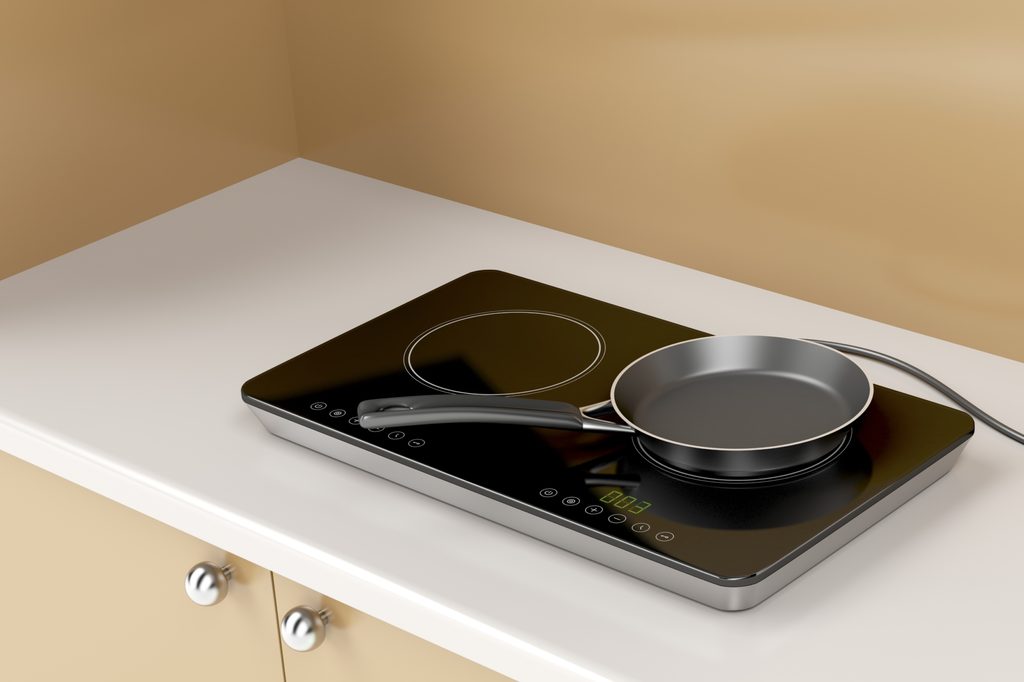
Carbon steel pans are made with carbon and iron, much like the traditional cast iron pan. However, the difference between these materials lies in the proportion of iron to carbon. Carbon steel has a greater amount of iron to help even out the grain of the metal.
You might have noticed that every pan in your kitchen contains a metal grain structure. This grain determines the overall performance and durability of your pan. Since carbon steel pans contain more iron, their metal grain is more uniform and stronger than their cast iron counterpart. This allows them to distribute heat effectively while also maintaining their durability.
What makes a carbon steel pan better than cast iron?
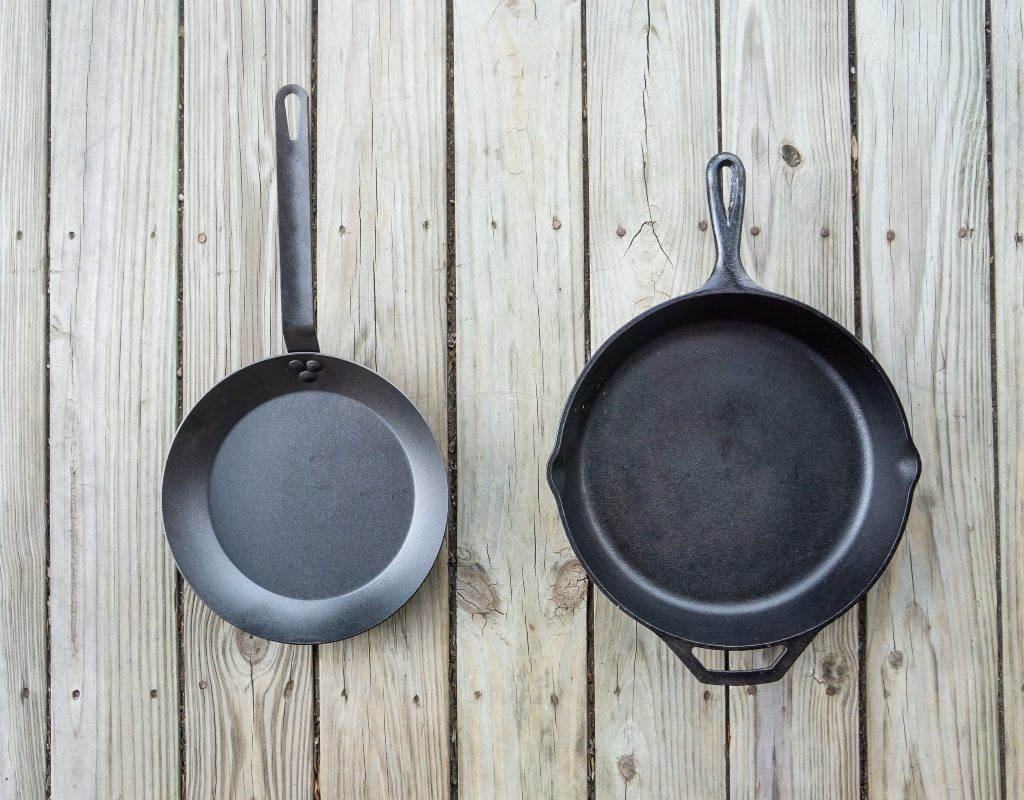
The most significant difference between carbon steel and cast iron is the ratio of iron to carbon needed to make each pan. Cast iron pans contain a greater amount of carbon, making them more brittle than the near-indestructible carbon steel material. This is mainly because the higher amounts of carbon don’t allow for a smooth, even grain.
While both pans distribute heat effectively and develop a natural, non-stick surface, carbon steel is often much lighter and more durable than traditional cast iron. For example, a typical cast iron pan weighs, on average, eight pounds, while a carbon steel pan weighs five.
This makes carbon steel pans more optimal for busy restaurant kitchens that require speed, efficiency, and durability.
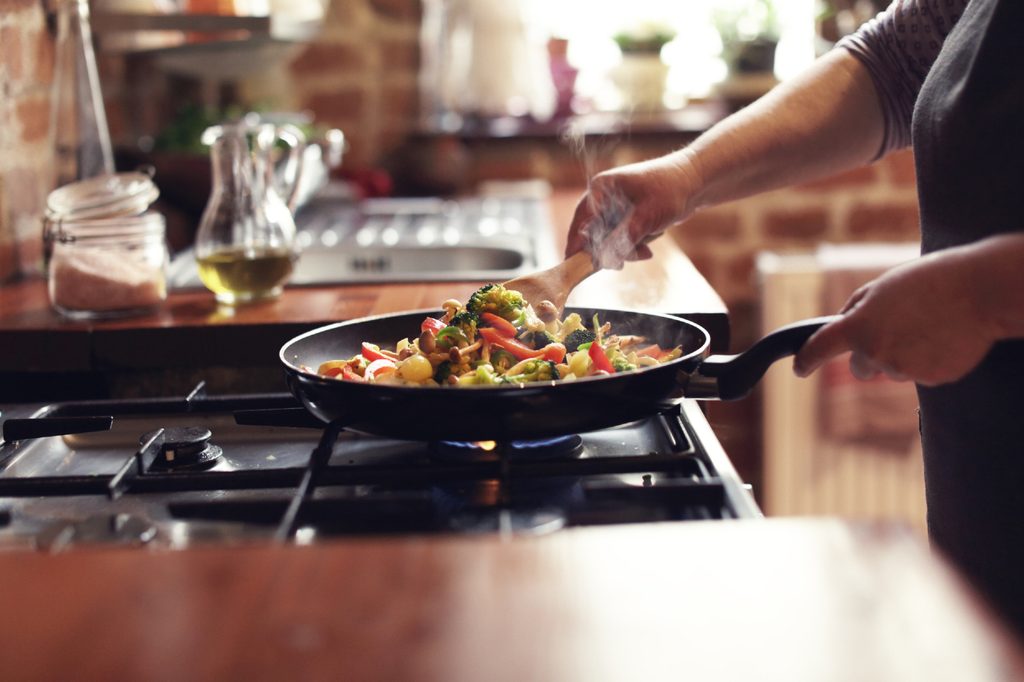
Here’s why the pros prefer carbon steel
Many professional chefs will opt for the convenience carbon steel pans offer in their kitchen.
They’re durable
The most remarkable aspect of a carbon steel pan is its durability. Due to the higher concentration of iron, the pan is much stronger than a brittle cast iron pan.
This durability makes them perfect for professional and non-professional kitchens because there is no worry that something might break or malfunction during cooking.
Provides a non-chemical non-stick quality
While carbon steel pans require seasoning just like cast iron pans, the process is often much safer. Traditional stainless steel pans are given their non-stick qualities through the use of Teflon. The safety and health concerns of Teflon have been debated for many years since the material has been proven to release chemicals called PFAS into the environment, most notably during manufacturing.
Due to this controversy, it’s no wonder that many professional chefs would opt for a pan that has a more natural non-stick coating. While carbon steel requires time and proper care to be well seasoned to have a non-stick layer, the process is often chemical-free and offers more peace of mind to the chef.
Offers a better sear
Since the grain on carbon steel pans is far more uniform than cast iron or stainless steel, it is easier to obtain a better sear on meats and other cuisines.
Cast iron has a brittle, rough texture that doesn’t distribute heat evenly. In contrast, a carbon steel pan is smooth in texture, allowing the heat to disperse thoroughly over the surface. This provides a better sear on steaks or evenly cooked vegetables for your stir-fry.
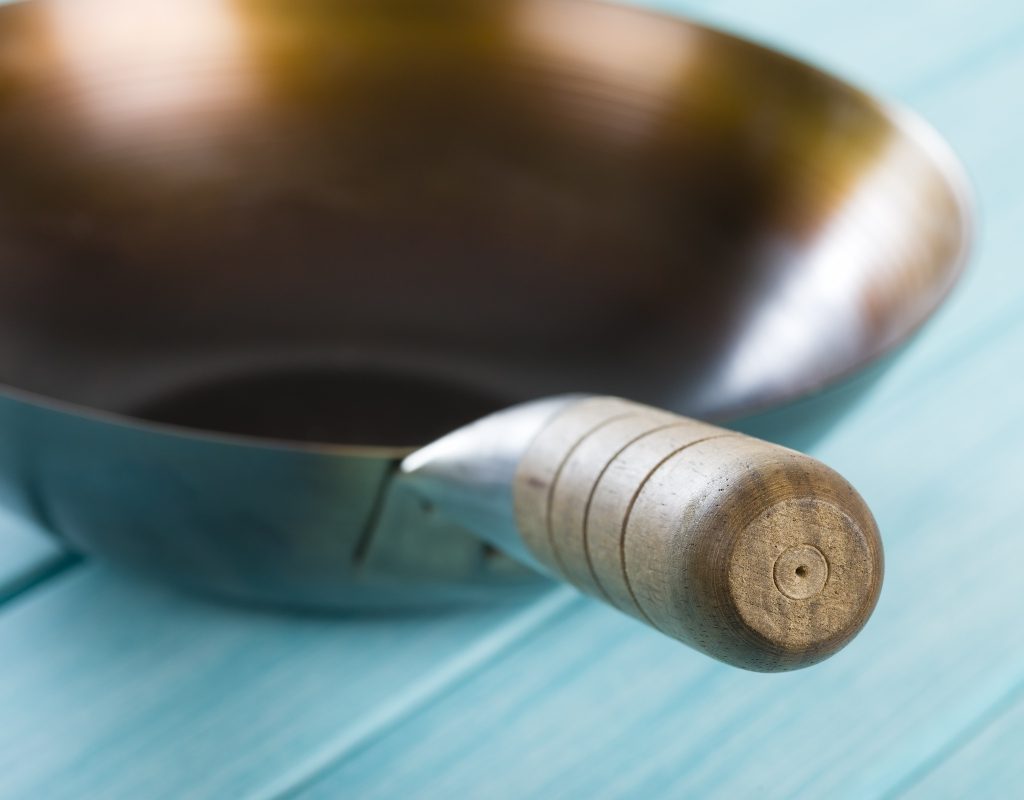
How to care for your carbon steel pan
If you’re interested in bringing a carbon steel pan into your kitchen, understanding proper maintenance is critical. Like cast iron, carbon steel also needs to be seasoned.
To season your carbon steel pan, you can follow a similar process that you would use for cast iron. First, wash your pan with your preferred method. When it’s time to dry, you should avoid leaving carbon steel to drip-dry, as this will cause it to rust. Instead, heat your pan on the stovetop or in the oven until the moisture has evaporated.
When it’s time to season, get a small towel and some light oil and rub the oil around the pan. Then, bake the pan in the oven for about one hour at 350 degrees. This will allow the oil to form a thin barrier on your pan, coloring the carbon steel light brown. That’s the seasoning! This will help maintain the non-stick feature of your pan and allow you to use it for many meals to come.
While cast iron pans and carbon steel pans share many similar features, it can be handy to have both available in your kitchen to serve different functions. Whenever you find yourself needing to toss vegetables or prefer a lightweight and durable pan, opt for the carbon steel pan pros recommend.