Aqua gardens have been around for centuries. They are picking up popularity these days, with new spins and innovative ideas that add to this classic style of gardening. Aqua gardening can come in a variety of designs, methods, and styles. There are outdoor ones, indoor ones, big ones, and small ones. They can be a great addition to your backyard or inside your home. You will love how many options are available and how fun it can be to have your own aqua garden.
What is an aqua garden?
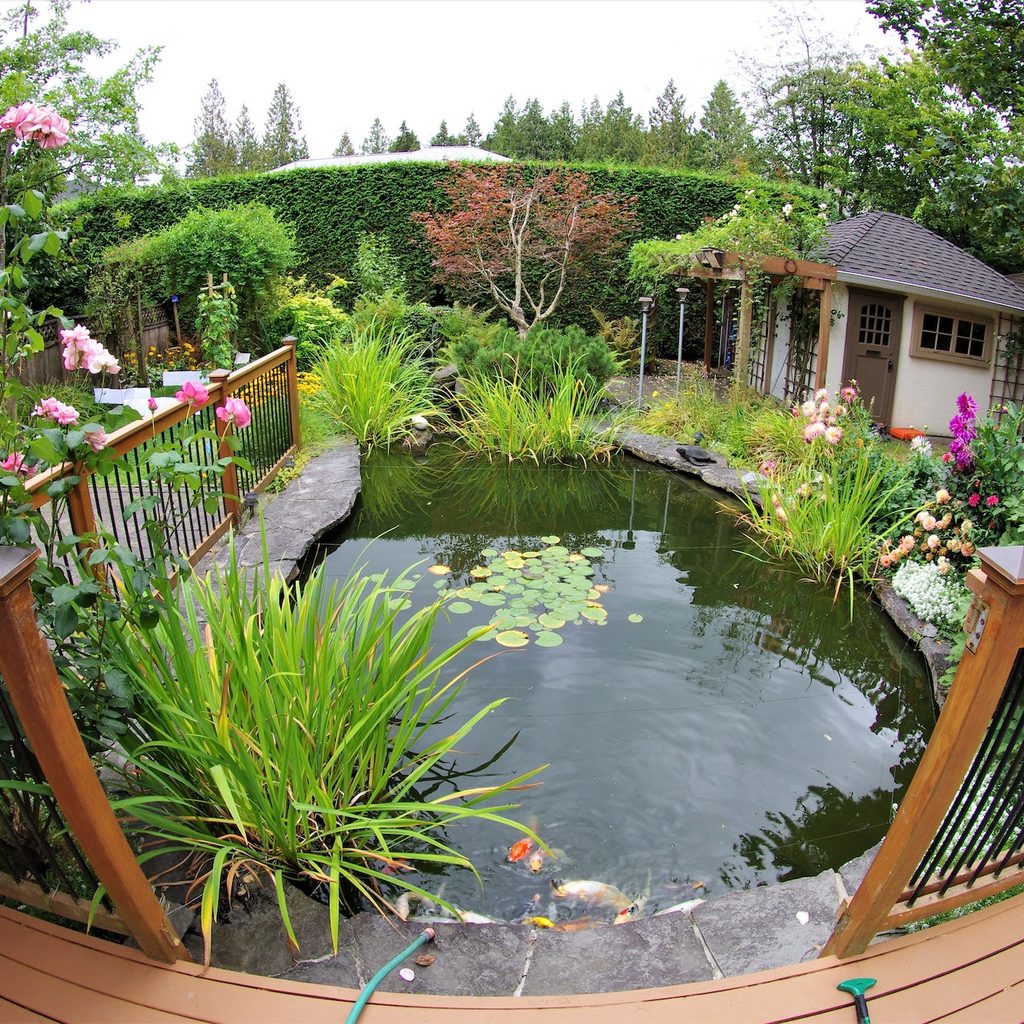
Aqua gardens, or water gardens, are water features with accompanying aquatic plants. The main benefit of an aqua garden is that it requires little to no maintenance. Aquatic plants are tough, durable plants that can handle that type of environment. Planted Well lists great plants for your aqua garden. There is also no need to water these plants since they live in it. You never have to worry about overwatering or underwatering again. Aquatic gardens will provide you with a calming, tranquil place to meditate and relax. You will love how beautiful and fun these gardens are to design, create, and maintain.
Getting started
If you are set on getting an aqua garden, you have to choose between different designs, materials, and methods to design one that will bring you a beautiful, watery oasis.
Indoor aqua garden
Indoor aqua gardens are typically more affordable and much smaller than outdoor aqua gardens. They can be a quick DIY project, or you can buy a water garden container online to fill with water and plants. If you have an old fish tank or a clear glass bowl or vase, you can easily turn it into a fun, creative water garden. You can do something simple, like put beautiful stones on the bottom, add some water lilies or other aquatic flowers, and then fill it with water to finish the project.
Another option is to buy an aqua garden container. These containers sometimes have more moving pieces, like a filter or a little waterfall for a calming water sound.
Outdoor aqua garden
If you want an outdoor aqua garden, you may need to spend a little more money and time designing it. These gardens require more construction, so if you don’t feel comfortable tackling the job yourself, it may be best to hire someone to build it for you. Despite the extra time and money, outdoor aqua gardens can add a stunning feature to your backyard.
Big or small
The size of your aqua garden is dependent on the space you have. Ensure that your aqua garden is big enough to enjoy, but that it can fit comfortably in your ideal space.
Types of plants
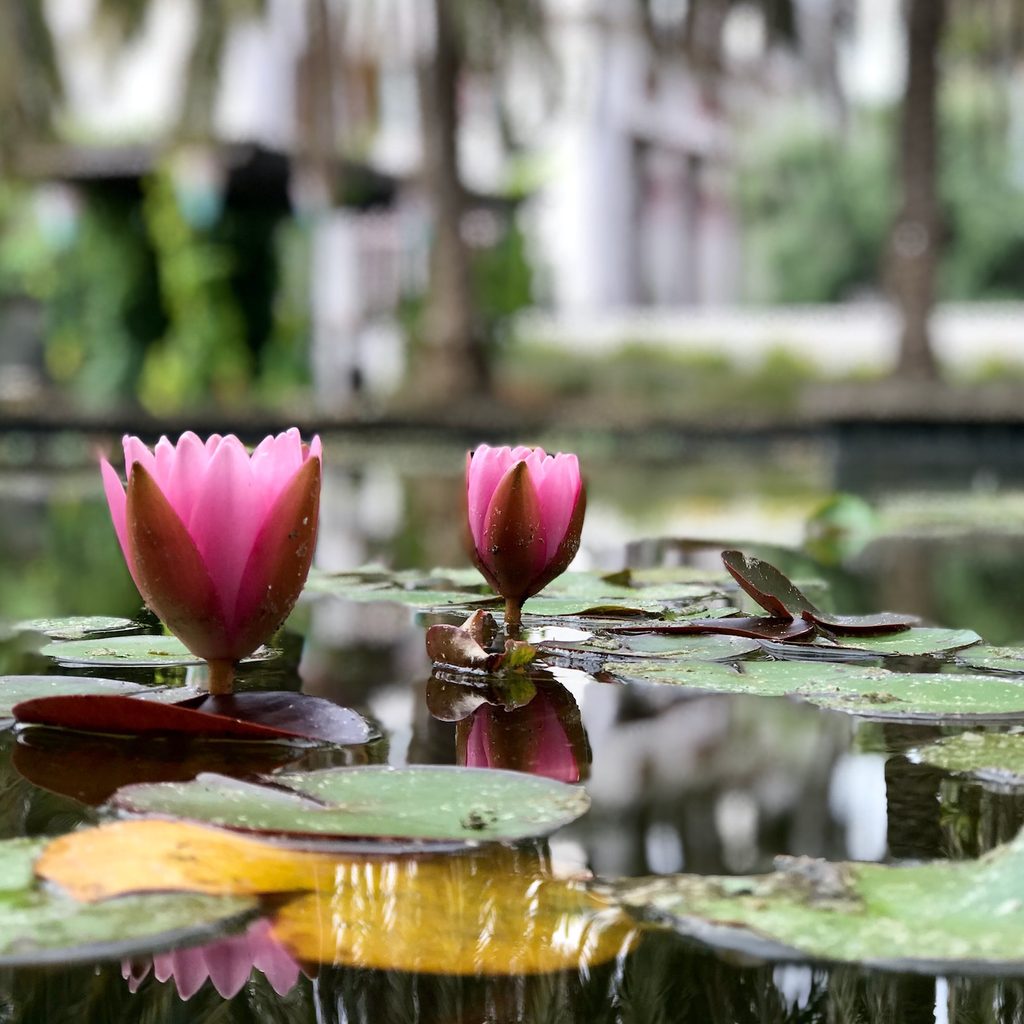
One of the most fun parts of getting your aqua garden started is picking out your favorite plants. Aquatic plants are durable, strong plants that are built to be outside in water. They do amazingly well in indoor aqua gardens, too. You can choose from flowering plants or bright green ones. Some great aqua garden plants to look into are water lily, hornwort, iris, cattail, arrowhead, lotus, mosquito ferns, water-clover, featherfoil, and shining pondweed.
Build it yourself or hire someone
When it comes to an indoor aqua garden, it is best and easiest to design and create one yourself. It is so easy to do. All you need is a glass container, some beautiful rocks or stones, and your favorite aquatic plants.
Outdoor aqua gardens, however, may be easier to create with a professional to help. Outdoor aqua gardens typically require digging, lining, stone application, and filling. Once the structure is complete, you can put your own spin on it. Add your favorite plants, statues, stone features, koi fish, or frogs to bring your aqua garden to life.
Maintenance
Even though aqua plants are easy to care for, there is still some maintenance required for aqua gardens. For simple, indoor gardens, water changes and container cleaning is all you will really need to keep your plants healthy. For outdoor aqua gardens, a bit more maintenance is required. Filtration systems help keep your outdoor water clear, so you may need to do monthly filter cleanings. Additionally, some chemicals may be required to avoid any algal blooms or unwanted bacteria.
Who should get an aqua garden?
Aqua gardens are for anyone who has the space, creativity, and passion for it. They are for anyone who wants to bring a beautiful water feature into or around their home. There are so many great options available for aqua gardens, so anyone can get one. Indoor, smaller ones are perfect for people who don’t have the time to tend to larger ones. Outdoor aqua gardens are great for anyone who wants to dedicate a little bit of time, money, and energy to creating a beautiful outdoor oasis.
Aqua gardens are trending, thanks to new methods and styles to bring a little water to your home. You will love how fun and creative you can be when designing your own aqua garden. The aquatic plants available to you are beautiful, unique, and interesting, and they will surely make a statement in your home. You will love how easy it is to keep your aquatic plants thriving. No matter what style or size you choose, an aqua garden will help bring a calming, meditative feel to any part of your home.
Want more? Read on further to learn how to DIY a rock garden for your yard or patio.


