Organizing dresser drawers doesn’t have to be a chore! While it can seem daunting at first — compacting, pairing like items, and finding a way to make everything neat and stylish — there are a few key ways that can make organizing a dresser drawer a fun challenge.
Use drawer dividers
One of the best ways to organize dresser drawers is through the use of drawer dividers. Thankfully, there are several drawer dividers out there that you can purchase. However, you can also go the DIY route and make your own!
Old cardboard boxes can be cut into small strips and connected to create dividers that fit your drawers. If you want to spice up the appearance of the divider, you can add washi tape
There are many ways to lay out your dividers depending on what you intend to organize within your drawer. Creating a simple strip divide is great for sectioning your drawer into one or two parts. You can also create cross divides to make four to six individual sections. Additionally, you can create a cross-lattice divide to organize smaller clothing items like socks or underwear.
Ultimately, it’s up to you how you wish to divide and organize the space. While buying an online divider is quicker and often more appealing to the eye, cardboard dividers are cheaper to make and offer a “fun” aspect to organization!
Organize by color
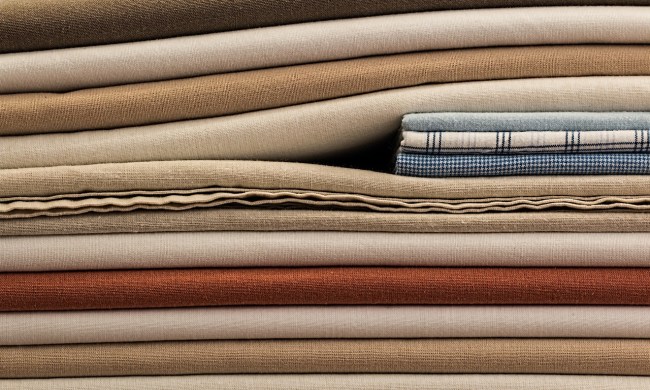
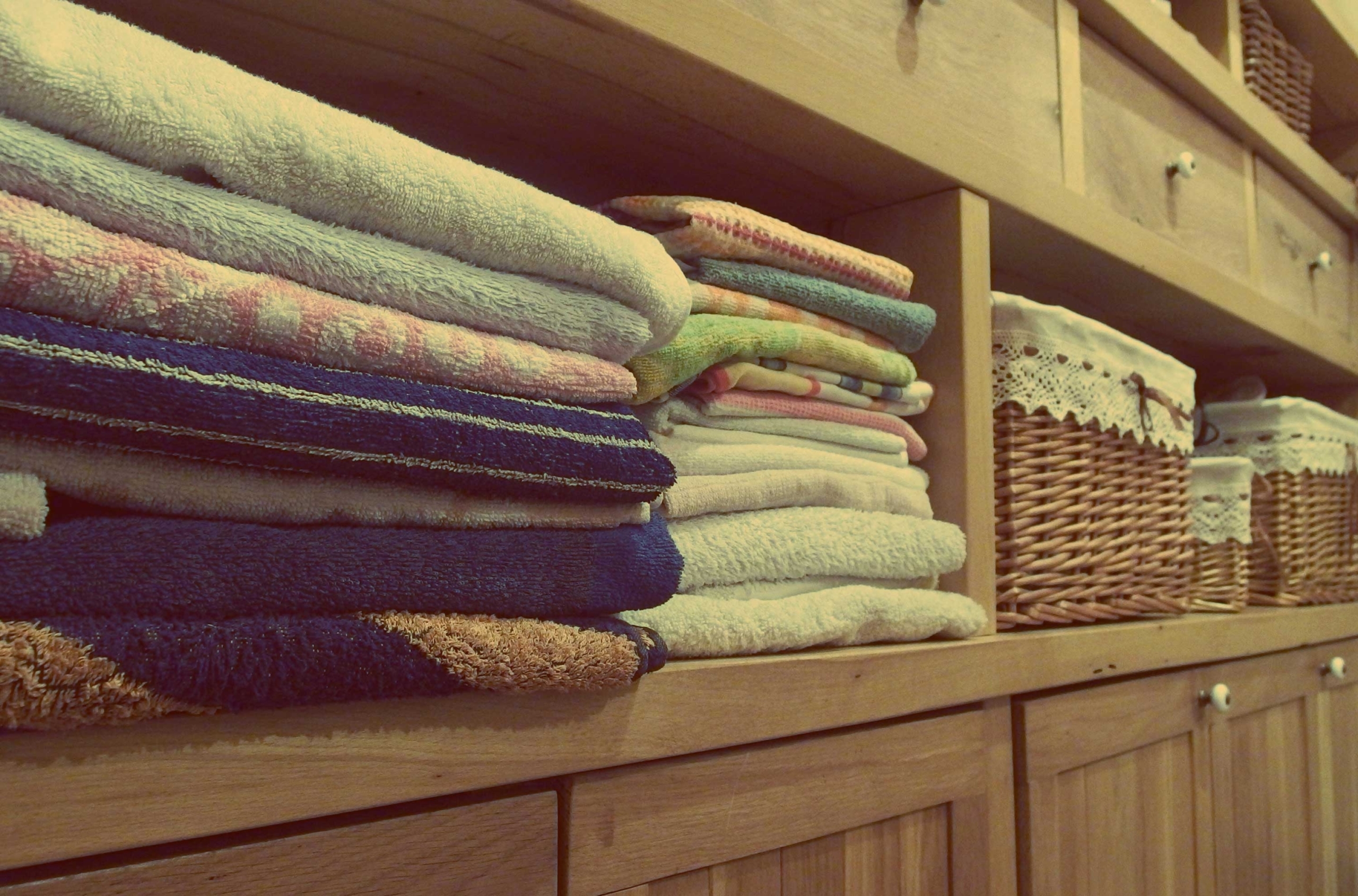
Coordinating articles of clothing by color is another fun way to organize your dresser drawers and closets. Placing all of your darks in one drawer, colors in another, and lights separately are aesthetically appealing to the eye. It also makes the process of finding your favorite items or deciding what to wear much easier in the mornings.
This is also a fun way to get creative with your organization. Depending on your clothing, you can create unique and personalized color schemes. Love color? Create a rainbow by putting your clothes together in a way that ranges from red to violet. More neutral? Separate your beige items from your darker browns to create a more exciting vintage selection.
You can go even further to separate your winter clothes from your summer items as well, thus having multiple drawers of the same color in a similar location. Of course, the size and breadth of your wardrobe is a dependent factor when it comes to organizing in this manner.
Get creative with folding
You’ve probably seen several tips and tricks when it comes to folding if you’ve spent any time on the internet searching for hacks on how to organize a drawer. There are many ways to fold your clothing to prevent wrinkles, save space, and make your drawers appear more attractive.
While it would be impossible to share all of the folding methods here, we can discuss a few!
Store styling T-shirts
One unique way to fold T-shirts and shirts in your drawers is by mimicking the classic folding style of department stores. This can be a bit tricky to perfect. There are folding tools out there that you can use to make the perfect crease. Of course, if you have a knack for DIY projects, you can always make your own!
A small tip to folding these shirts is to make sure your creases are clean and even. Folding this way doesn’t necessarily save space, however, and it doesn’t prevent wrinkles for all types of fabric. But it does make organizing your drawers fun and it looks quite appealing!
Rolling jeans
Rolling jeans is a neat trick to save space and eliminate odd creases. It’s a super simple trick that anyone can do, and it makes putting away jeans and other pants a breeze! Simply fold your jeans in half so that the pant legs match up and then roll them up. They’re compact and still allow you to see each pant in your drawer to make selecting clothing more efficient!
Folding small garments
For smaller garments, drawer dividers are lifesavers. You can fold underwear into small triangles to place in the divides and roll matching socks together so as not to lose any. The key here is making sure that each garment can be seen when opening the drawer so that none get misplaced or forgotten.
Store seasonal items in deep drawers
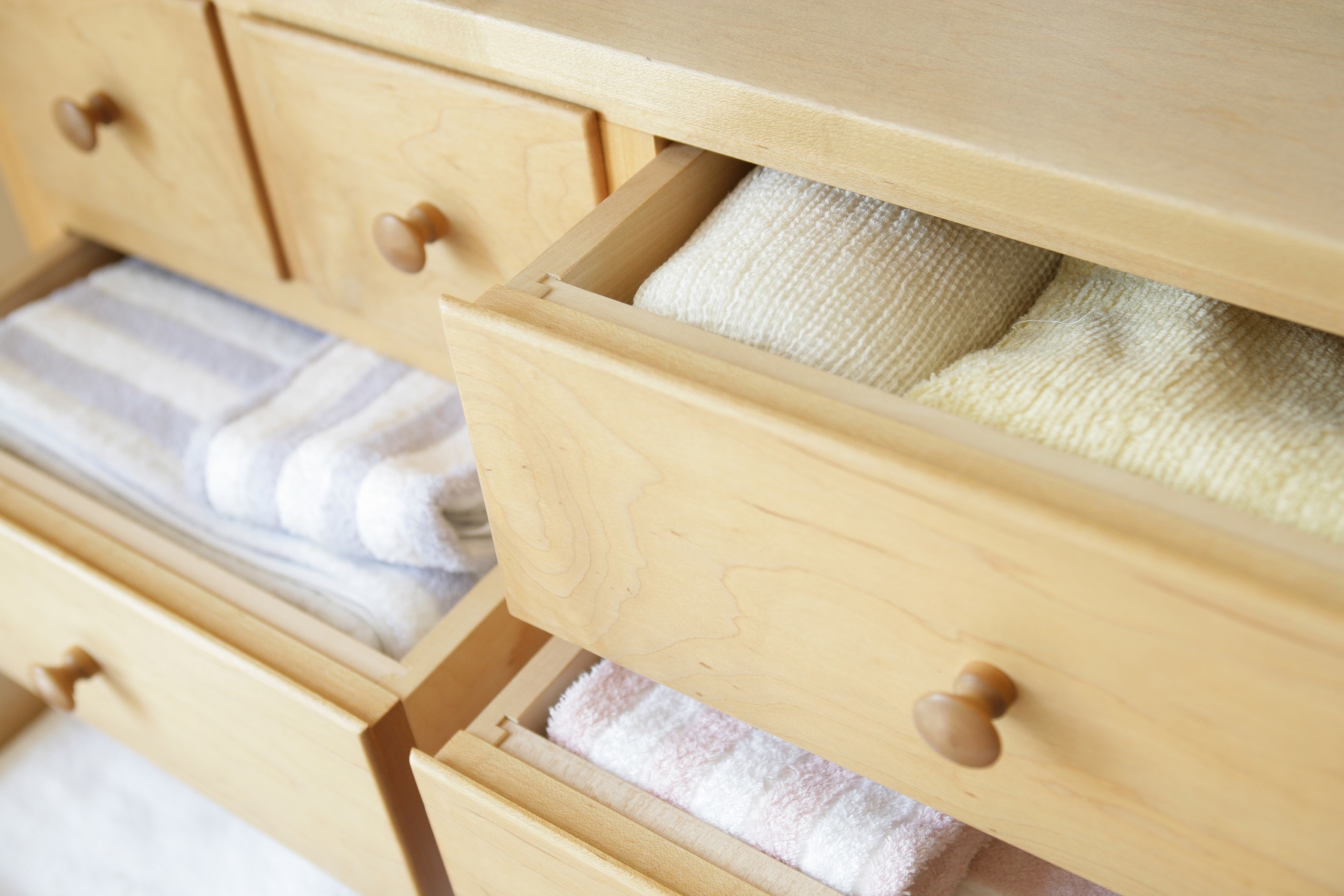
Now, you might be wondering how to organize a deep drawer or what you can do with any extra space. A great tip is to store your seasonal items in the back and rotate your clothing as needed. Your summer, Christmas, and Thanksgiving sweaters can be folded accordingly and placed in the back of larger drawers.
Similarly to how you would organize a deep kitchen or bathroom drawer, using dividers will help you create a separated space and will allow you to utilize the extra space better.
When the seasons change, rotate your current clothing to the back and bring out the seasonal items. This does add an extra chore to your list, but it can be a fun and therapeutic activity! Also, this method of storage eliminates the stress of searching for specific items if your wardrobe is not separated by season.
Make sure every item can be seen
The best tip for organizing your drawers is to make sure that every item can be seen. By using all of the tricks above, you can effectively organize your drawers so that every shirt, pant, and small garment is visible upon opening the respective drawer.
By ensuring you can see every item, you will allow yourself extra time in the morning since you won’t be searching for a piece of clothing hidden deep in the bowels of your dresser! Additionally, it makes your wardrobe appear less cluttered and more visibly appealing to the eye.