  1. Home
  2. Home Maintenance
  3. Evergreens

The best heat cables to keep your home from freezing

Heat cables are incredibly versatile. You can use them for floor heating, pipe-freeze protection, roof de-icing, and other snow-melting applications that will make your winter season much easier. Get ready for the snow days with one of our carefully selected options gathered in our list.

With our vetted suggestions, you can prevent ice from forming on your gutters and downspouts. You just need to clip it along, and you will generate the heat needed to keep it above freezing temperature. Make sure you get the right length and correctly install it by clipping it to your roof’s shingles.

Frost King Automatic Electric Heat Cable

Best Overall
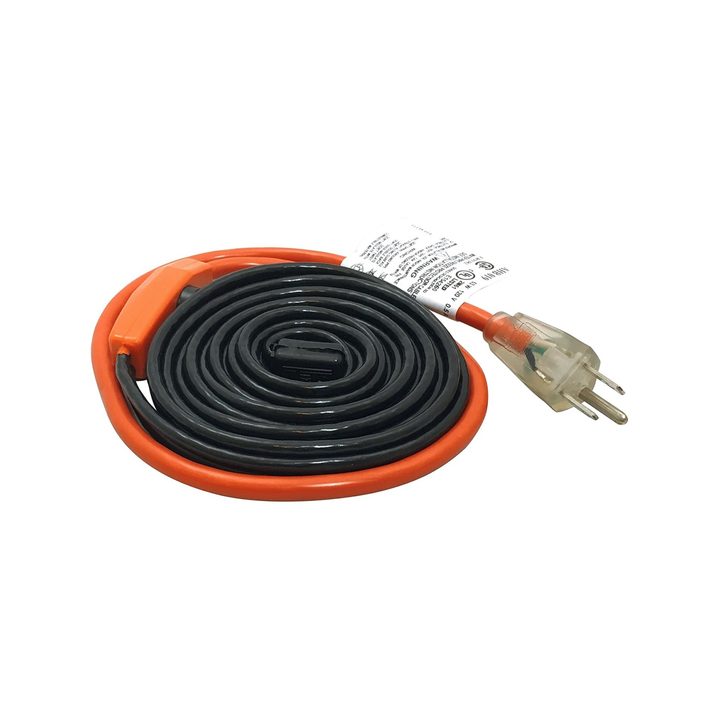
Image used with permission by copyright holder

Choose top performance and reliability when you pick the Frost King Automatic Electric Heat Cable for your de-icing needs. This self-regulating heat cable can keep pipes from freezing at low temperatures as low as minus 38 degrees. It works great with both metal and plastic pipes, and features an easy installation.

Easy Heat Valve and Pipe Heating Cable

Best Value Heat Cable
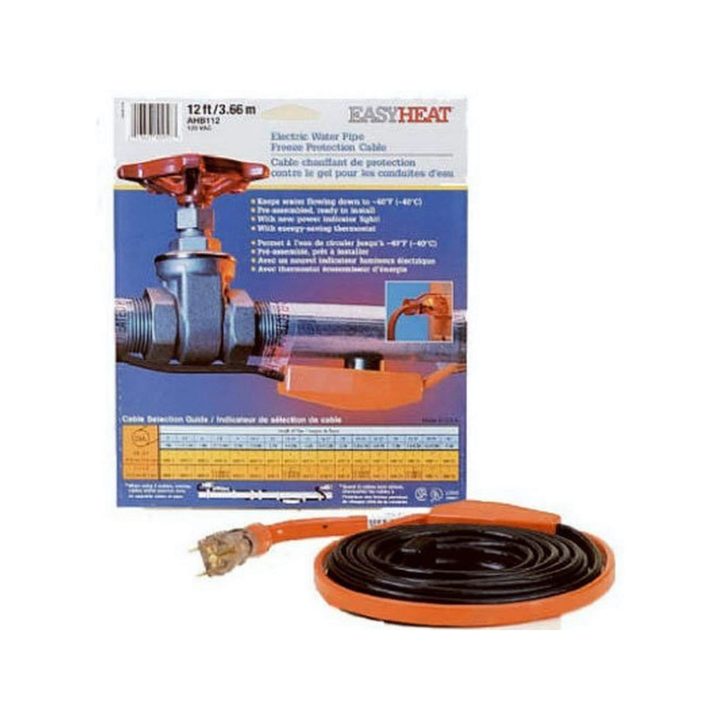
Image used with permission by copyright holder

You don’t need to spend a fortune to keep your home warm and functional with the Easy Heat Valve and Pipe Heating Cable. This budget-friendly option has a tough PVC inner insulation for extra safety and features a 9-foot heated section that produces 63 Watts of power.

Grip Clip Plug-in Ready Heat Cable

Best Heavy-Duty Heat Cable
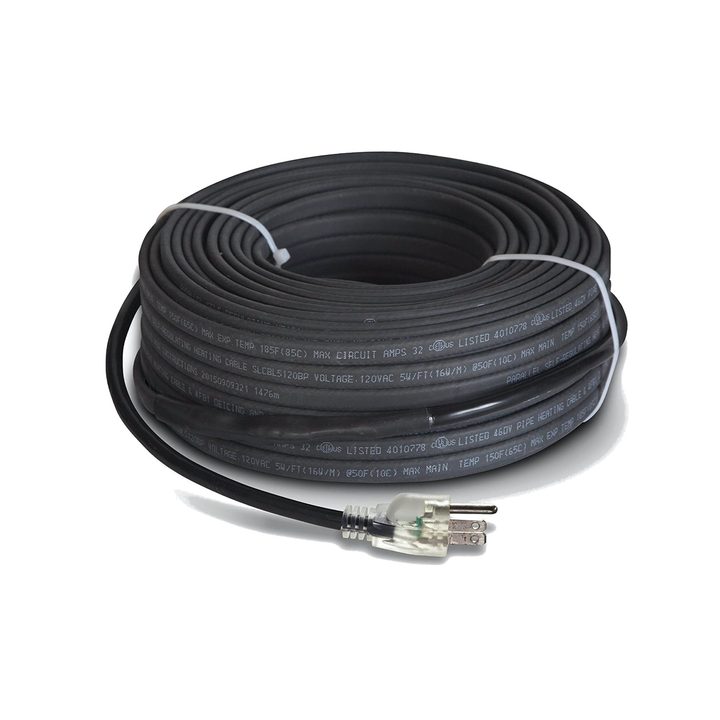
Image used with permission by copyright holder

Big jobs need a powerful solution, and the Grip Clip Plug-in Ready Heat Cable is ready for any heavy-duty de-icing challenges you might have. A very versatile solution, you can use this model for flat, metal, and asphalt roofs with confidence that it will perform beyond your expectations.

Keep your home in perfect condition regardless of the amount of snow or how cold it gets by installing one of our suggested heat cables and forget about having to deal with nuisances like frozen water pipes or a water-damaged roof.

How to avoid mold when painting your basement walls
Spruce up your dark and dreary basement with a fresh paint job, but beware of mold and mildew
Standard basement with gray cement walls

Is your basement dark and dreary? Basement walls aren’t always the most welcoming, and can easily contribute to an uninviting aesthetic (especially if the rest of your basement design is similarly lackluster). Depending on the existing conditions of your space, you could face a drab and boring background that interrupts the flow of your personal style. And when it comes to sprucing up this area of the home, many homeowners struggle to know how to paint a basement wall while also keeping the sub-level mold-free.

Perhaps you’ve considered basement paint ideas to spruce up your space. However, painting your basement walls is not the same as traditionally painting your interiors. With the potential for mold and mildew, there are more risks involved in painting walls in the basement when it comes to the health and well-being of your home. Additionally, the process can be much more arduous.

Read more
How to fix squeaky floors quickly and easily
Don't let noisy floors interrupt your life
Person in sneakers standing on parquet floors

If you're wondering how to fix squeaky floors, you're not alone. That annoying creak every time you step on a particular board can be frustrating, especially in quiet moments or during late-night trips to the kitchen. Squeaky floors are a common issue in many homes, but the good news is that fixing them doesn’t always require a major renovation. With a few simple home maintenance tools and techniques, you can silence those creaks and restore peace to your home.

In this guide, we’ll break down why floors squeak, how to fix them based on different flooring types, and even how to prevent them from coming back.
Why does my floor creak when I walk on it?

Read more
Is primer necessary for every paint job? Here’s the truth
Here's when you should use primer and when you can skip it
Woman painting

The question of whether to prime before painting seems as old as, well, painting itself. The answer seems to be different depending on who you talk to. Paint manufacturers say "yes" — it is an essential wall painting technique — because they want the best possible surface for the paint to shine. Do-it-yourself (DIY) fans seem less thrilled about the process, mostly because it takes more time and money.

So, do you need primer when you paint? The reality is that not every painting project is the same, and the answer is not a clear-cut one.

Read more