  1. Home
  2. Home Maintenance
  3. Evergreens

The best ceramic heaters to keep you warm and cozy

In addition to quickly heating air in tight spaces, ceramic heaters can promote safety by shutting off when they’re accidentally tipped or turned over. If high functionality and top safety are high on your heater shopping list, check out these leading ceramic heaters.

Ceramic heaters can make it toasty in small areas quickly, while their plastic casings remain safely cool. These ceramic heaters measure up if you’re seeking such a unit for a small office, bedroom, or similar area.

Home Choice Small Ceramic Space Heater

Best overall
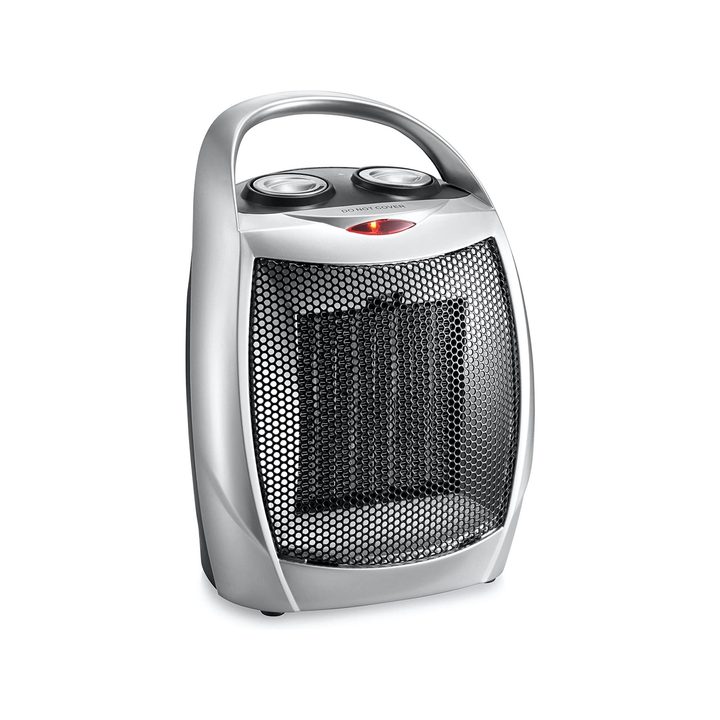
Image used with permission by copyright holder

If you’re trying to heat a small area, it helps if the heater is small, as well. A great small ceramic heater option is the Home Choice Small Ceramic Space Heater. It measures in at 7.3 by 5.6 by 9.7 inches, yet can generate 1,500 watts worth of heat.

Lasko Ceramic Tower Space Heater

Best oscilllating space heater
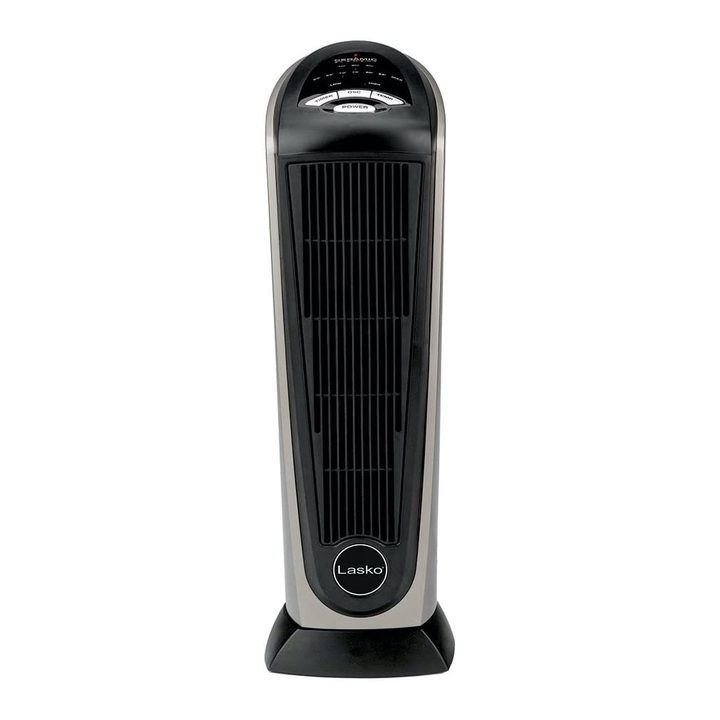
Image used with permission by copyright holder

Tower ceramic heaters are a good way to heat a space because they generate a lot of heating power. The Lasko Ceramic Tower Space Heater is a top-ranked tower heater, and it comes with remote control and a built-in timer to boot. The unit pumps out 1.5 kilowatts of power.

Lasko Ceramic Space Heater

Best value space heater
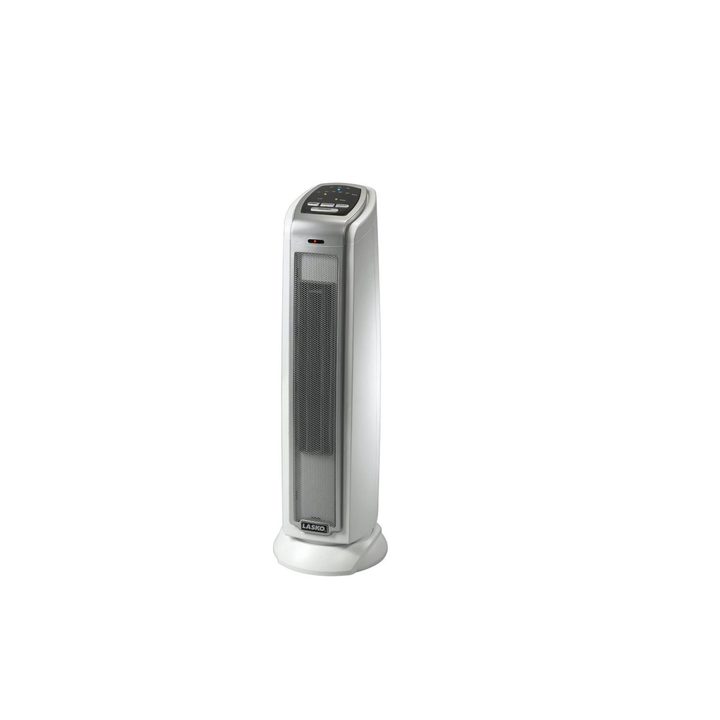
Image used with permission by copyright holder

Tower ceramic heaters can be high on heating power but low on price. A top affordable option is the Lasko Ceramic Tower Heater. It offers 1,500 watts of maximum output with low-, high-, and thermostat-controlled settings.

Energy efficiency. High output. Portability and safety. There are a lot of reasons to purchase a ceramic heater. These intriguing models check off those reasons and more.

How to avoid mold when painting your basement walls
Spruce up your dark and dreary basement with a fresh paint job, but beware of mold and mildew
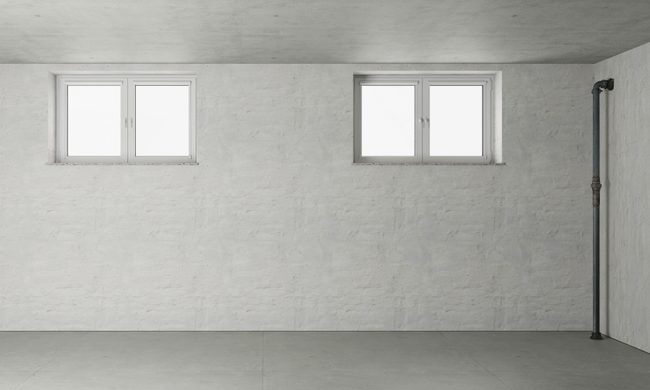
Standard basement with gray cement walls

Is your basement dark and dreary? Basement walls aren’t always the most welcoming, and can easily contribute to an uninviting aesthetic (especially if the rest of your basement design is similarly lackluster). Depending on the existing conditions of your space, you could face a drab and boring background that interrupts the flow of your personal style. And when it comes to sprucing up this area of the home, many homeowners struggle to know how to paint a basement wall while also keeping the sub-level mold-free.

Perhaps you’ve considered basement paint ideas to spruce up your space. However, painting your basement walls is not the same as traditionally painting your interiors. With the potential for mold and mildew, there are more risks involved in painting walls in the basement when it comes to the health and well-being of your home. Additionally, the process can be much more arduous.

Read more
How to fix squeaky floors quickly and easily
Don't let noisy floors interrupt your life
Person in sneakers standing on parquet floors

If you're wondering how to fix squeaky floors, you're not alone. That annoying creak every time you step on a particular board can be frustrating, especially in quiet moments or during late-night trips to the kitchen. Squeaky floors are a common issue in many homes, but the good news is that fixing them doesn’t always require a major renovation. With a few simple home maintenance tools and techniques, you can silence those creaks and restore peace to your home.

In this guide, we’ll break down why floors squeak, how to fix them based on different flooring types, and even how to prevent them from coming back.
Why does my floor creak when I walk on it?

Read more
Is primer necessary for every paint job? Here’s the truth
Here's when you should use primer and when you can skip it
Woman painting

The question of whether to prime before painting seems as old as, well, painting itself. The answer seems to be different depending on who you talk to. Paint manufacturers say "yes" — it is an essential wall painting technique — because they want the best possible surface for the paint to shine. Do-it-yourself (DIY) fans seem less thrilled about the process, mostly because it takes more time and money.

So, do you need primer when you paint? The reality is that not every painting project is the same, and the answer is not a clear-cut one.

Read more