Bed bugs are on most people’s list of worst nightmares. The thought of pesky insects infesting the places you relax and sleep is enough to make anyone uneasy. If you’ve never had bed bugs in your home and are concerned with how to deal with them, there are some steps you can take to ensure you know how to treat furniture for bed bugs. Bed bugs are a problem that you can prevent by taking certain precautions since most bed bug infestations come from previously infested items.
Bed bugs: A little history
Up until World War II, bedbugs were a common problem, and most Americans were well aware of how to spot an infestation and take steps to correct it. From the 1950s onward, the introduction of potent pesticides like DDT caused the number of bedbug infestations to drop dramatically. Fewer and fewer Americans came in contact with the nasty critters, and public awareness began to fall as well.
According to the Evans School of Public Policy at the University of Washington, once DDT and other environmentally dangerous pesticides began to be regulated and eliminated, and more people all over the world started to travel farther and more frequently, these nasty critters staged a comeback. By the 1990s, they had become a common problem once again.
How do bed bug problems start?
Bedbugs usually enter a home by hitching a ride from somewhere else. This is what can make them a frequent traveler’s nightmare. They attach themselves to furniture, pillows, cushions, linens, and clothing that come in contact with an infested home or hotel room. Once those items are moved into another location, they take up residence there and multiply quickly. They can also survive for days inside luggage, purses, and travel bags that carry contaminated items, giving them more opportunities to latch on to our stuff and stow away to other places.
Identifying bed bugs
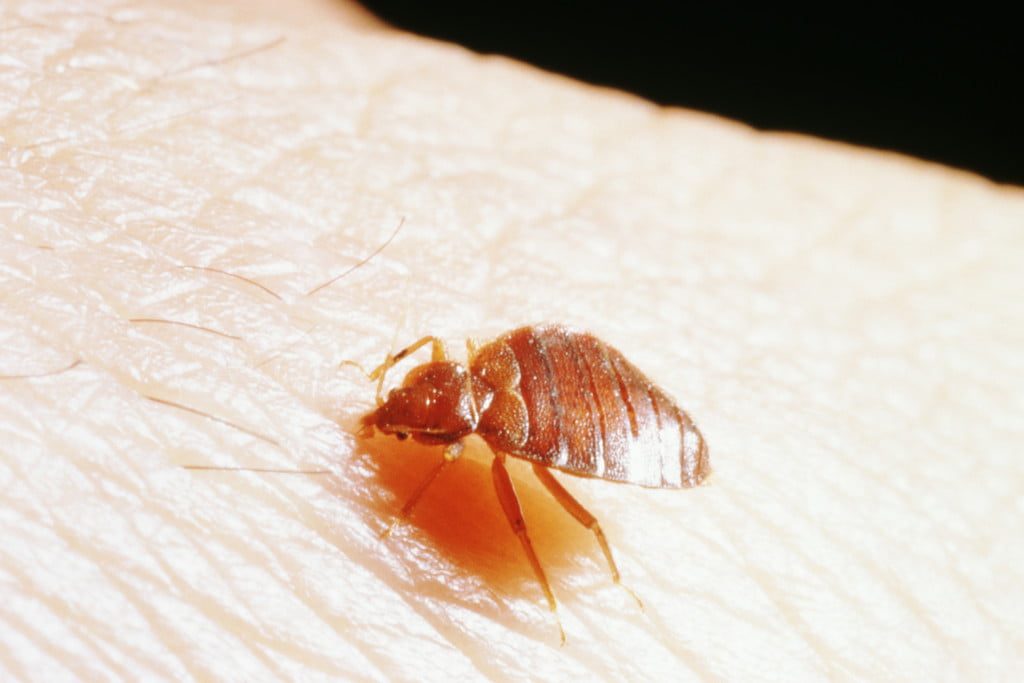
Bed bugs got their name from where they like to dwell: Warm, mostly dark areas such as bedding and mattresses. Since they are nearly invisible to the naked eye, bed bugs can be hard to identify. If you happen to spot a mystery bug in your bedding, here’s what to look for: Bed bugs are about a quarter of an inch long and shaped like a long oval. Their bodies are flat and reddish-brown colored. They have four legs and an antenna. It is important to note that young bed bugs or bed bug eggs can be smaller and a milky-white color.
According to the U.S. Environmental Protection Agency (EPA), the most obvious signs of bedbugs are what they leave behind. Look for dark brown or red spots and stains on bedding fabric, furniture linings, and mattresses. Fun fact: This is actually their fecal matter, remnants of their blood feasts on unlucky humans! Their eggs are tiny and oval-shaped, yellowish-white in color, and can be found attached to linens, cushions, and contaminated surfaces. They also leave behind their discarded skins, and in cases of severe infestation, you may spot the bugs themselves or dead ones crushed beneath cushions and mattresses.
The most obvious way to spot a bed bug infestation is by bug bites on you, someone in your house, or your pets. Bed bug bites are often confused with mosquito bites or rashes, but they can cause welts and rashes in humans, and they itch.
How to prevent infestation
Where they live
Bed bugs are drawn to access to warmth, carbon dioxide, and frequent foot traffic. This pretty much means that wherever there are lots of humans, there is a lot of blood, and that’s what bed bugs like. This is why places like dorm rooms and hotels are prime locations for bed bugs. They like to hide in bedding, box springs, and mattresses. These places have the perfect combination of warmth, access to blood (people), and carbon dioxide.
If you think you have an infestation, don’t stop your search in the bedroom. Bed bugs like any small hiding spot such as furniture cushions, curtains, electrical outlets and appliances, drawers, ceiling or floor cracks, and wallpaper. Bed bugs will survive anywhere their host can live, so the list is pretty much endless. They are most active at night and can live between six months to a year, so don’t wait to exterminate them if you see signs of an infestation.
How to prevent them from entering your home
You may have heard that bed bugs live in messy or dirty homes, but that is simply not true. Most infestations come from previously infested furniture or people. Bed bugs will attach themselves to people or luggage and travel back home with you. They can also be found in secondhand furniture, in shoes, and on clothing.
Since the main cause of bed bugs is secondhand furniture and people, the best way to prevent them is to inspect all secondhand furniture and clothing thoroughly before bringing it into your home. Check along the seams of the upholstery for any sign of bed bugs and what they leave behind. As a general rule, never purchase a secondhand mattress.
If the furniture passes the initial inspection and you buy it, be sure to give it a good cleaning before putting it inside your house. Store the piece in your garage or shed, vacuum fabric and upholstery thoroughly, and clean other materials with hot, soapy water. Be sure to get into all crevasses and storage areas.
Regular inspections
You don’t have to inspect your bedding every night, but you should take some time to check your mattress and pillows when you wash your bedding. If you see signs of bed bugs, remove your bedding, and wash it in the washing machine on the highest heat setting possible. The heat and water combined will kill any bed bugs that are living in your bedding. To be safe, wash any rugs, pillows, throw blankets, curtains, or anything else that may have been exposed in your bedroom.
Take your mattress and box spring outside and use a scrub brush to get into seams and affected areas of the mattress. The brush will get all of the bugs and bug eggs out. Then, take a vacuum and clean the entire box spring and mattress, taking care to get into seams. Take the vacuum inside, and vacuum your bedroom. When you’re finished, empty the vacuum outside into a plastic bag and place it in a trash can outside.
The last step is to enclose your mattress and box spring in a tight-fitting plastic covering and leave both outside overnight. The plastic will suffocate any bed bugs that managed to survive the scrub brush and vacuum treatment. If you don’t want to go through all of this work, you may just want to buy a new mattress and box spring and never bring the old one back in the house again.
Some additional tips
- Get rid of clutter in vulnerable areas, especially linens and clothing that tend to end up on the floor.
- If you have to store linens for long periods, consider storing them in plastic zipper bags or other sealed containers.
- If you like to frequent yard sales, thrift stores, or consignment stores, carefully inspect any second-hand furniture, pillows, and linens before bringing anything home.
- Before returning home from a hotel stay that looked suspicious, carefully inspect your luggage, bags, and clothes.
When traveling, be sure to check your hotel room for bed bugs before you unpack. Focus on the bedding, upholstered furniture, and curtains. Ideally, you won’t even bring your luggage into your room until you’ve inspected it, but you can also leave it in the bathroom until you’ve fully inspected the room. When checking the mattress, be sure to pull up sheets and check along the seam of the mattress. Bed bugs are more likely to be found near the headboard, so focus on the top half of the mattress first.
If you find bed bugs, notify the front desk and ask for a new room that’s not adjacent to the infested room. If you think that anything you are wearing or traveling with (luggage, pillows, blankets, etc.) has been infested, separate it from the rest of your belongings immediately.
What to do if you find bed bugs in your home
If you do find signs of bedbugs at home, here’s what to do:
- Contact a well-qualified, experienced professional pest control service to create a plan to eradicate the problem.
- Bedbugs and their eggs can be destroyed by heat that exceeds 122°F (50°C). If you have potentially contaminated items you want to save, tie them into an old pillowcase and put them into a high heat dryer cycle for at least 90 minutes, assuming your dryer can get hot enough. Be sure not to mix contaminated items with clean ones. And of course, please try to avoid this process if you share public dryers with other tenants.
- Contaminated furniture can sometimes be saved by thoroughly vacuuming cushions and fabric surfaces. If it’s possible to remove fabric linings without damaging the item, be sure to vacuum beneath them as well. When in doubt, though, consider safely and responsibly discarding them.
- If you live in an apartment complex or multi-unit dwelling, be sure to notify your landlord and neighbors about a potential infestation right away.
Some people believe that certain essential oils can get rid of bed bugs, but natural products won’t kill them. Feel free to use oils such as tea tree oil, thyme, lemongrass, lavender, or peppermint as a preventative measure by mixing the oils with water and spraying your bedding, furniture, and curtains. If you have an infestation, though, you will want to follow the steps above or call an exterminator since essential oils will not eliminate your problem.