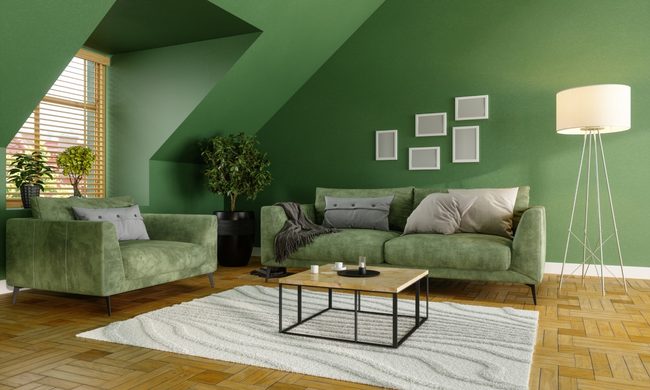

Area rugs are a great way to bring the room together. They add decorative flair to your space and offer comfort while standing or walking on them. Even though they’re popular in modern homes, rugs are difficult to keep in place, particularly on hardwood floors.
They slide around easily and even curl up at the corners, creating slipping and tripping hazards for you and your family. Luckily, there are several ways you can successfully keep your rug where you want it. We’re going to discuss how to stop a rug from sliding with seven simple solutions.
Why does my rug keep moving?
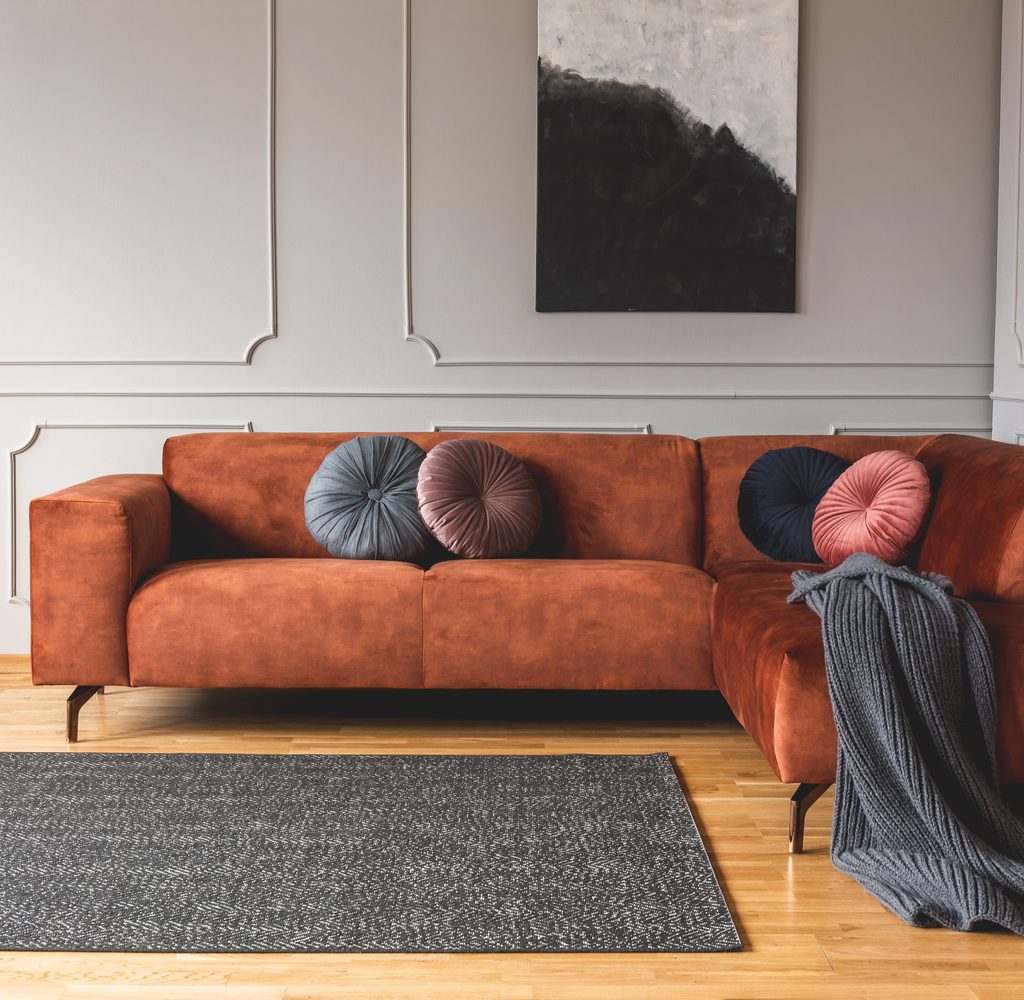
Your gorgeous living room rug may keep moving due to various factors. One common reason is the lack of a proper rug pad underneath, especially on smooth surfaces like hardwood or tile floors. Without traction, the rug can easily slide around with foot traffic or even slight movements. Additionally, the rug’s material and weight play a role, since lightweight rugs or those with slippery backing are more prone to shifting.
Environmental factors such as humidity and temperature fluctuations can also affect the rug’s grip on the floor. Identifying the underlying cause will help in finding an effective solution to keep your rug in place.
How do you keep a rug from slipping on hardwood floors?
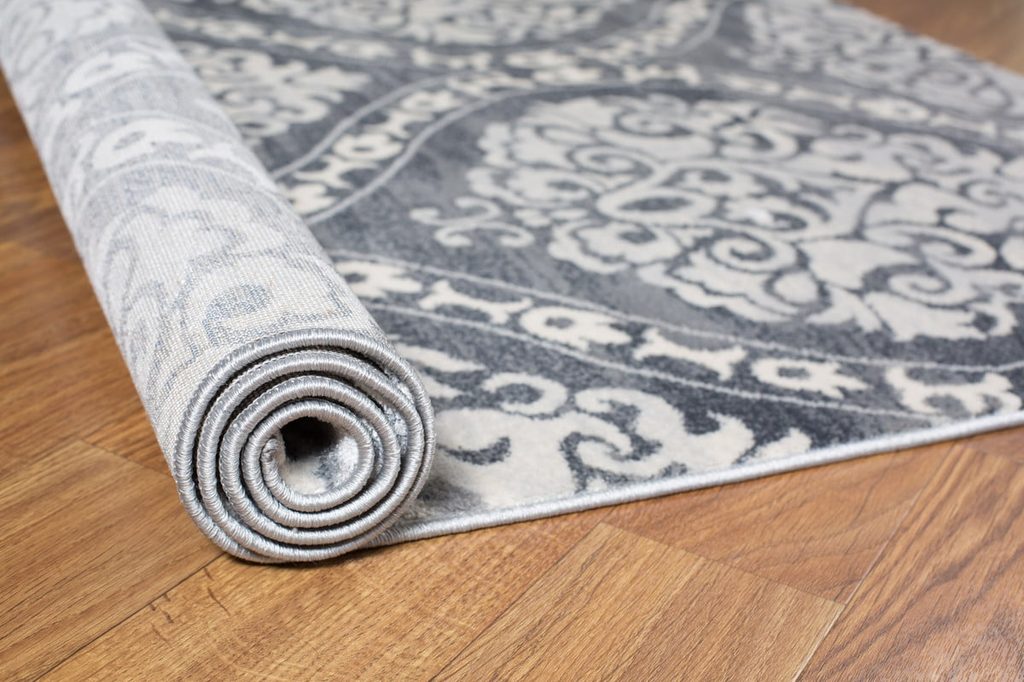
Hardwood floors are a stunning feature in any home, but their smooth surface makes it difficult for area rugs to stay in place. At best, the rug will gradually drift off-center, and at worst, the rug might move suddenly while someone is walking on it. In order to keep a rug from slipping, you will need to either purchase products meant to adhere the rug to the hardwood floor, or you can go the DIY route and use household products to keep the rug in place.
What can I use to stop my rug from moving?
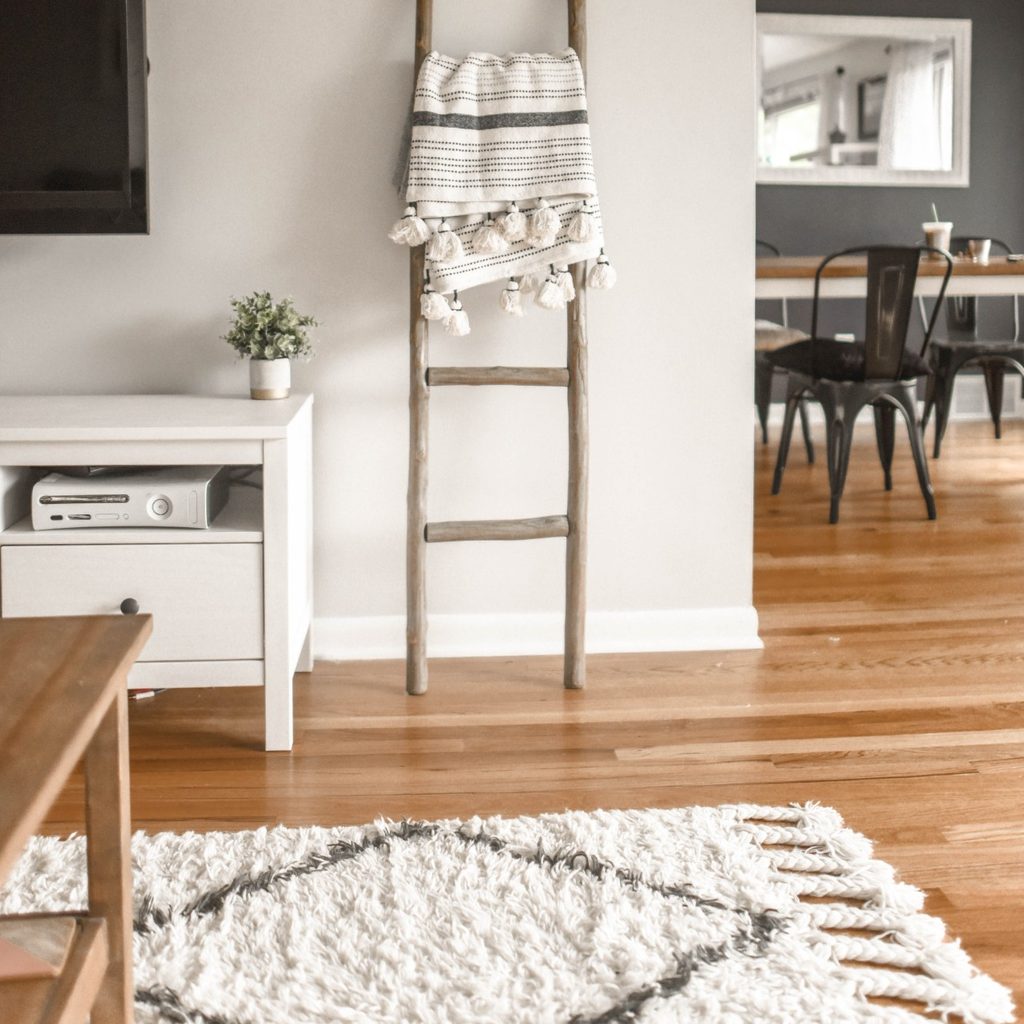
There are several different kinds of products designed for keeping rugs in place, each producing different results. Which product you choose will depend on the size of the rug and the type of flooring underneath it.
1. Lay a rug pad under your rug
A great solution for larger rugs, rug pads are the most common fix for a sliding rug. They’re typically made from tacky, non-stick materials like plastic, rubber, or a more comfortable combination of felt and rubber. They are roughly the same size as the rug itself and are basically layered underneath the rug to adhere it to the floor.
Rug pad pros
- Adds a layer of cushion to the rug for more walking comfort
- Highly effective at preventing slipping in larger rugs
Rug pad cons
- Tend to be a more expensive option
- Some materials used could damage hardwood floors
2. Place rug tape on the underside of the rug
Rug tape, or gripper tape, is commonly used on smaller area rugs to adhere the rug to the hard floor. It’s typically laid on the floor in a grid-like pattern that’s the size of the rug, and then the rug is placed over it.
Rug tape pros
- Cheaper than rug pads
- Easy to install
- Won’t damage hardwood floors
Rug tape cons
- Only ideal for smaller rugs
3. Install rug pins
Rug pins are a great solution for rugs that are laid on top of wall-to-wall carpeting. They’re basic hook-shaped pins that are attached to push tabs. Simply insert the pins through the rug and carpet layers to fasten the two together and prevent sliding. They’re easy to install and pull out without damaging either the carpet or the rug.
Rug pin pros
- Easy to install
- Won’t damage carpet or rug
Rug pin cons
- Pin is visible when installed
- Only works if the floor underneath the rug is carpeted
How do I keep my rug from sliding with DIY solutions?
If you’d rather not spend a pretty penny on products designed for keeping rugs in place, there are also some DIY solutions that use common household items to keep your rug from slipping.
4. Use rubber shelf liners
Shelf liners are those rubber slabs that you install in your cupboards to keep your glassware, plates, and bowls from slipping around. The same concept can be used on your slipping rug. Simply lay the liner on the floor and lay the carpet on top of it. If you have a larger rug, multiple liners can be taped or fastened together before laying it on the floor.
5. Install Velcro
Velcro is incredibly versatile. The hook-and-loop strips can adhere to both the floor and the bottom of the rug to keep it from sliding. One downside is that both your floors and your rug will be exposed to the glue from the Velcro’s adhesive side, and it will likely leave a residue when you peel it off to move the rug.
6. Use silicone caulk
Silicone caulk is what’s on the bottom of anti-slip socks. You can buy this stuff by the tube and line the bottom of your rug with it using a caulk gun. It does a particularly great job at keeping smaller rugs in place, but dust and dirt will need to be wiped off of the caulk occasionally. Otherwise, the method will become less effective over time.
7. Use hot glue
This is a similar method to silicone caulk. If you have a lot of hot glue on hand, this is the perfect time to use it. Simply apply the hot glue to the bottom of the rug in a grid pattern, and it will keep your rug from slipping. As with silicone caulk, glue will need to be wiped clean occasionally, but it dries a lot faster than the caulk does.
Your fantastic rugs add elements of both style and comfort to your floors, but they can pose a safety hazard if they continually slip, bunch, or curl at the corners. With one of the products or DIY methods we’ve discussed, your chic rug will stay firmly in place, so you don’t have to worry about slips and falls.