  1. Home
  2. Home Maintenance
  3. Evergreens

The best USB fans

The best USB fans must be portable, compact, and reliable. That is why we’ve carefully selected only the top choices available and made sure they all were powerful enough to keep you from breaking a sweat or your equipment from overheating.

USB has become the standard source of power for most modern low-voltage electronics. All of our picks have an impressive performance and are made with top components to assure long-lasting operation with heavy-duty construction. You can easily feed these compact solutions with portable power banks, internal rechargeable batteries, or computer ports.

EasyAcc Handheld USB Fan

Best Overall
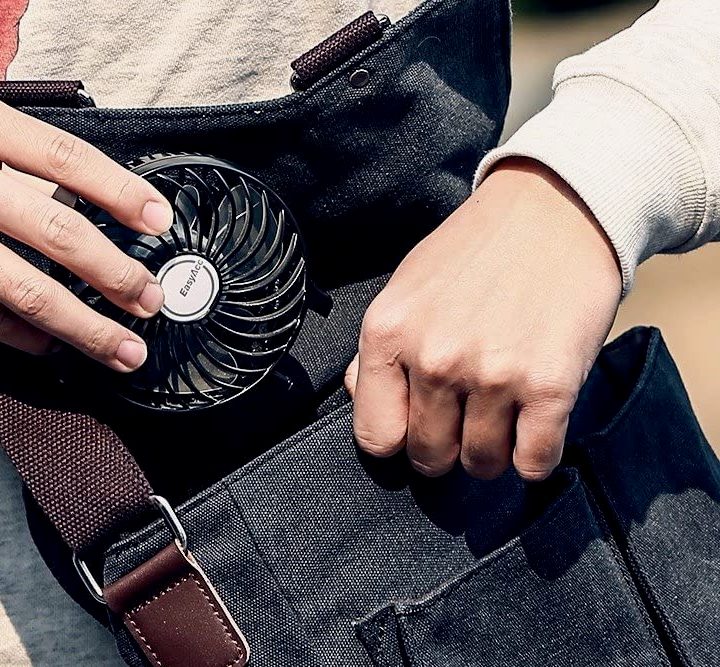
Image used with permission by copyright holder

For total convenience and versatility, the EasyAcc Handheld USB Fan is our top recommendation. Featuring a pocket-size design, internal rechargeable battery with up to 15 hours of operation per charge, and a folding handle that doubles as a stand, this is one of the most versatile options out there.

Opolar Rechargeable USB Fan

Best Clip-on Fan
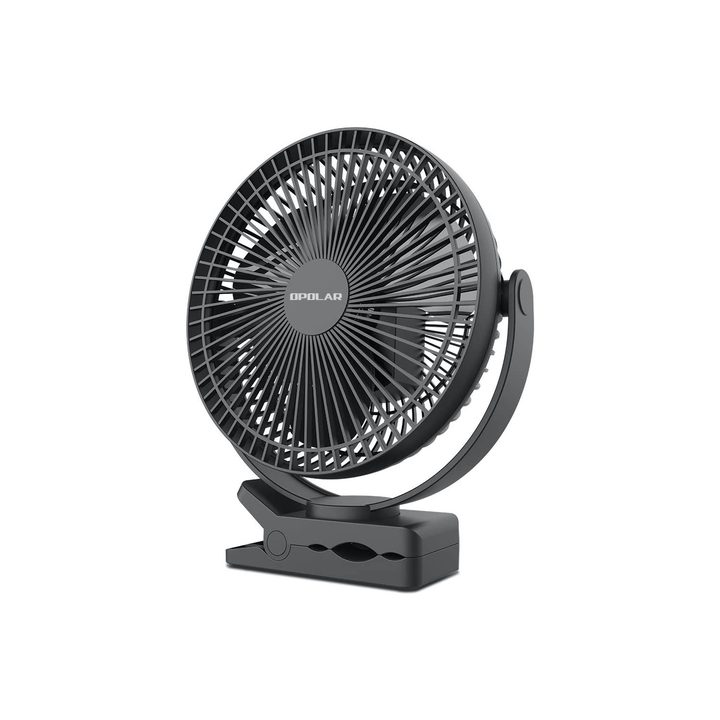
Image used with permission by copyright holder

When you need that personal cooling, but you need to stay hands-free, the Opolar Rechargeable USB Fan is the best clip-on solution in our list. The sturdy clamp is great for camping trips, but also popular for use on a treadmill to keep you running longer without overheating. It includes Micro-USB and USB-C charging ports for 2A fast recharging.

AC Infinity Multifan USB Fan 

Best Fan for Electronics
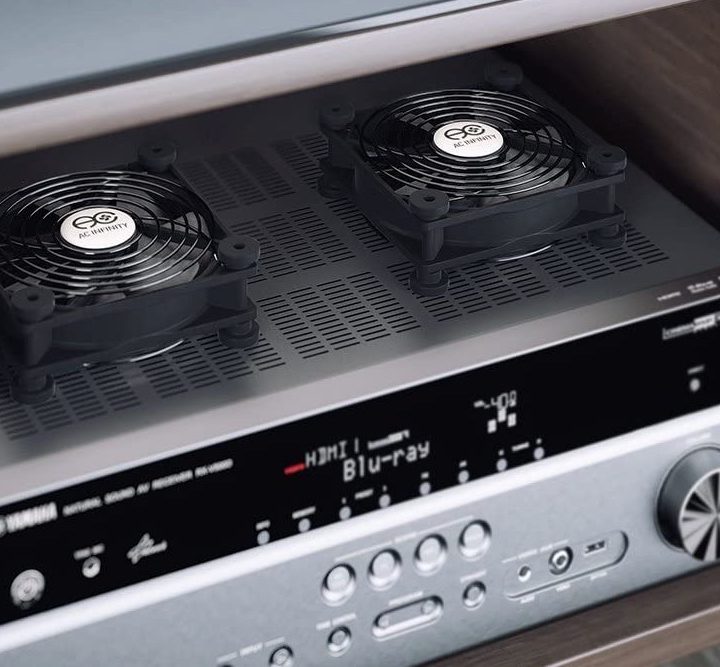
Image used with permission by copyright holder

If you are looking for the best solution to prevent overheating of your electronic devices, the AC Infinity Multifan USB Fan provides the best cooling performance in a USB fan we could find. The quiet operation and compact design make it ideal for computers, gaming consoles, and other AV equipment.

When the temperature rises, you don’t want to be caught off-guard. Protect your equipment from failure, stay cool, and don’t sweat a thing with this amazing collection of USB fans that we created just for you.

Topics
How to avoid mold when painting your basement walls
Spruce up your dark and dreary basement with a fresh paint job, but beware of mold and mildew
Standard basement with gray cement walls

Is your basement dark and dreary? Basement walls aren’t always the most welcoming, and can easily contribute to an uninviting aesthetic (especially if the rest of your basement design is similarly lackluster). Depending on the existing conditions of your space, you could face a drab and boring background that interrupts the flow of your personal style. And when it comes to sprucing up this area of the home, many homeowners struggle to know how to paint a basement wall while also keeping the sub-level mold-free.

Perhaps you’ve considered basement paint ideas to spruce up your space. However, painting your basement walls is not the same as traditionally painting your interiors. With the potential for mold and mildew, there are more risks involved in painting walls in the basement when it comes to the health and well-being of your home. Additionally, the process can be much more arduous.

Read more
How to fix squeaky floors quickly and easily
Don't let noisy floors interrupt your life
Person in sneakers standing on parquet floors

If you're wondering how to fix squeaky floors, you're not alone. That annoying creak every time you step on a particular board can be frustrating, especially in quiet moments or during late-night trips to the kitchen. Squeaky floors are a common issue in many homes, but the good news is that fixing them doesn’t always require a major renovation. With a few simple home maintenance tools and techniques, you can silence those creaks and restore peace to your home.

In this guide, we’ll break down why floors squeak, how to fix them based on different flooring types, and even how to prevent them from coming back.
Why does my floor creak when I walk on it?

Read more
Is primer necessary for every paint job? Here’s the truth
Here's when you should use primer and when you can skip it
Woman painting

The question of whether to prime before painting seems as old as, well, painting itself. The answer seems to be different depending on who you talk to. Paint manufacturers say "yes" — it is an essential wall painting technique — because they want the best possible surface for the paint to shine. Do-it-yourself (DIY) fans seem less thrilled about the process, mostly because it takes more time and money.

So, do you need primer when you paint? The reality is that not every painting project is the same, and the answer is not a clear-cut one.

Read more