
  1. Home
  2. Home Maintenance
  3. Evergreens

It’s not your imagination: Apartments are getting smaller

Apartment dwellers beware: Your space is decreasing

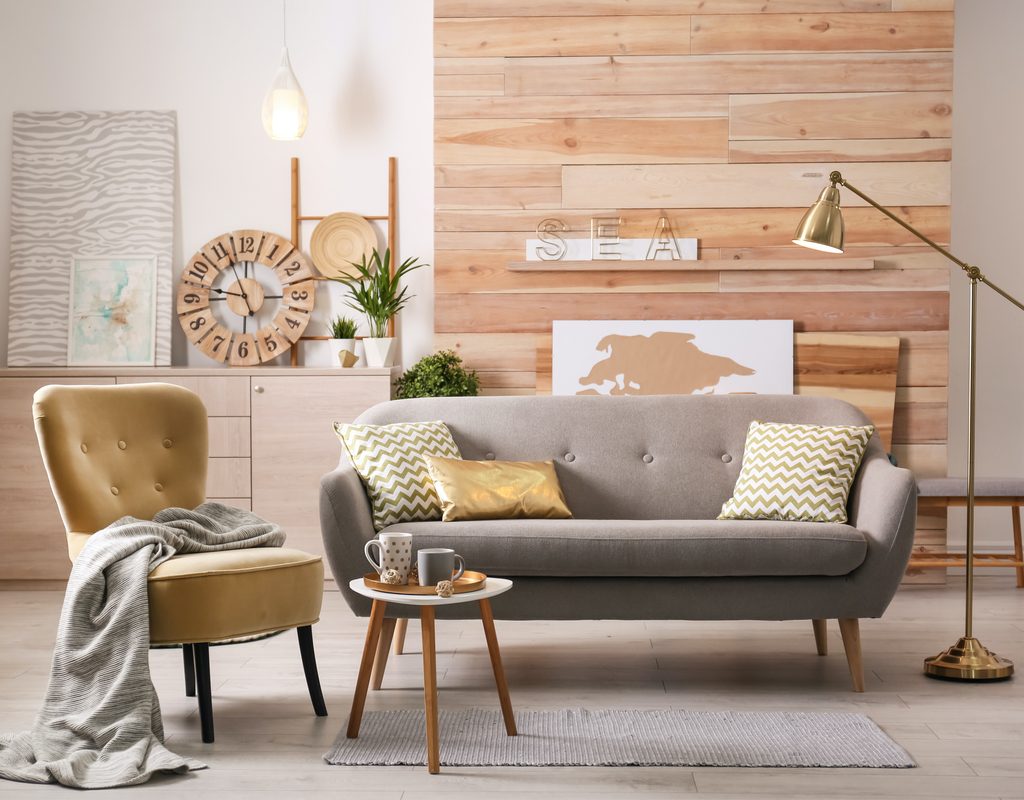
Stylish apartment living room with small, comfortable sofa
Image used with permission by copyright holder

If you’ve ever lived in an apartment, you know space is at a premium. And new research from RentCafe shows some staggering new insights into apartment sizes today. It found that the average size of new apartments last year was 887 square feet — a 54-square-foot drop from 10 years ago, which was the “largest year-over-year decrease, down 30 square feet.” For people who work and live in the same space as many do now, this can result in a big lifestyle change and a need to downsize the amount of “stuff” you have in your apartment.

Why the smaller size?

One of the reasons we are seeing smaller new apartments (those units that were built between 2013 and 2022) being offered today is that more studios and one-bedroom apartments have entered the market since 2022. In fact, they represent a share of 57% of the market.

It may seem odd, given that apartment sizes were actually getting bigger during the pandemic, as developers tried to squeeze as much space as possible for people at home. But in 2022, we saw one of the highest levels of construction in 50 years, which meant more homes, studios, and other larger residential dwellings. But if you’re looking for a larger apartment, say three bedrooms or more, you’re in luck. Those grew by 15 square feet.

Impact by region

If you can live anywhere, it seems the South is where you want to be for a larger apartment, with the Southeast coming in at just 10 square feet less. In 2022, the size of an apartment clocked in at 993 square feet, on average. That’s an extra 106 square feet compared to the national average. If you love Florida, Tallahassee led the pack with the largest apartments at 1,182 square feet, and Tucson, Arizona saw the biggest increase in new apartment sizes. If you want to be in sunny California, the average apartment is 876 square feet.

Seattle, Washington saw the smallest number of apartments in the nation, while Silver Spring, Maryland apartments saw the “largest decrease in the last 10 years.” New apartments in Decatur, Georgia, and Birmingham, Alabama also clocked in as some of the smallest in the market.

On the East Coast, New York has always been a mecca for apartment dwellers. The news on that area is mixed. Apartments in Brooklyn measured 692 square feet (45 square feet less than a decade ago), but Manhattan, which has always been notorious for small spaces at big prices, had a surprising increase of 19 square feet compared to 10 years ago.
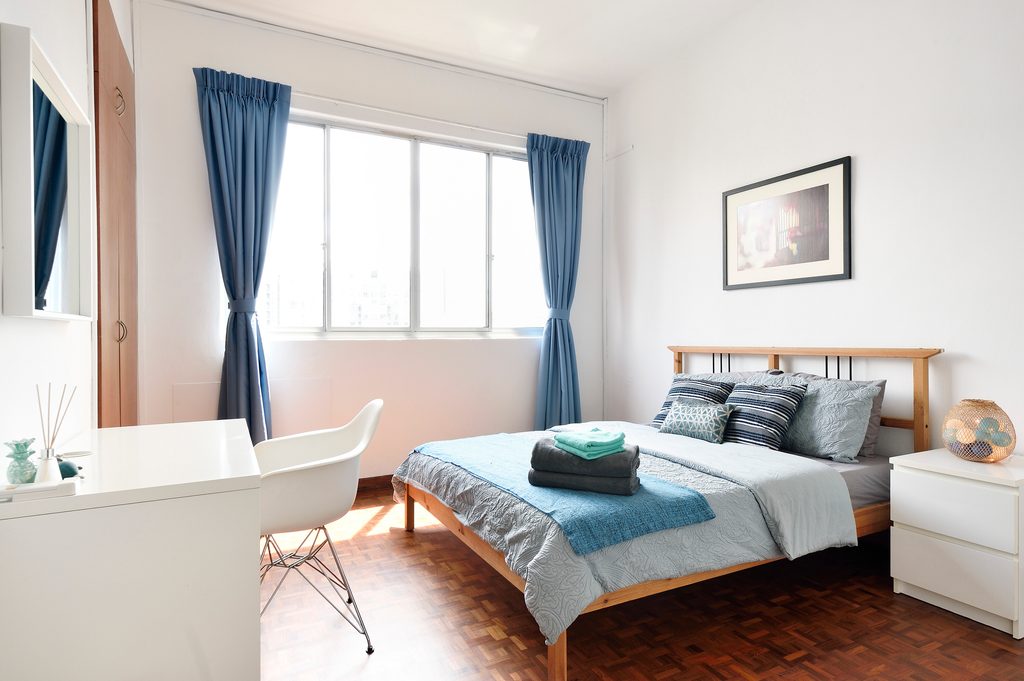
Bedroom in a clean modern apartment
Image used with permission by copyright holder

The space differences may seem small (pardon the pun), but even 20 feet in an apartment makes a big difference, especially if that is in a kitchen or primary bedroom. The research helps give prospective renters an idea of what areas of the country have the largest options and what the market is doing.

Julie Scagell
Former Author
How to avoid mold when painting your basement walls
Spruce up your dark and dreary basement with a fresh paint job, but beware of mold and mildew
Standard basement with gray cement walls

Is your basement dark and dreary? Basement walls aren’t always the most welcoming, and can easily contribute to an uninviting aesthetic (especially if the rest of your basement design is similarly lackluster). Depending on the existing conditions of your space, you could face a drab and boring background that interrupts the flow of your personal style. And when it comes to sprucing up this area of the home, many homeowners struggle to know how to paint a basement wall while also keeping the sub-level mold-free.

Perhaps you’ve considered basement paint ideas to spruce up your space. However, painting your basement walls is not the same as traditionally painting your interiors. With the potential for mold and mildew, there are more risks involved in painting walls in the basement when it comes to the health and well-being of your home. Additionally, the process can be much more arduous.

Read more
How to fix squeaky floors quickly and easily
Don't let noisy floors interrupt your life
Person in sneakers standing on parquet floors

If you're wondering how to fix squeaky floors, you're not alone. That annoying creak every time you step on a particular board can be frustrating, especially in quiet moments or during late-night trips to the kitchen. Squeaky floors are a common issue in many homes, but the good news is that fixing them doesn’t always require a major renovation. With a few simple home maintenance tools and techniques, you can silence those creaks and restore peace to your home.

In this guide, we’ll break down why floors squeak, how to fix them based on different flooring types, and even how to prevent them from coming back.
Why does my floor creak when I walk on it?

Read more
Is primer necessary for every paint job? Here’s the truth
Here's when you should use primer and when you can skip it
Woman painting

The question of whether to prime before painting seems as old as, well, painting itself. The answer seems to be different depending on who you talk to. Paint manufacturers say "yes" — it is an essential wall painting technique — because they want the best possible surface for the paint to shine. Do-it-yourself (DIY) fans seem less thrilled about the process, mostly because it takes more time and money.

So, do you need primer when you paint? The reality is that not every painting project is the same, and the answer is not a clear-cut one.

Read more