  1. Home
  2. Hacks & How-to's
  3. Evergreens

We love this spice rack organization hack (and your food will taste better, too)

Update your kitchen by following this spice rack organizer idea from TikTok

Add as a preferred source on Google
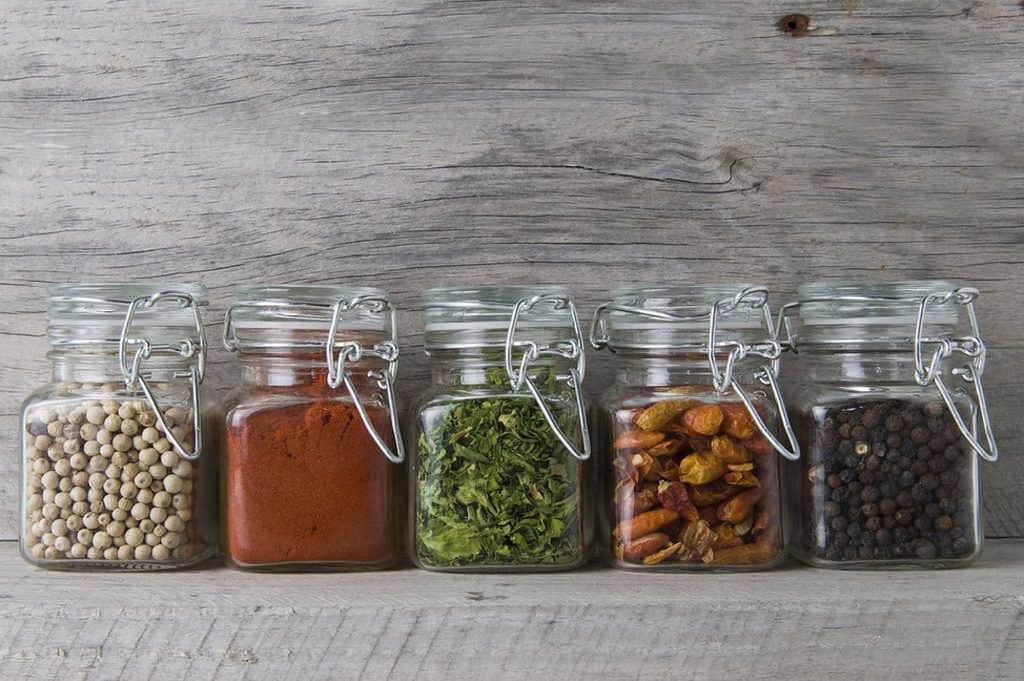
glass spice jars in a row
Angel Simon / Shutterstock

If your spice rack is slowly overflowing or has become a catchall for your favorite seasonings, becoming a cluttered mess, then it might be time to invest in some spice rack storage and organization. Sure, you could keep tossing your spice containers onto the shelf or into a drawer, hoping the disorganization will resolve itself. But why do that? There are several kitchen organization ideas just waiting for you to stumble across them. Thankfully, TikTok user @makeovermomma shared a fun spice drawer organizer update that both enhances spice organization and freshness.

@brooks_sartain

Spice drawer organization ✨ #viral #homedecor #decor #home #homevideo #kitchen #organize #organizing #aesthetic

♬ Dance You Outta My Head – Cat Janice

Tips for organizing a spice drawer

In her TikTok video, @makeovermomma shows just how she turned her cluttered spice drawer into a sleek and organized space.

  • First, she cleared out her existing spice containers and swept up any residual spices that had emptied into the drawer over time.
  • Then, using slanted inserts, she created rows to help prop up and divide her spices for easy viewing.
  • Next, she swapped out the old store-bought plastic spice containers for glass alternatives with bamboo lids.

The glass jars not only look more appealing, but they also make organizing your spices more uniform, make it easier to determine when you’re running low, and also keep spices fresher for longer. Using a funnel, she emptied the spices into the clear jars before labeling them and adding them to the new and improved racks.

Why is this such a good idea?

Glass jars and homemade labels look more attractive than their store-bought counterparts. Additionally, the slanted inserts make it easier to see every spice container, making it easier to find just what you need.

Kitchen organizer ideas: Other ways to store your spices

If a spice drawer isn’t your thing, you can always use your existing spice rack instead. Simply fill your glass jars, label your spices, and use tiered stands on the shelf to see all of your containers. While this will boost the aesthetics of your spice rack and enhance your kitchen design, it will also offer you more ease when cooking and more longevity with your spices.
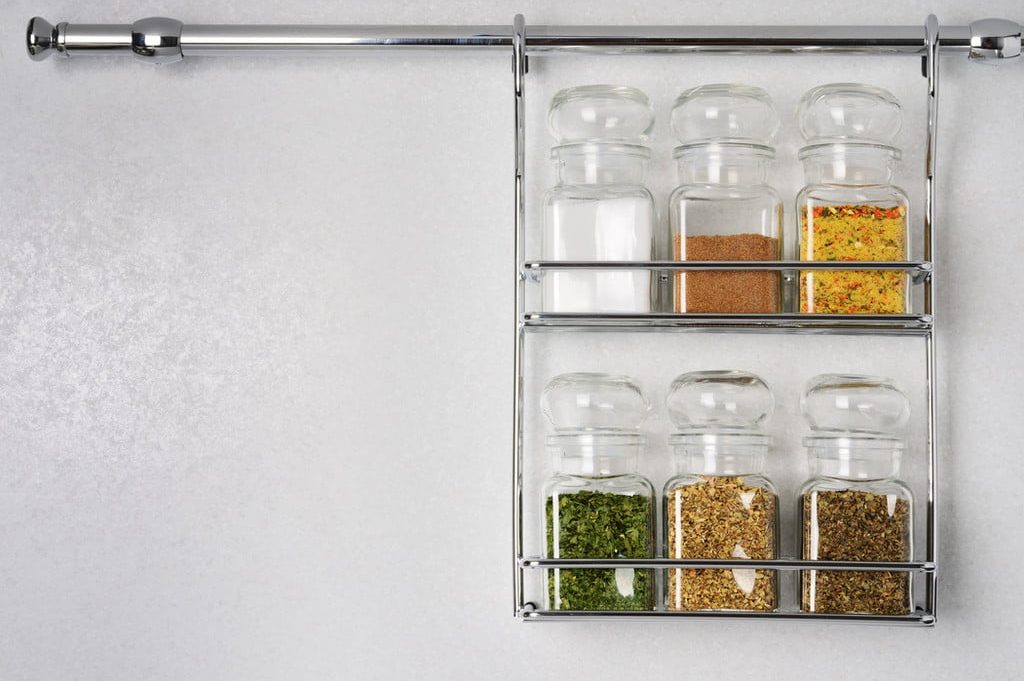
spice rack glass jars
Kuzmick / Adobe Stock

Why is it important to store spices in glass jars?

Many chefs and home cooks alike promote the amazing benefits of storing spices in glass containers. Glass jars often have a better seal and help spices retain their flavor and last longer before losing their luster or going bad. It’s also important to note that glass jars hold up better with long-term use and don’t risk leaching any unknown chemicals into foods the same way plastic sometimes does. If you want a durable and chemical-free option, glass storage jars are a must-have.

Additionally, glass jars can be reusable, making it much easier to maintain your spice drawer organization since you can refill them or swap out the spices whenever you like.

Having an organized spice rack can enhance the cooking experience by saving you time. Instead of scrambling through a cluttered spice rack or drawer, you can glance over and grab just what you need. Also, glass spice jars make it much easier to preserve your spices long-term, enhancing the cooking experience.

The Easiest Way to Set the Table
Cutlery, Fork, Spoon

Have you ever wondered why the fork sits on the left and the knife on the right? Or why Europeans eat “Continental style,” holding the fork in their left hand and the knife in their right, while Americans cut, switch hands, and then eat? It turns out there’s a reason for all of it, and once you understand the history, setting the table suddenly feels far less mysterious. Before beautifully layered place settings and Pinterest-worthy tablescapes, dining was far more practical. Medieval feasts were less about etiquette and more about survival. Plates were often shared, forks were nonexistent, and eating with your hands was the normal standard. Tables were filled with trenchers (pieces of bread used as plates), and the idea of “proper placement” simply didn’t exist.

By the mid-to-late 1800s (around 1860–1870), European dining evolved again as meals began to be served in courses. This shift introduced what became known as the Russian style of dining, where utensils were laid out intentionally and used from the outside in. The fork stayed in the left hand, the knife in the right, and the table itself began to reflect structure, rhythm, and order. This approach eventually became the “Continental style” still used across much of Europe today.

Read more
Color Drenching: The bold hue movement that is sticking around in 2026
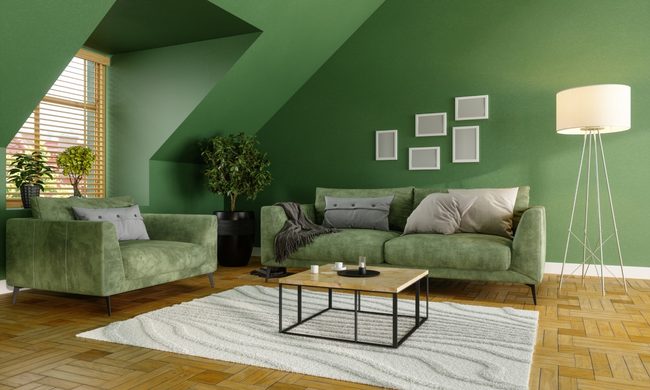
Green living room walls with velvet green sofas

What is color drenching?Color drenching is an interior design trend where a single color is used on every surface in a room. This includes walls, trim, doors, and even the ceiling, creating a cohesive and immersive atmosphere. The technique can make a small room feel larger or a spacious room feel cozier, and it often extends to furniture, radiators, and cabinetry for a bold, unified effect.

While the term color drenching is relatively new, the concept has deep roots in design history. The look can be traced to historic European interiors where monochromatic schemes added depth and luxury. Even in the Victorian era, richly saturated jewel tones were often used in grand spaces such as libraries and parlors. It reappeared during the 1960's and 1970's as well. Designers have long understood that a single, enveloping hue can create a striking sense of mood and continuity.

Read more
Houseplants: Which ones thrive in your home all year long?
Snake plant

So which plants can handle winter? For homes that tend to be cooler, hardy plants like Snake Plants (Sansevieria), Cast Iron Plants, and ZZ Plants (Zamioculcas zamiifolia) are ideal. The good news is that all three can handle temperature drops and limited sunlight. The Cast Iron Plant, for example, can thrive in conditions as low as 50 degrees Fahrenheit.

While not quite as hardy, other low-maintenance favorites include Pothos (Epipremnum), Spider Plants, Ferns, and Heartleaf Philodendrons. These do well in shadier, low-light spots and require minimal care.

Read more