
As the vibrant colors of summer give way to the cool days of autumn, it’s time to focus on fall lawn care. Many assume that their lawn needs less attention as the weather cools, but fall is actually a crucial time for preparing your grass for the harsh winter months ahead. Proper care ensures that your lawn stays healthy and comes back lush and green in the spring. Let’s discuss essential steps to take this fall so you can have a gorgeous outdoor space next summer.
The importance of fall lawn care

Fall lawn care is key to the overall health and longevity of your grass. During the fall, your lawn is busy absorbing energy, moisture, and nutrients in preparation for winter dormancy. Proper fall lawn care leads to stronger root systems, reduced weed growth, and a greener lawn when the warmer months return. Neglecting these tasks can result in weak, sparse grass that struggles after the winter thaw.
So, what should you do in the fall for a lush lawn in the spring?
1. Remove leaves and debris
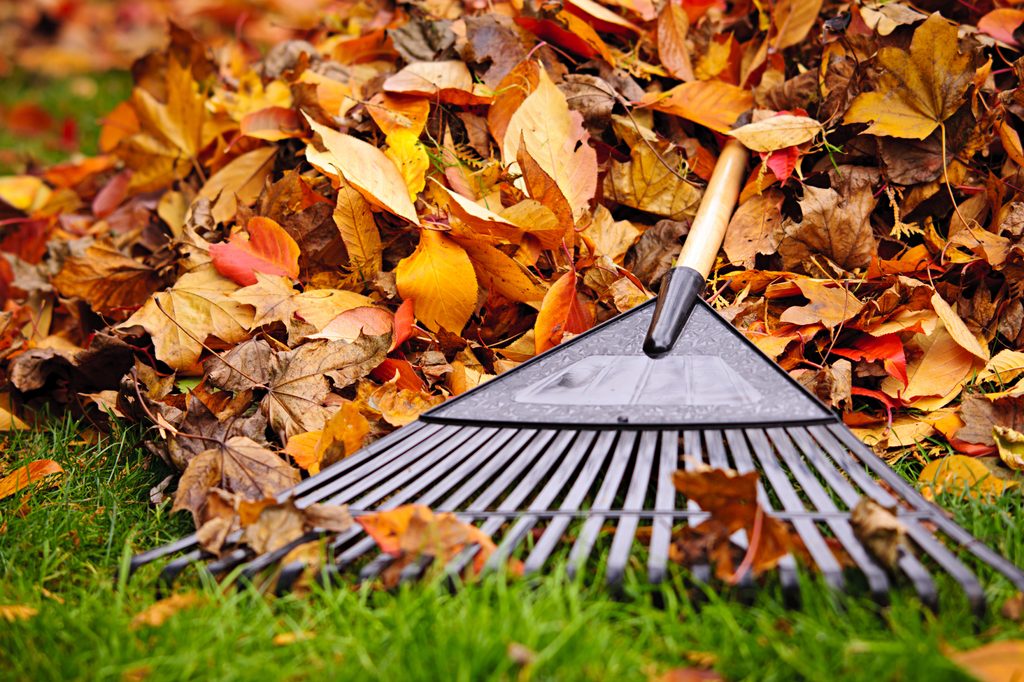
One of the first tasks in your fall lawn care routine should be removing leaves and debris that accumulate on your lawn. While a blanket of colorful leaves may look picturesque, it can actually be harmful to your grass. Leaves left on the lawn can smother the grass, blocking sunlight and trapping moisture, which can lead to fungal growth.
To remove leaves effectively, you can either rake them by hand or use a leaf blower. When raking, be gentle to avoid damaging the grass, and use a rake with flexible tines. If you prefer using a leaf blower, use it at a low speed to avoid disturbing the soil.
2. Mow your lawn properly
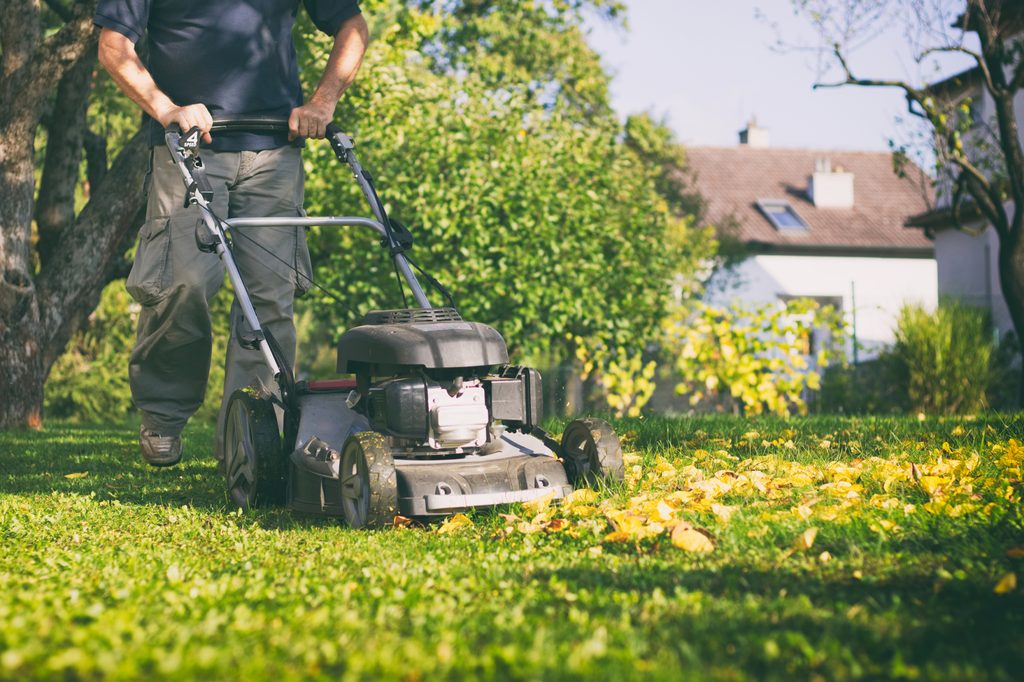
Autumn lawn mowing is a crucial part of fall lawn care, and it’s essential to get it right as the season changes. During the fall, gradually lower the height of your mower blades to ensure you trim your grass to the ideal length. Generally, the recommended grass height for fall is about 2.5 to 3 inches. Cutting your grass too short can stress it, making it more susceptible to winter damage. Leaving it too long can invite pests and disease.
Mow your lawn regularly throughout the fall, ensuring that you never remove more than one-third of the grass blades at a time. As the weather cools, your grass will grow more slowly, so you may need to mow less frequently. However, it’s important to keep up with mowing until the grass stops growing entirely.
3. Adjust your watering schedule
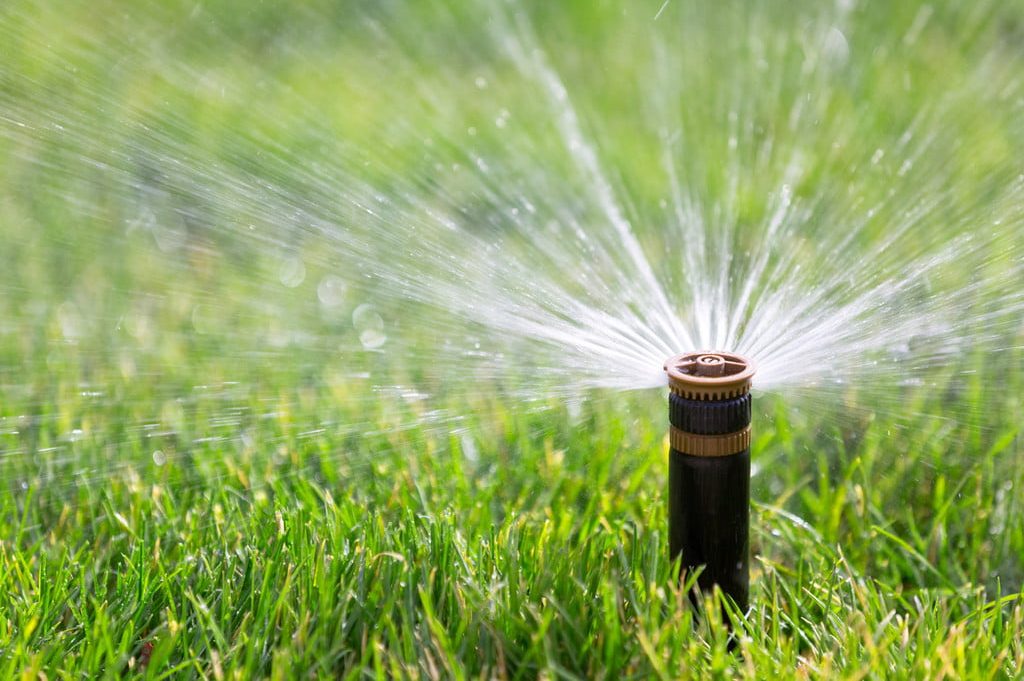
As temperatures drop during the change of seasons, your lawn’s watering needs will change. Overwatering during autumn can lead to problems like fungal diseases and root rot. To prevent these issues, adjust your watering schedule accordingly.
Typically, fall lawns require less frequent watering than in the summer. Aim to water your lawn about once or twice a week, depending on the rainfall in your area. It’s best to water in the morning to give the grass time to dry out during the day, reducing the risk of fungal growth.
If you have an irrigation system, adjust the settings to match your lawn’s fall needs. Keep an eye out for signs of overwatering, such as yellowing grass, soggy soil, or the presence of mushrooms.
4. Perform fall aeration
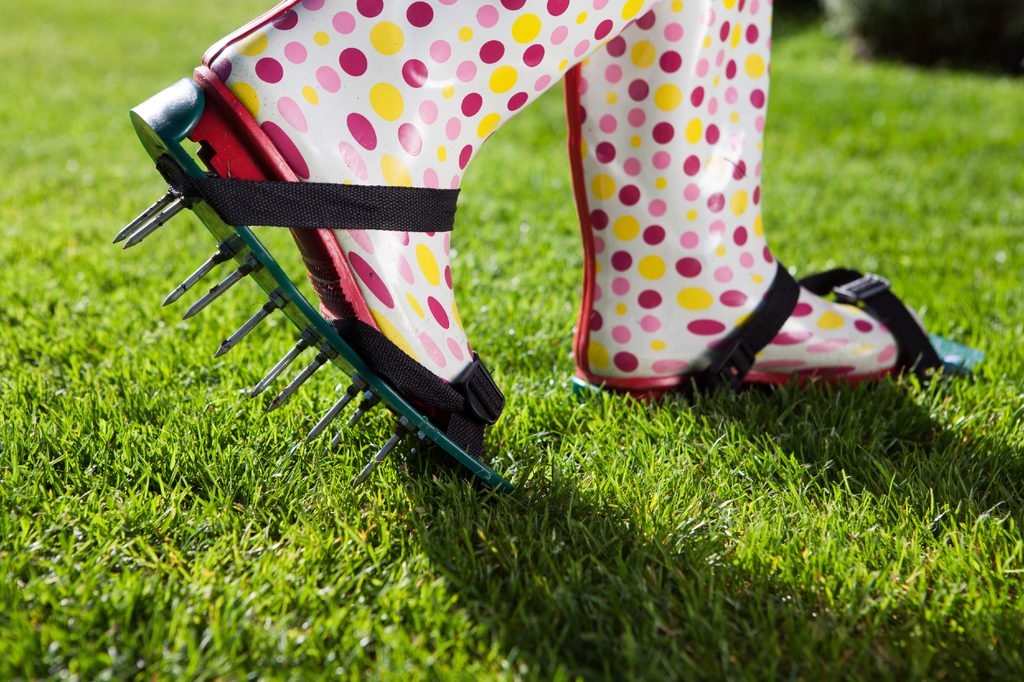
Aeration is a vital part of fall lawn care that can significantly improve the health of your grass. Over time, soil can become compacted, making it difficult for air, water, and nutrients to reach the roots of your grass. Aeration involves perforating the soil with small holes to alleviate compaction and promote better root growth.
The best time to aerate your lawn is during the fall when the grass is still actively growing, but the weather is cooler. You can perform aeration using a manual aerator or a machine. If your lawn is particularly large or heavily compacted, professional aeration may be necessary to achieve the best results.
5. Fertilize for fall
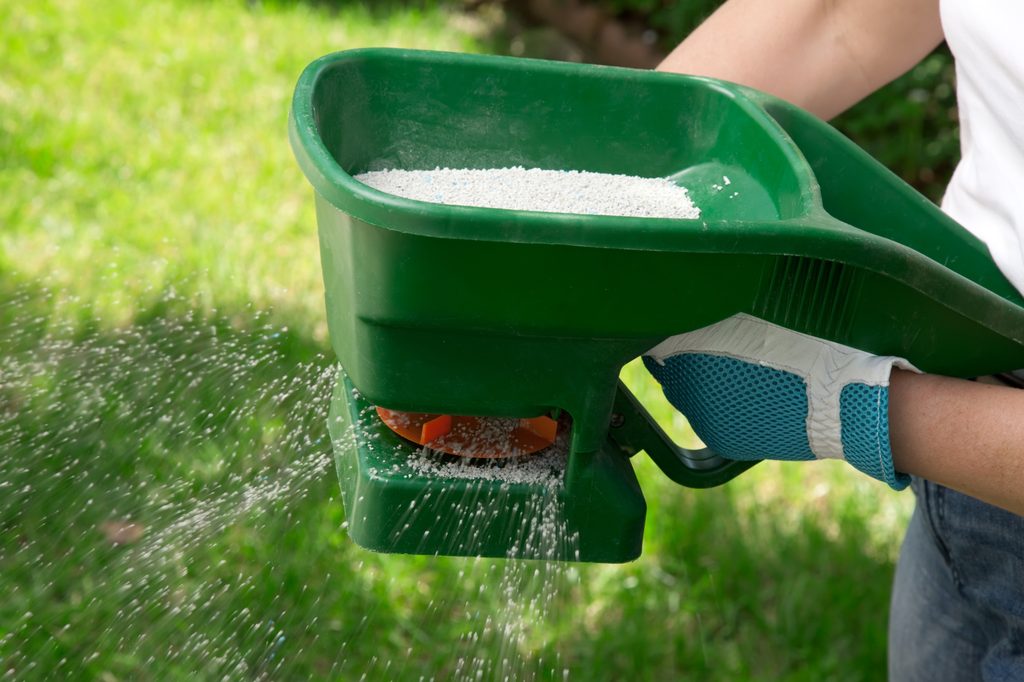
Fertilizing in the fall is one of the best ways to prepare your lawn for the winter. A good fall lawn fertilizer provides your grass with essential nutrients like nitrogen, phosphorus, and potassium, which help strengthen the roots and promote healthy growth.
When choosing a fertilizer, look for one labeled as a “fall” or “winterizer” fertilizer. These products are specially formulated to meet the needs of your lawn during this season. Apply the fertilizer evenly across your lawn, following the instructions on the packaging for the best results.
It’s generally recommended to fertilize your lawn in mid to late autumn, giving the grass enough time to absorb the nutrients before winter sets in.
6. Overseed

Overseeding is the process of spreading grass seed over your existing lawn to fill in thin or bare areas. Fall is an excellent time to overseed because the cooler temperatures and increased moisture create ideal conditions for seed germination.
When choosing grass seed for overseeding, select a variety that matches your existing lawn and is well suited to your climate. To overseed, mow your lawn to a shorter height, then use a spreader to distribute the seed evenly across the lawn. After overseeding, moisten the soil by watering lightly and frequently until the new grass is established.
7. Control weed growth
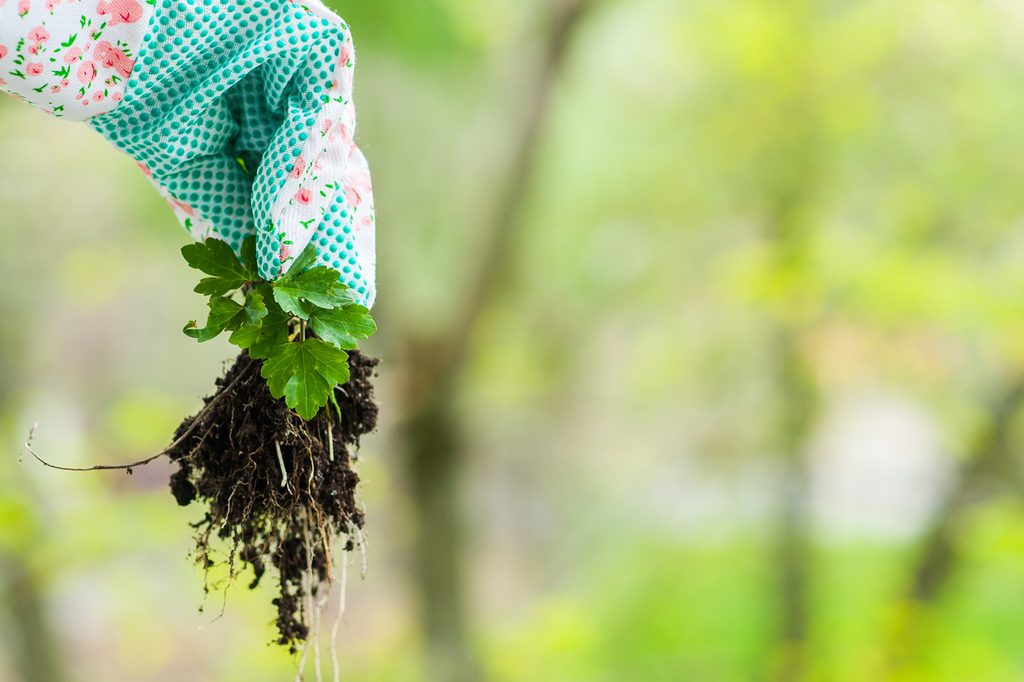
Weeds can be a persistent problem on any lawn, and fall is no exception. As part of your fall lawn care routine, it’s important to address weed growth before it becomes a bigger issue. Many weeds, like dandelions and clovers, can thrive in the cooler weather, so taking action now can save you headaches later. One effective way to control weeds in the fall is by using a homemade weed killer. You can also apply a pre-emergent herbicide. This type of herbicide works by preventing weed seeds from germinating, stopping the problem before it starts.
Taking the time to implement proper fall lawn care can make a significant difference in the health and appearance of your lawn. By following these steps, you’re ensuring that your grass is well prepared for the winter months ahead. Come spring, your lawn will thank you with lush, vibrant growth that enhances the beauty of your home.