If you find yourself digging through drawers multiple times a day, looking for anything from your favorite pair of socks to a socket wrench, it’s time to learn how to organize a drawer and keep it that way. The good thing about this life lesson is it will save you time, energy, and frustration forever. So, let’s take a look at our drawer organization tips.
Categorize, categorize, categorize
With any organization project, whether it’s decluttering your closet or color-coding documents, the most sensible first step is categorizing. This means determining what each drawer will hold and upholding this rule for every drawer. The Container Store suggests neatly separating the contents of your drawers.
It’s crucial that you also let family members know about your organization plans — that way, everyone can avoid misplacing items. Also, it will keep the entire household from reverting back to your former disorganized ways. If it helps, you can print out labels and clearly mark what goes in each drawer. If laminated labels aren’t your thing, try chalkboard paint or using gift tags for each drawer handle — the more specific, the better.
The kitchen
The kitchen is perhaps one of the biggest organization behemoths in the home. Pots and pans, utensils, spices — there are so many categories in this room that it might make your head spin. Take a deep breath, and let’s take it one step at a time.
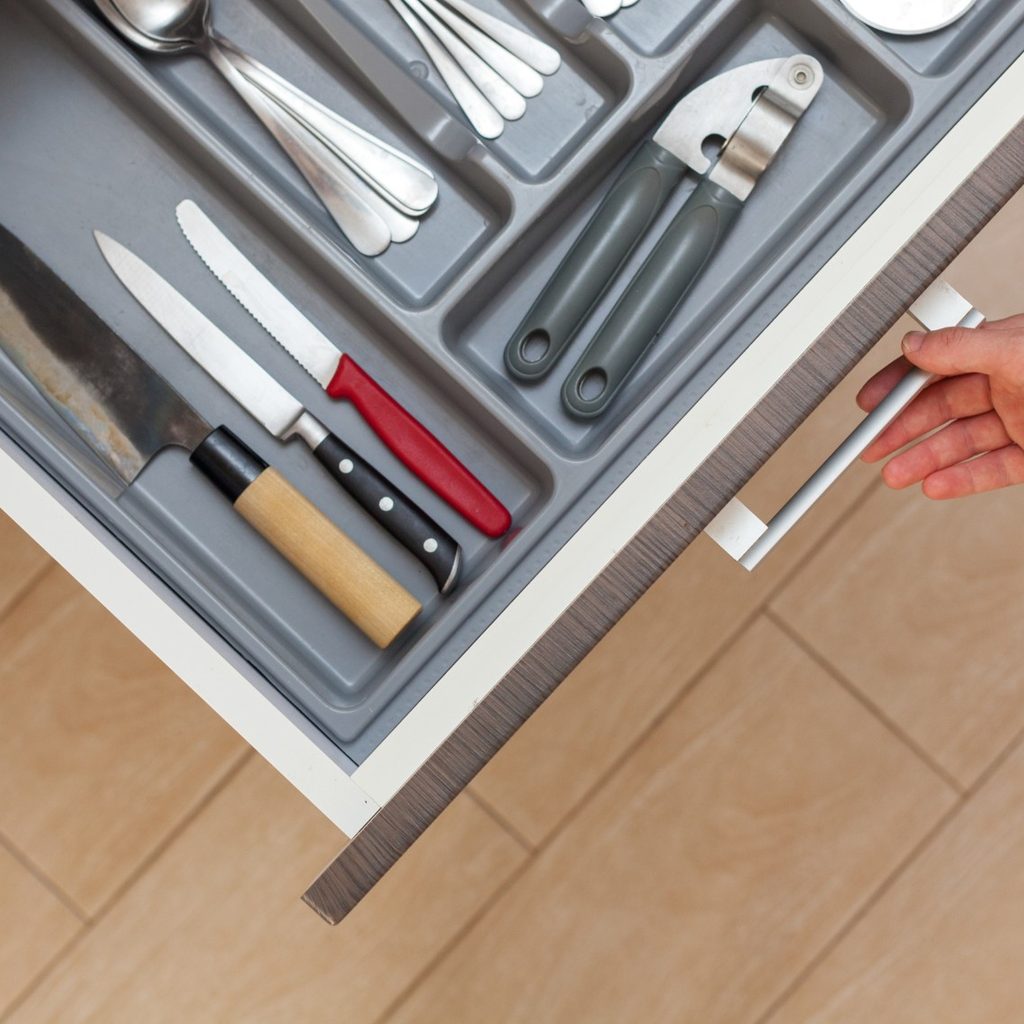
We recommend using trays and dividers in every drawer in your kitchen unless a few large items can take up a single drawer. For example, your largest pot can probably take up one entire drawer, so a divider isn’t necessary in that drawer. Store smaller pots inside a larger pot to save space, and keep the lids in a separate drawer.
For small items like spice containers, utensils, measuring cups, and other gadgets, dividers keep them from moving around or getting pushed to the back, sending you on a wild goose chase every time you need that one specific item; Good Housekeeping also suggests this.
The bathroom
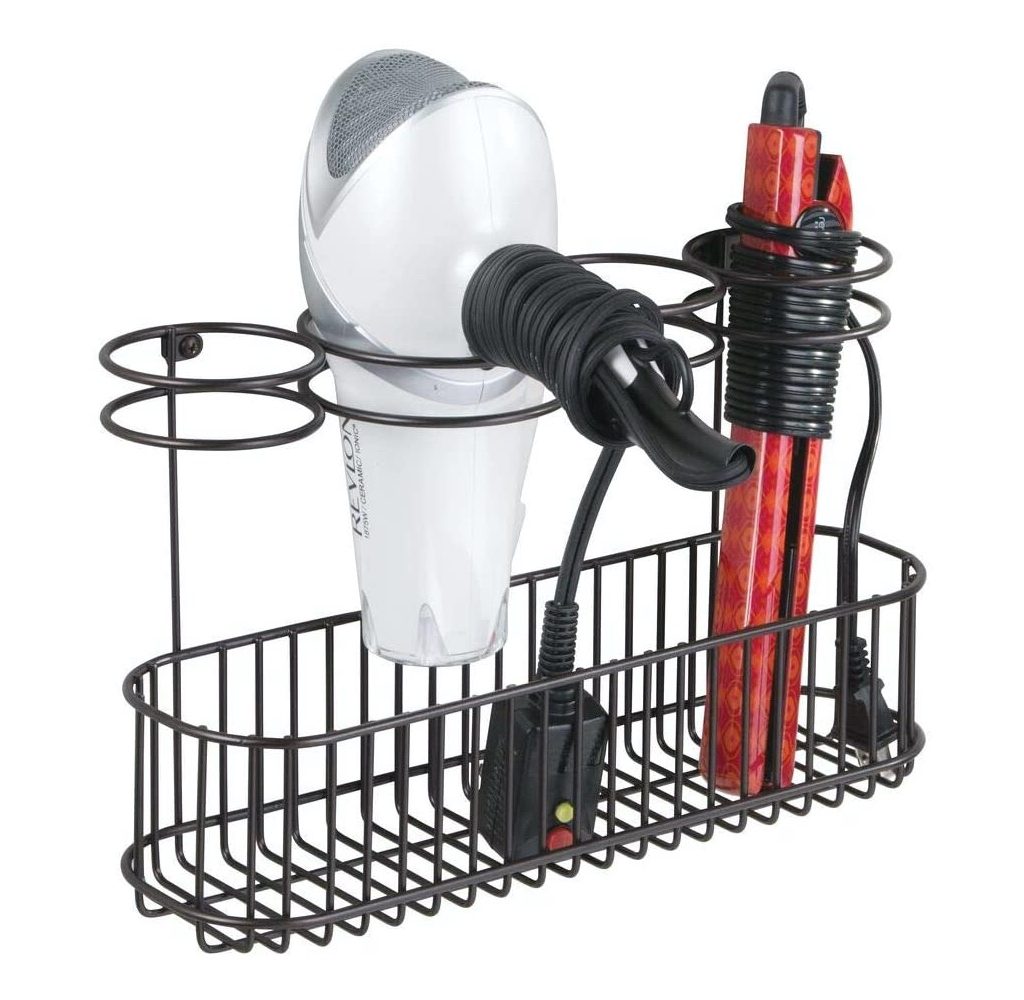
Use dividers made of easy-to-clean materials (like acrylic or other hard plastics) in the bathroom. Miniscule items, like cotton swabs and hairpins, should be kept in even smaller containers that go in your drawer trays, like Apartment Therapy suggest. Conduct a monthly inventory check, and dispose of expired or unused items to prevent buildup. Make use of hooks.
Before purchasing new products, make sure you use up old ones to avoid excess. Keep things off of counters, no matter how convenient it may be to have items within reach. This means putting away hairbrushes, face cleaners, and toothbrushes when you’re done.
The bedroom
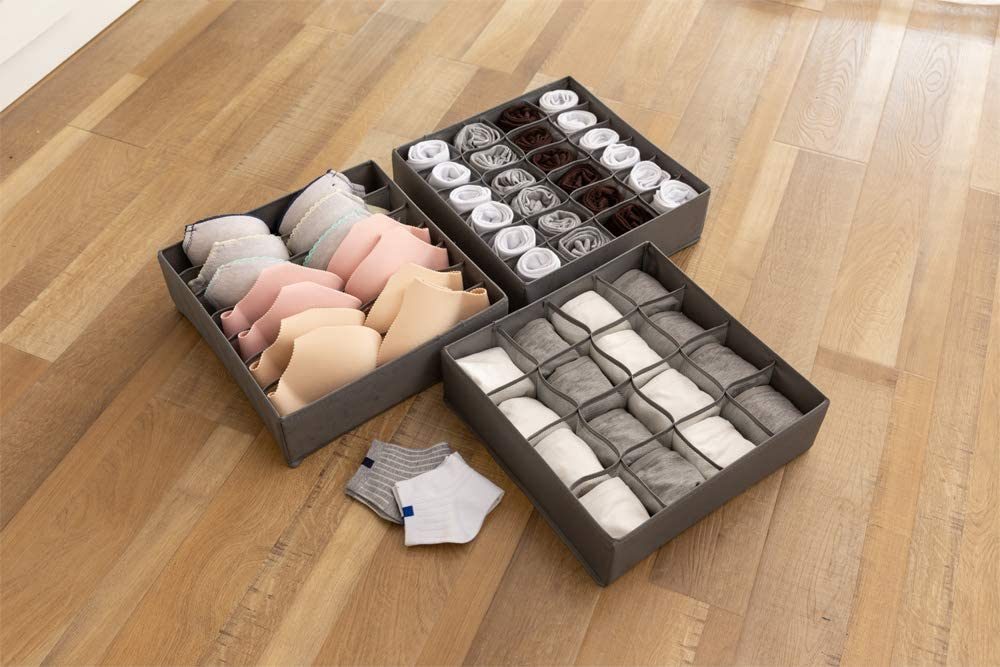
Your bedside tables and dresser are your main concerns in the bedroom. For bedside tables, reserve one drawer for essentials, like electronic chargers, books, essential oils, glasses, medication, and other items you use on a daily basis. Then, keep the items you use less frequently in another drawer. For example, this drawer can contain jewelry and emergency supplies like flashlights, candles and matches, and batteries.
For dressers, group clothing by type. Here’s a sample breakdown for a four-tier dresser:
- Top drawer: Intimates and socks
- Second drawer: Shirts
- Third drawer: Pants
- Bottom drawer: Accessories (scarves, gloves, etc.)
Roll up shirts and small items, and tuck them into trays so you can easily find them and pick them out every time. Don’t let laundry pile up (or try not to as much as possible), and always put away clothes when you can.

The office
Your office or makeshift office is an important space to keep clean. An uncluttered work area can lead to more productivity and leaves your brain to come up with brilliant ideas instead of worrying about the mess.
Ideally, your desk should have a drawer or drawer attachment for common supplies like pens, markers, staplers, and paper clips. Tool trays are most effective here, especially for irregular-sized items like hole punchers. Attach magnets to trays for controlling metallic bits like paper clips, tacks, and staples.
Home office organization and management is crucial for your sanity and productivity. You don’t want to be surrounded by chaos and traffic during working hours. If your home office is used as an arts and crafts workstation, we recommend investing in a rolling cart with drawers to stash your vast collection of supplies. These carts often come with large drawers but purchase separate trays for better organization.
From the bedroom to your kitchen, a clean drawer means more time for recreational activities or professional business. As you become better at organizing and establishing your own cleaning systems, the easier your life will become. With convenient inserts, trays, and dividers, learning how to organize a drawer has never been easier. Now, all you need is one day off and a Spotify cleaning playlist, and you’ll be one step closer to a clutter-free paradise.