
  1. Home
  2. Hacks & How-to's
  3. Evergreens

The best cities for EV charging stations are all on the West Coast

These West Coast cities are the easiest to find EV charging stations

Add as a preferred source on Google
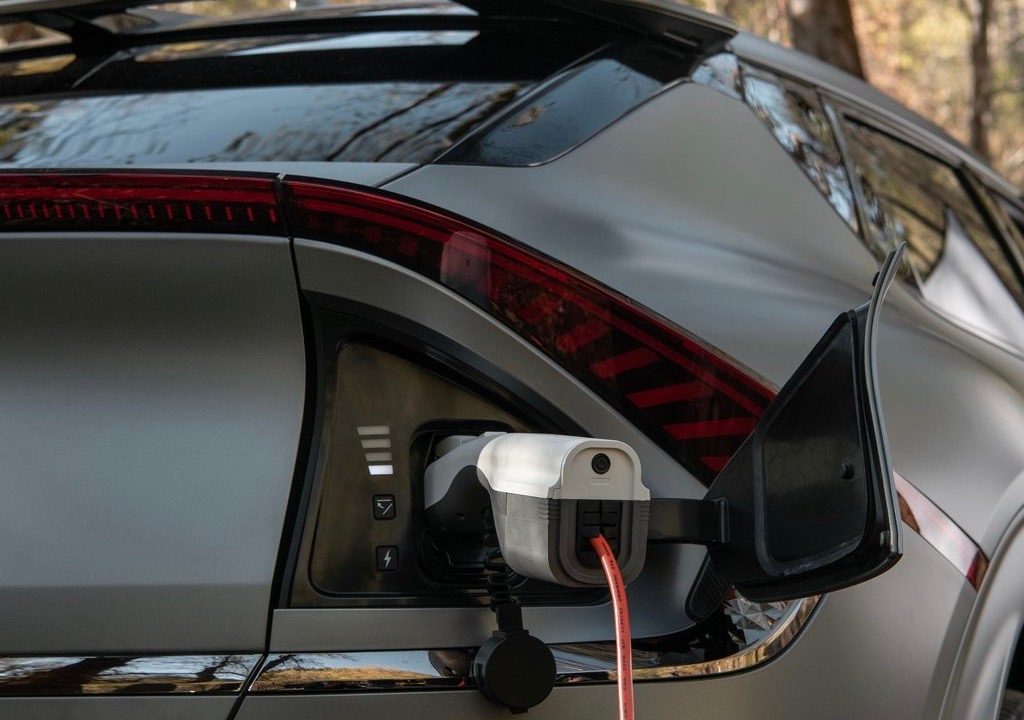
Kia EV6 2022 charging
Image used with permission by copyright holder

The electric car market continues to heat up, and with that comes EV charging stations popping up at lightning speed. Electric vehicle sales came in at 800,000 in 2022, a whopping 65% increase compared to the prior year, according to research from Storage Cafe. But it’s not just cars — there were 5,000 electric buses in operation in 2022 nationwide, and those also need to recharge while they’re on the go.

If you own an electric car and live in an area that’s at the bottom of the pack in terms of availability around town, you know the frustration it can bring when planning a trip or just timing appointments. If you’re thinking of moving and this is on your list of considerations, the West Coast seems the place to be.

Top EV charging cities

If you want to live in the top city for an EV owner, Seattle, Washington is considered the best metro area for electric cars. There are a few reasons for this, including the number of EVs, charging stations around town, and clean energy production. Another thing to note, an eGallon costs about 90 cents, significantly lower than a tank of gas.

Surprising no one, California takes more than half of the top cities to own an electric vehicle, with cities like San Jose, San Francisco, and Sacramento. Not only do they boast a number of charging stations in each city, California’s environmental-friendly policies also make it an ideal place to live if you want to do your part for the environment. The only southern city to make it into the top 10 is Miami, Florida.

Top EV-owner states

Unsurprisingly, the top states with electric vehicle owners seem to match the number of charging stations. California dwarfs the competition with 878,000 EV owners as of 2021. Florida and Texas come in at number 2 and number 3, with 128,000 and 112,000 owners, respectively. Other states like Arizona, Massachusetts, and Illinois also hold a place in the top 10.
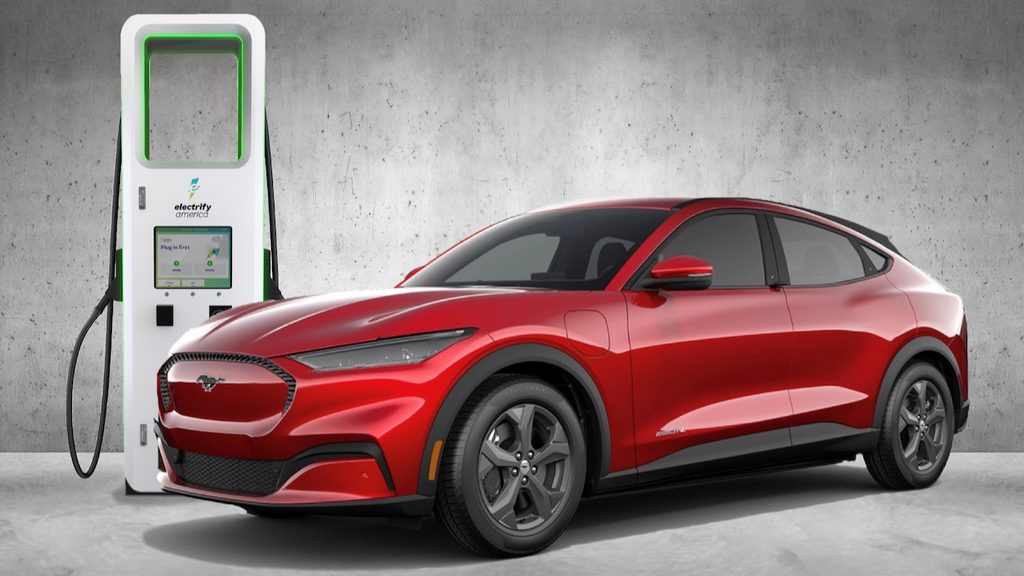
Ford Mustang MachE EV plugged in a charging station
Image used with permission by copyright holder

In terms of car manufacturers, Tesla is still the market leader, but names like Ford, Kia, and Mercedes aren’t far behind. So, with all the stations and infrastructure happening to make it easier to charge, will it be enough? According to Sarah Kurtz, Ph.D., Professor, University of California, Merced, the answer is no. “France recently mandated putting solar panels over parking lots. If our parking lots have solar panels and electric vehicle charging, it will be easy for even people without garages to charge vehicles, she said. “We need that level of convenience for everyone. However, we are a long way away from making it easy for everyone to charge their vehicle.” But she does believe EVs are here to stay. “I think we can expect that they will be increasingly popular as long as we can keep electricity prices low,” she said.

Julie Scagell
Former Author
The Easiest Way to Set the Table
Cutlery, Fork, Spoon

Have you ever wondered why the fork sits on the left and the knife on the right? Or why Europeans eat “Continental style,” holding the fork in their left hand and the knife in their right, while Americans cut, switch hands, and then eat? It turns out there’s a reason for all of it, and once you understand the history, setting the table suddenly feels far less mysterious. Before beautifully layered place settings and Pinterest-worthy tablescapes, dining was far more practical. Medieval feasts were less about etiquette and more about survival. Plates were often shared, forks were nonexistent, and eating with your hands was the normal standard. Tables were filled with trenchers (pieces of bread used as plates), and the idea of “proper placement” simply didn’t exist.

By the mid-to-late 1800s (around 1860–1870), European dining evolved again as meals began to be served in courses. This shift introduced what became known as the Russian style of dining, where utensils were laid out intentionally and used from the outside in. The fork stayed in the left hand, the knife in the right, and the table itself began to reflect structure, rhythm, and order. This approach eventually became the “Continental style” still used across much of Europe today.

Read more
5 tips to de-clutter your kitchen for the holidays
kitchen holiday

'Tis the season for holiday gatherings, which means your kitchen needs to be organized to avoid unnecessary stress. Here are some handy tips to follow.

1. Refresh your fridge and freezer

Read more
Color Drenching: The bold hue movement that is sticking around in 2026
Green living room walls with velvet green sofas

What is color drenching?Color drenching is an interior design trend where a single color is used on every surface in a room. This includes walls, trim, doors, and even the ceiling, creating a cohesive and immersive atmosphere. The technique can make a small room feel larger or a spacious room feel cozier, and it often extends to furniture, radiators, and cabinetry for a bold, unified effect.

While the term color drenching is relatively new, the concept has deep roots in design history. The look can be traced to historic European interiors where monochromatic schemes added depth and luxury. Even in the Victorian era, richly saturated jewel tones were often used in grand spaces such as libraries and parlors. It reappeared during the 1960's and 1970's as well. Designers have long understood that a single, enveloping hue can create a striking sense of mood and continuity.

Read more