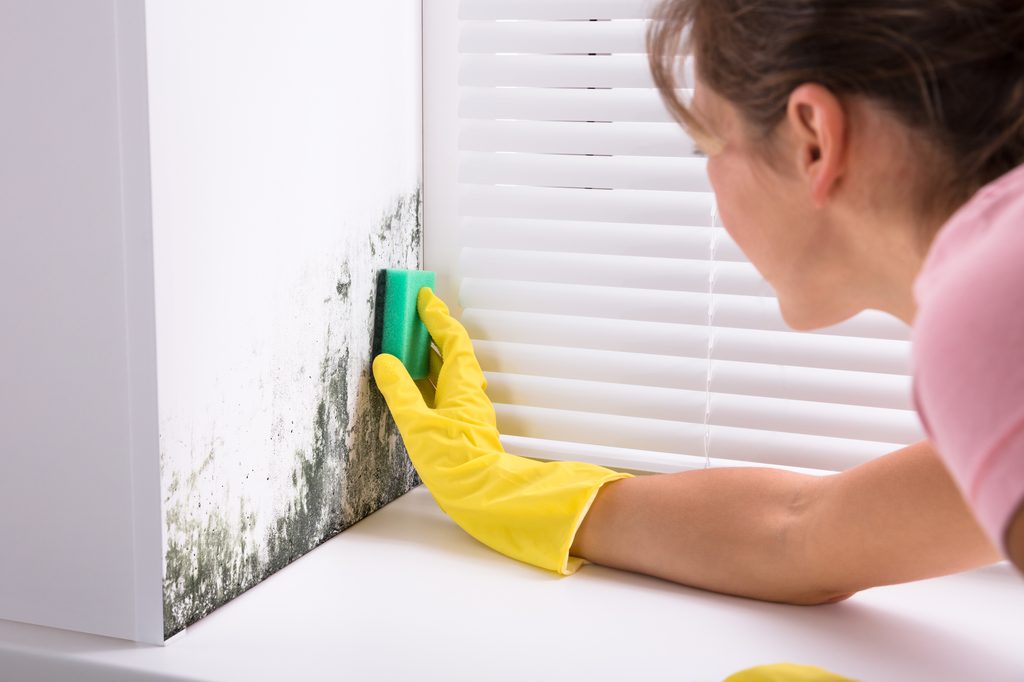
Mold is a persistent problem in many households, thriving in damp and poorly ventilated areas. While there are numerous commercial products designed to combat mold, many people turn to natural cleaning solutions. One of the most popular is vinegar. But does vinegar kill mold? Let’s explore the efficacy of vinegar as a mold killer and provide a comprehensive guide on its use.
Vinegar’s cleaning properties
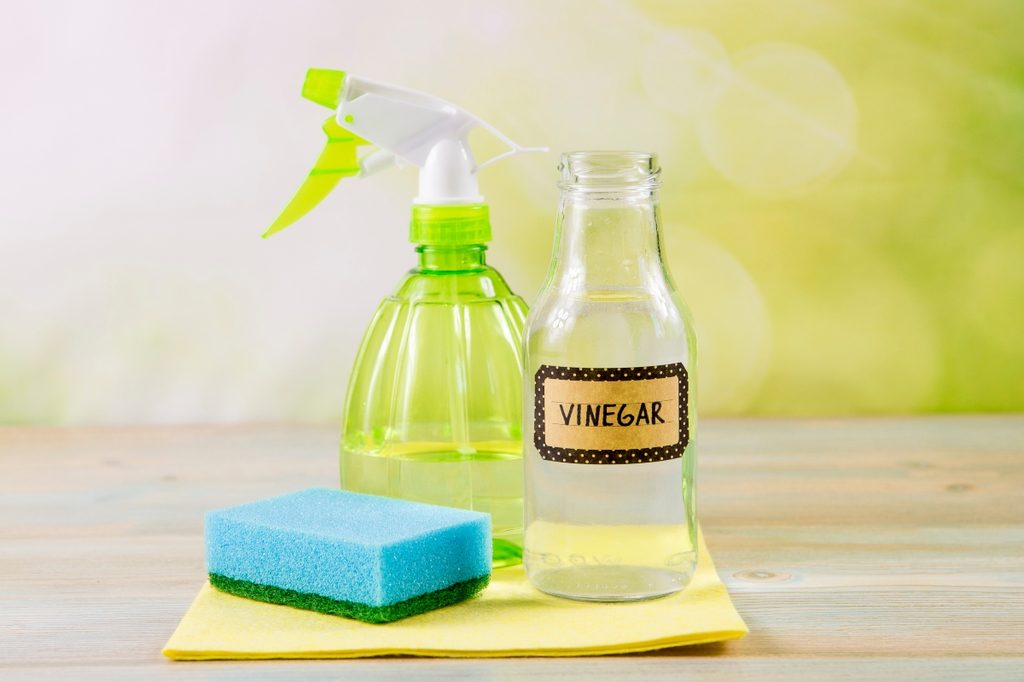
Vinegar is a versatile household staple that has been used for centuries for cleaning purposes. It is a mild acid, typically containing 4% to 8% acetic acid, which gives it its distinctive tangy scent and flavor and potent cleaning abilities. Vinegar is known for its antifungal and antibacterial properties, making it an excellent choice for tackling various household cleaning tasks.
When it comes to mold, vinegar is often praised for its ability to kill and inhibit the growth of this pesky fungus. Its acidic nature can break down the structure of mold spores, effectively killing them. Additionally, vinegar is a cost-effective and readily available cleaner, making it an attractive option for those looking to address mold issues without resorting to harsh chemicals.
Does vinegar kill mold? It’s complicated …
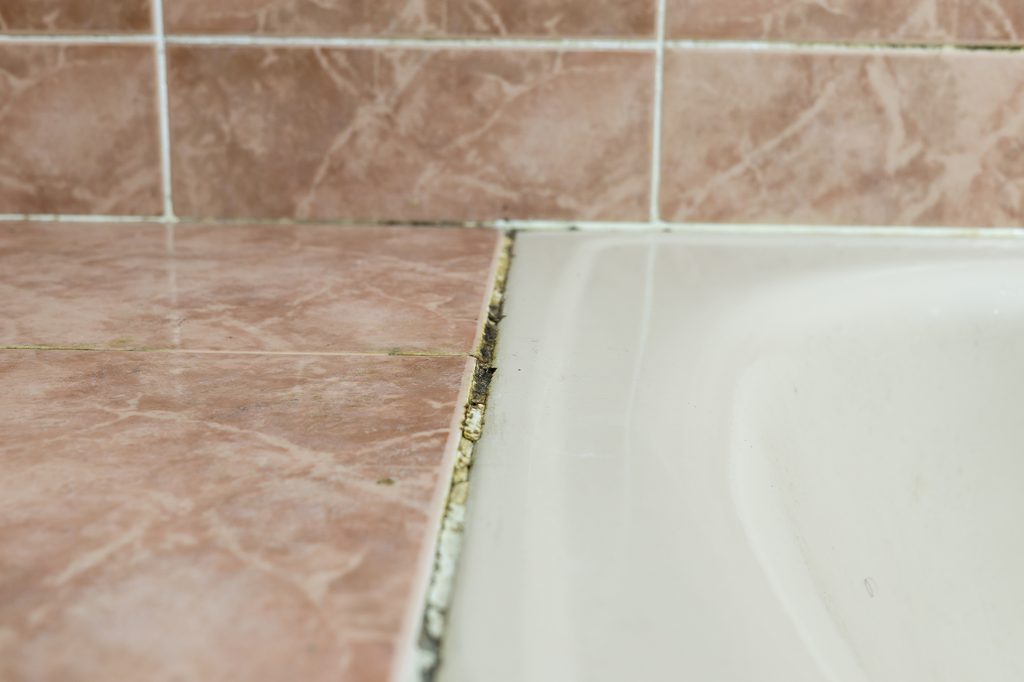
While vinegar is indeed capable of killing mold, its effectiveness can be limited by the type of surface it is applied to. On nonporous surfaces, such as glass, tile, and countertops, vinegar can effectively kill mold and prevent it from returning. However, when it comes to porous surfaces like wood, drywall, and fabric, the story is different.
Mold tends to grow deep into the pores of these materials, which vinegar might not be able to reach. This means that while vinegar can kill mold on the surface, it may not completely eradicate the problem, allowing mold to regrow from spores hidden deep within the material. Therefore, addressing mold on porous surfaces often requires more comprehensive solutions, including professional remediation in severe cases.
Surfaces safe for vinegar use
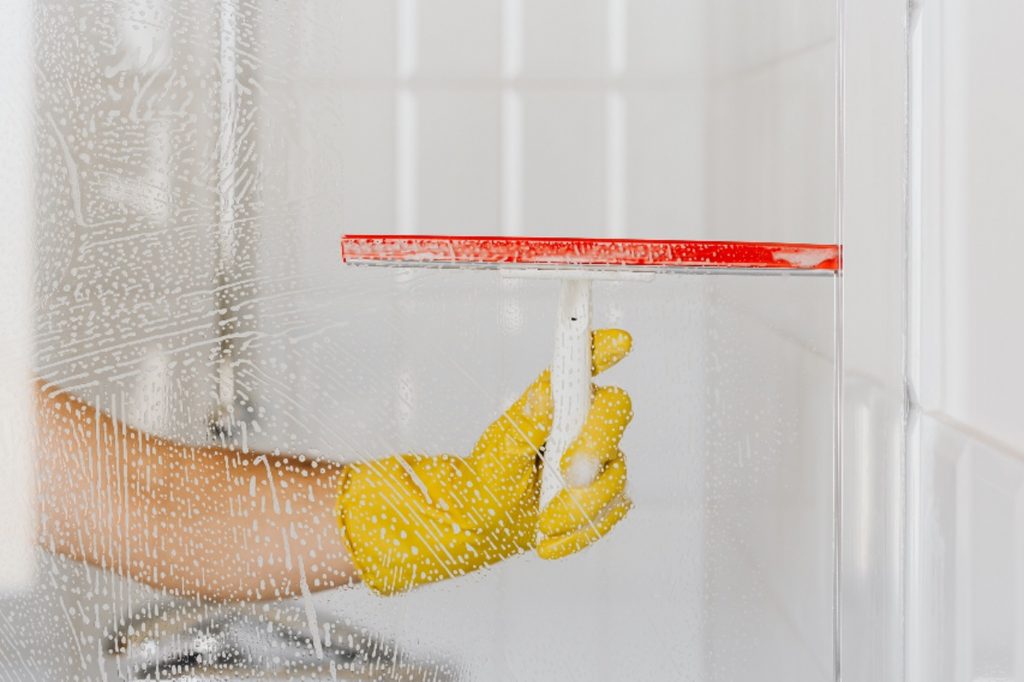
Vinegar is safe to use on a variety of surfaces, making it a versatile cleaning agent. Some of the surfaces where vinegar can be effectively used to completely kill mold include:
- Glass
- Tile
- Ceramic
- Plastic
These surfaces are nonporous or less likely to be damaged by the acidity of vinegar, allowing it to work effectively in removing mold.
When not to use vinegar

Despite its many benefits, vinegar isn’t suitable for use on all surfaces. There are several materials where vinegar can cause damage or be less effective, including:
- Finished wood: Vinegar can strip away the finish and damage the wood.
- Stone surfaces: Natural stones like marble, granite, and limestone can be etched and damaged by the acid in vinegar.
- Damaged or unsealed grout: Vinegar can further degrade already compromised grout.
- Certain metal surfaces: Vinegar can corrode metals like aluminum, copper, and even some grades of stainless steel.
It’s essential to be aware of these limitations to avoid inadvertently causing damage while trying to clean mold.
Other ways to kill mold
While vinegar is a popular natural solution, there are other methods to consider for killing mold:
- Bleach: Effective on nonporous surfaces but can produce harmful fumes and damage certain materials.
- Tea tree oil: A natural antifungal that works well but can be expensive.
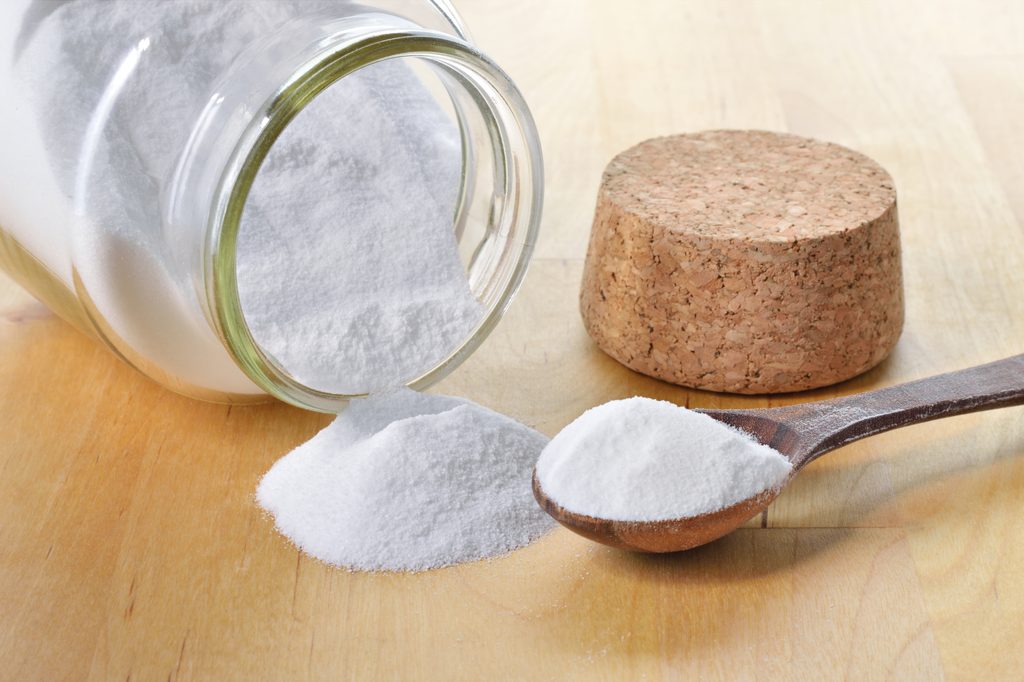
- Baking soda: A gentle abrasive that can be used in conjunction with vinegar for added effectiveness.
- Hydrogen peroxide: An antiseptic that kills mold spores on a variety of surfaces.
Each of these alternatives has its pros and cons, making it important to choose the right one based on the specific surface and extent of mold growth.
So, does vinegar kill mold? Yes, but its effectiveness depends on the surface and severity of the mold problem. Vinegar is a powerful, natural cleaning agent that can effectively kill mold on nonporous surfaces. However, for mold growing on porous materials, additional measures may be necessary to completely eradicate the problem.
Always consider the surface type and extent of mold growth when choosing your mold-fighting strategy, and don’t hesitate to seek professional help for severe mold problems. By understanding the capabilities and limitations of vinegar, you can make informed decisions to keep your home free of mold and healthy.