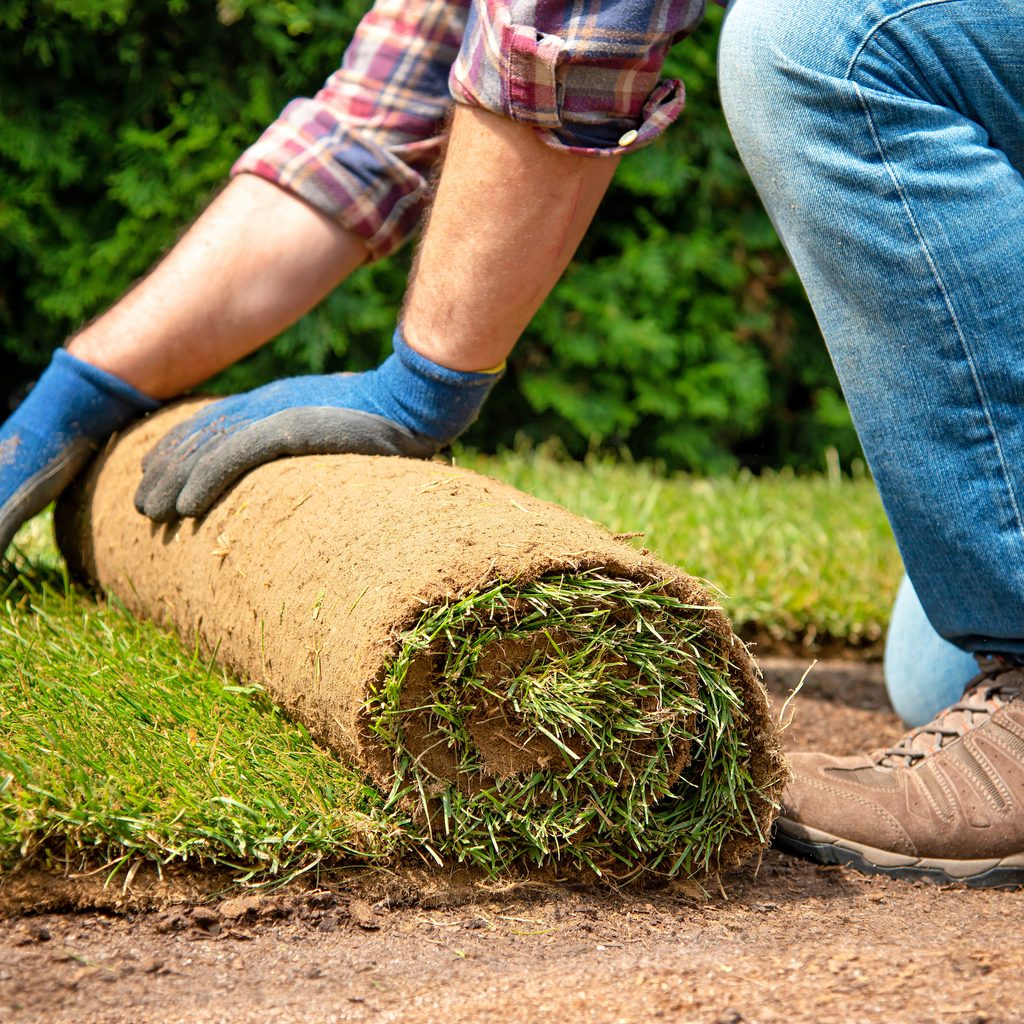
If you need a new lawn quickly, sod is definitely the way to go. But how often should you water new sod, and how exactly should you water it once it’s installed? Unfortunately, sod it’s not cheap, so you want to ensure your investment is taken care of. Professional installation of just 500 square feet of sod, an area slightly smaller than two parking spaces, typically costs upward of $750 for materials and labor.
Even then, most landscapers can’t guarantee a healthy and flourishing lawn. If it dies, you have to pay even more to replace it. With that kind of investment on the line, give your lawn the care it needs to grow. All it takes is water and a little bit of patience.
What you will need to water your sod
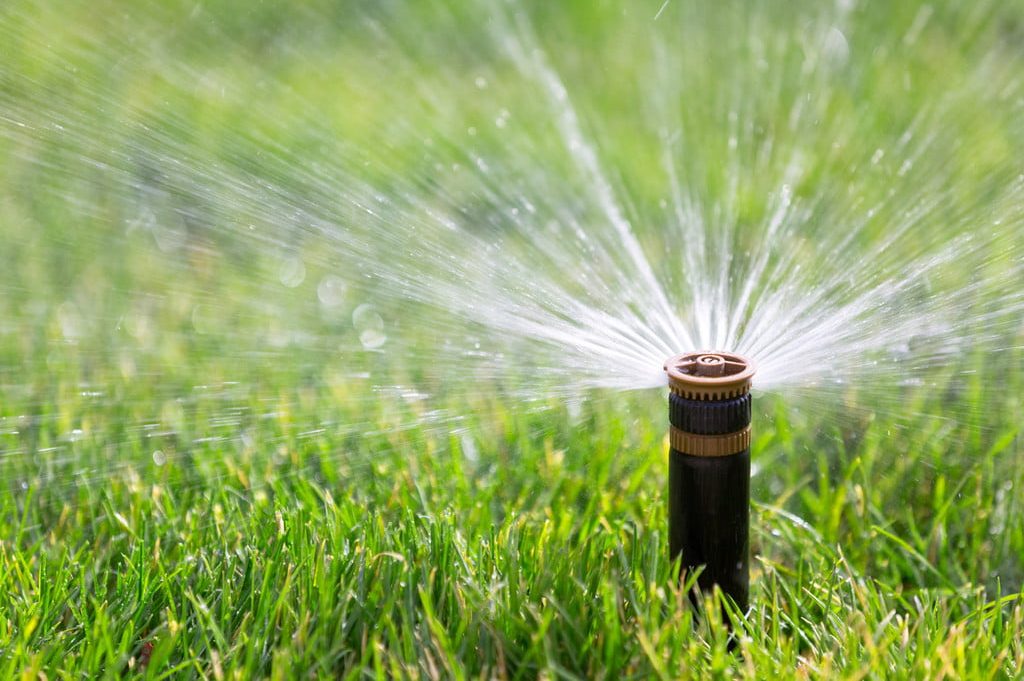
If you don’t have an in-ground sprinkler system, you will need the following equipment:
- Garden hose(s) long enough to reach the entire sodded area
- Hose-end lawn sprinkler(s) of your choice
- Several rain gauges
- Hose “Y” or manifold splitter (optional)
- Hose timer/automatic shutoff (optional)
Start off right with your brand-new sod
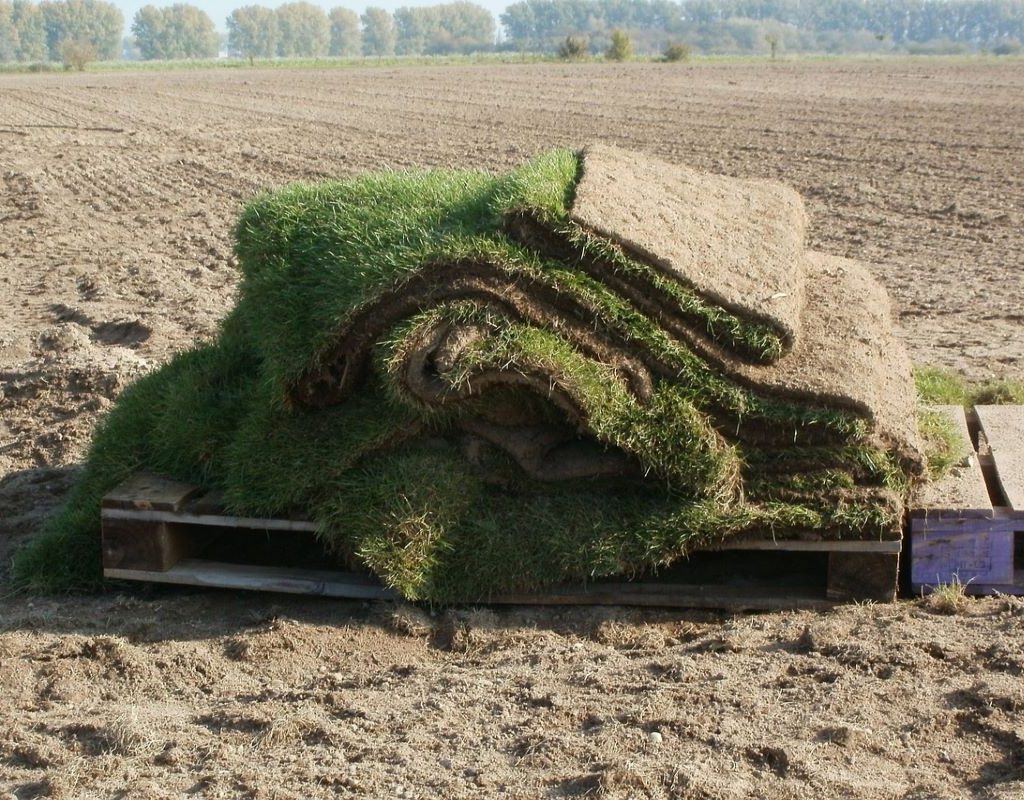
Whether you hire a professional landscaping company or lay sod yourself, lawn grass establishes roots about six inches deep into the soil. When the sod is harvested, however, it typically comes with a one-inch layer of soil and roots. Most of the feeder roots were left behind at the farm, and the grass will need to regrow its root system in your yard. Minimize transplant shock and encourage healthy roots by installing sod on well-prepared soil within 24 to 48 hours after harvest.
Wet the soil before laying sod
On sunny days, dry, hot, bare soil can burn the roots. This is doubly true if lime and lawn starter fertilizer are lying on the soil’s surface. Avoid burning the roots by thoroughly tilling fertilizer and lime into the upper three inches of soil and watering the prepared soil ahead of installation. Doing so will cool the surface, dissipate any concentrated pockets of fertilizer, and provide a little bit of moisture for the new grass.
Water the newly laid sod as soon as possible
Immediately after installing the new grass, water it deeply. On large projects, start watering as soon as the first pallet or two are laid. Early, thorough watering promotes better root-to-soil contact, eliminates air pockets, and most importantly, begins to establish a moisture reserve that will prevent the sod from drying out.
Saturate the soil after installation
Water the sod deeply to saturate the soil beneath. On heavy clay, water only to the point of runoff, but, for lighter soil, apply one to two inches of water immediately after installation. In either case, the soil should be wet three to four inches deep. To check the saturation, peel back a few of the sod pieces and dig down to determine the depth of moisture. Double back and rewater any dry zones several times to achieve adequate water penetration.
How often should you water new sod?
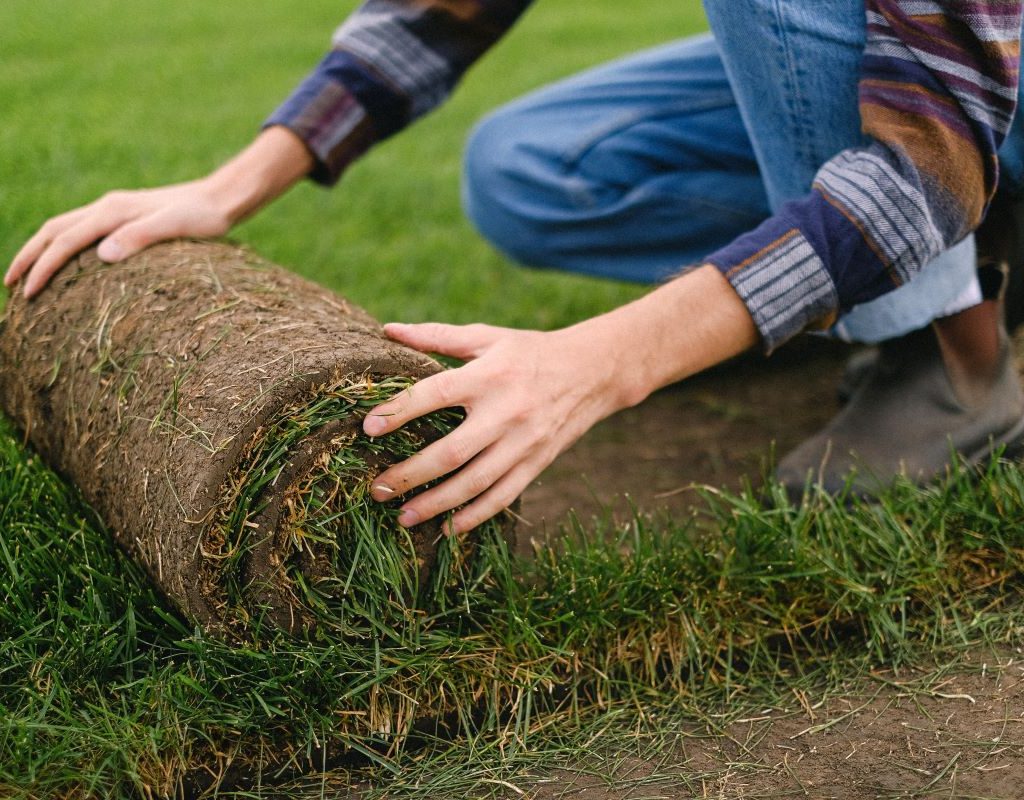
The first two weeks after installation are the most critical for new sod. One missed watering in conjunction with normal summer sun and heat can cause the individual pieces of sod to shrink away from one another, leaving a patchwork lawn. Inadequate watering also leads to dead zones, typically in the sunniest and most sloped portions of the yard. Avoid these common mishaps with a consistent 14-day watering schedule.
Week one
For the first week after installation, apply a quarter-inch of water twice daily. Water first in the early morning, between four and ten o’clock, then again in the late afternoon or early evening. This consistent hydration will help the grass produce new feeder roots, making for a stronger and more resilient lawn. At the end of the week, peel back the corners of a few pieces of sod and look for the short, white roots that should be starting to grow into the soil below.
Week two
During the second week, apply a half-inch of water once daily. Stick with the early morning watering schedule, but bear in mind that it will take twice as long as before. Applying more water all at once and letting it dry out later in the day will cause the young feeder roots to “chase” the moisture deeper into the soil. This adjustment also conditions the grass for better drought tolerance, encouraging it to seek out water at greater depths. At the end of the second week, the sod pieces should be knitting together and you should not be able to pull up corners.
After the first two weeks
Once your new sod has established deep feeder roots and the edges have grown together, adjust to a more normal lawn watering pattern. For the healthiest growth and appearance, ensure your lawn receives approximately 1.5 inches of water per week from a combination of rain and irrigation. If there’s no rain in the forecast, water the grass three times per week, applying a half-inch each time.

Is too much water bad for new sod?
Yes, too much water can be detrimental to new sod. While water is essential for establishing sod roots, excessive watering can lead to root rot, fungal diseases, and shallow root growth. Overwatering saturates the soil, depriving roots of oxygen and promoting the growth of harmful pathogens. It can also cause the sod to become waterlogged, hindering its ability to establish a strong root system.
Proper watering practices involve providing enough moisture to keep the soil consistently damp but not waterlogged. Monitoring soil moisture levels and adjusting watering frequency accordingly is crucial for the healthy establishment of new sod.
New sod lawns must be watered properly in order to grow and thrive. Once the sod is installed, the first two weeks of daily watering are the most important. Then, weekly watering will do the trick. Though having a brand new lawn installed may seem daunting, following these steps on how to water new sod will make your investment worth its while.