
Want to keep bugs out? Here are the 7 best preventative pest control methods we’ve seen
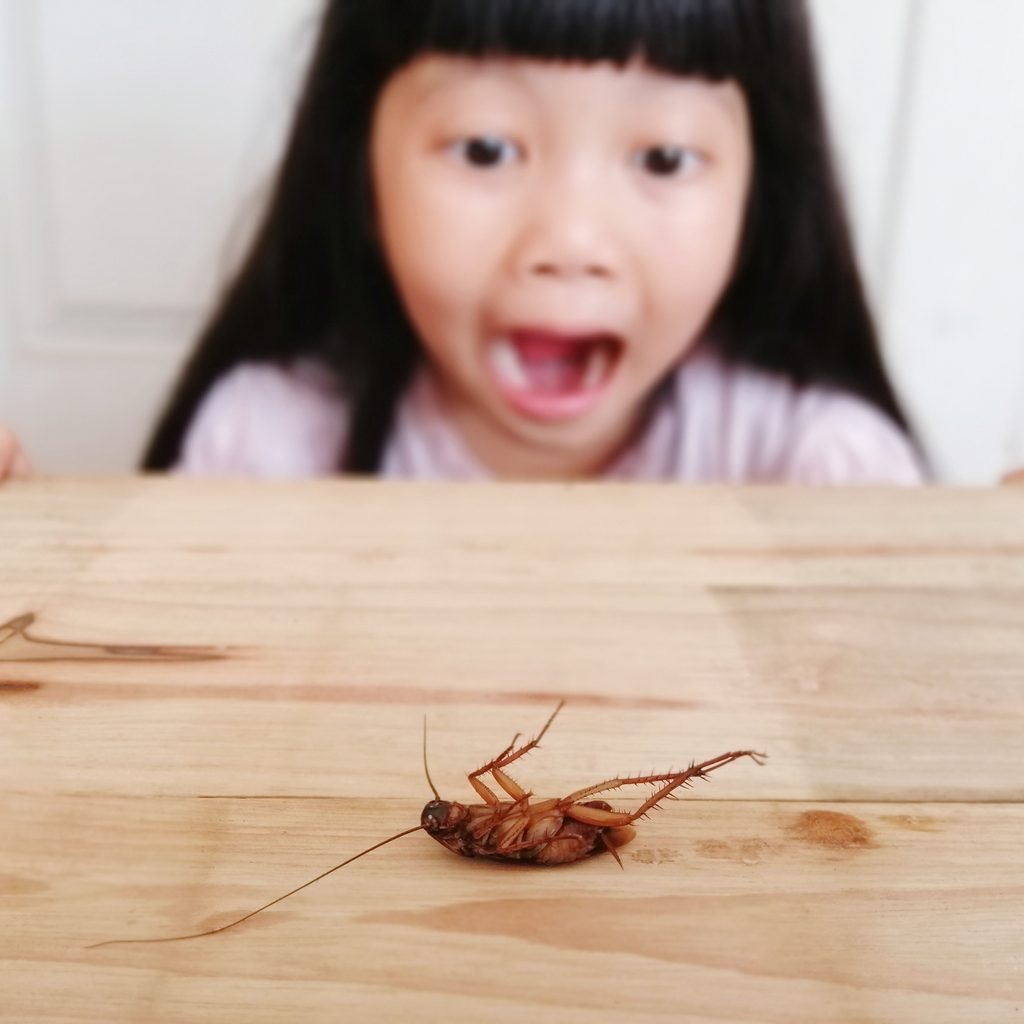
When it comes to protecting our homes from pests, some of us have more difficulty than others. Try as we might to fend them off, we just always seem to end up with some type of household, garden, or yard pest infestation every year, and every time we end up calling the exterminator. What else can be done?
We’ve consulted a group of pros and gathered tidbits of wisdom to share on the subject. Bothered by ticks? We know what to do. Got cockroaches? We’ve got the goods to send them packing. Aphids eating your roses? Not anymore! Come check out our top preventative pest control methods to see which you can use!
Do this first
To start with, do a full examination of your home. Pests have limited needs, and generally only visit your home to satisfy the basics. Your home is likely either providing them a food source or a nesting source. You’ll need to figure out and eliminate that source, or find a way to block their access to it. Make sure to do the following in every area:
- Remove clutter
- Clean each area thoroughly — especially where food has been cooked or served
- Figure out where any leaks are coming from, i.e. consistently damp or wet areas, and fix them so they are dry
- Make sure food is covered right away after meals and leftovers are stored in air-tight containers (preferably in the fridge)
- Look for any holes or cracks in window screens, walls, doors, etc., and seal them thoroughly with caulk or other means (this can easily be done by turning all the indoor lights on, outdoor lights off, and going outside at night to check for light coming out from anywhere it shouldn’t. Look closely and you’ll see any little holes and cracks that need to be sealed)
- Do not store wood near or against your home — this makes a great hangout for everything from rodents to snakes to carpenter ants. Keep it at least 20 feet away
- Keep bird feeders at least 25 feet from your house; rodents are attracted to the seeds that fall from them
- Do you have shrubs or trees with branches growing against your house or windows? Trim these back so they aren’t touching your house
- Keep your outdoor lights on at night to keep creeps of all kinds from crawling in (this may not always be advisable, and surely is not good for eliminating light pollution, so use only as needed)
- Any outdoor food storage containers must be kept tightly closed, in a container that cannot be chewed or clawed through. Same with garbage containers
- If you have a chimney, cap it
Once you’ve taken these steps, keep an eye out and see if anything additional is necessary to prevent pests from continued efforts to enter your home. Here’s what the pros have suggested:
Mosquitoes
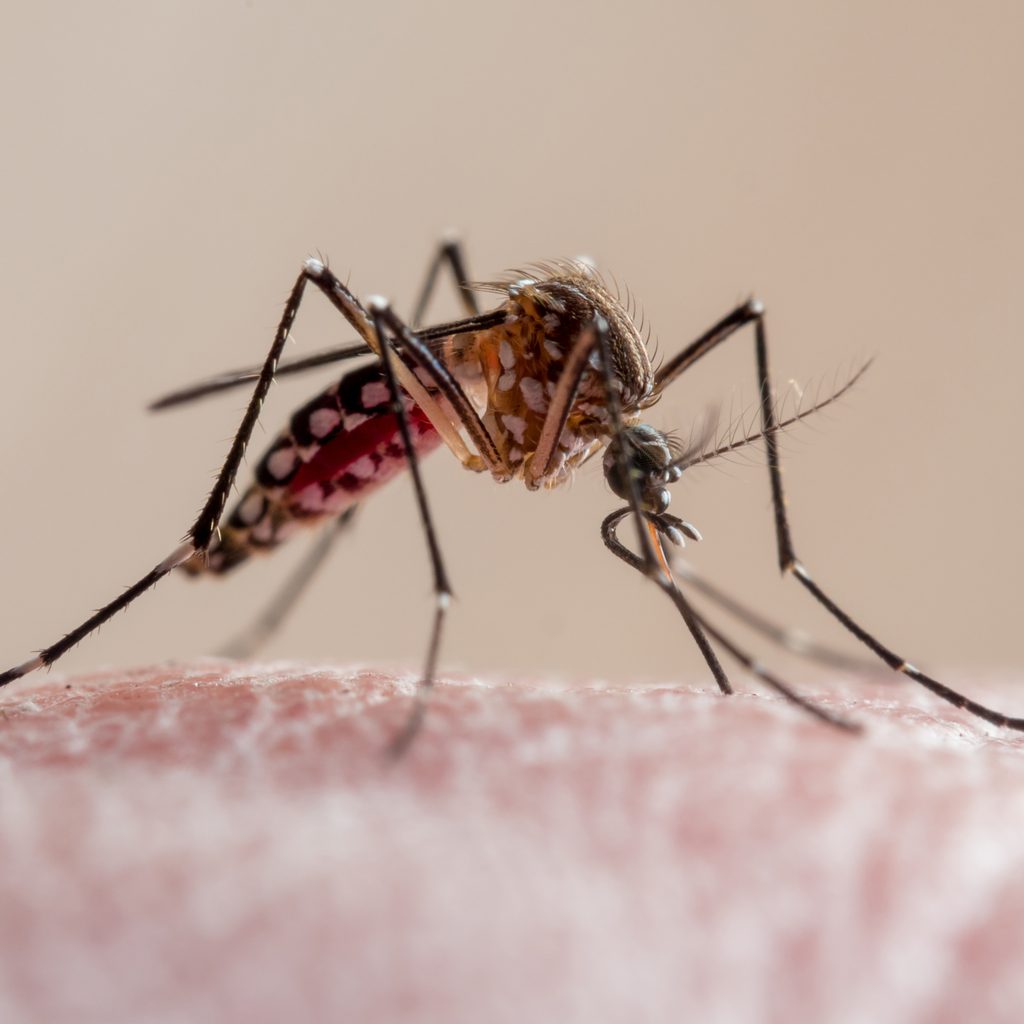
- Eliminate standing water in the yard, gutters, outdoor furnishings or toys, etc. in order to prevent mosquito breeding in the warm months.
- The citronella geranium, more commonly known as the mosquito plant, contains citronella oil which is released when the plant’s leaves are pulled, ripped or chewed. This is said to repel mosquitoes from the area. Give it a try!
- Note: Even as much as a bottle cap full of water can result in hundreds of mosquitoes. Be sure you dump anything that rain gathers in or snows melts in as soon as you notice it.
Flies
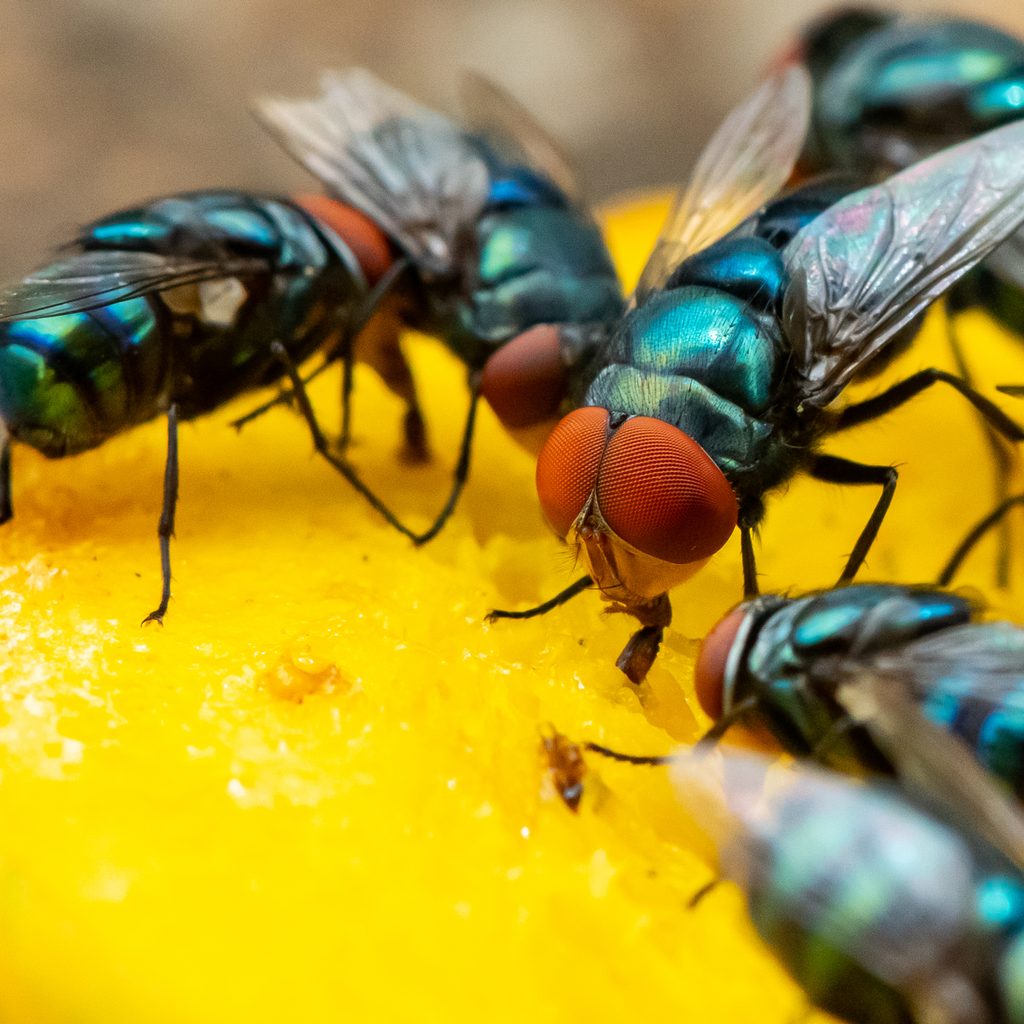
Keep flies from congregating and breeding on your property by cleaning up all animal feces immediately and keeping trash cans tightly closed.
Fleas, ticks, mites, etc.
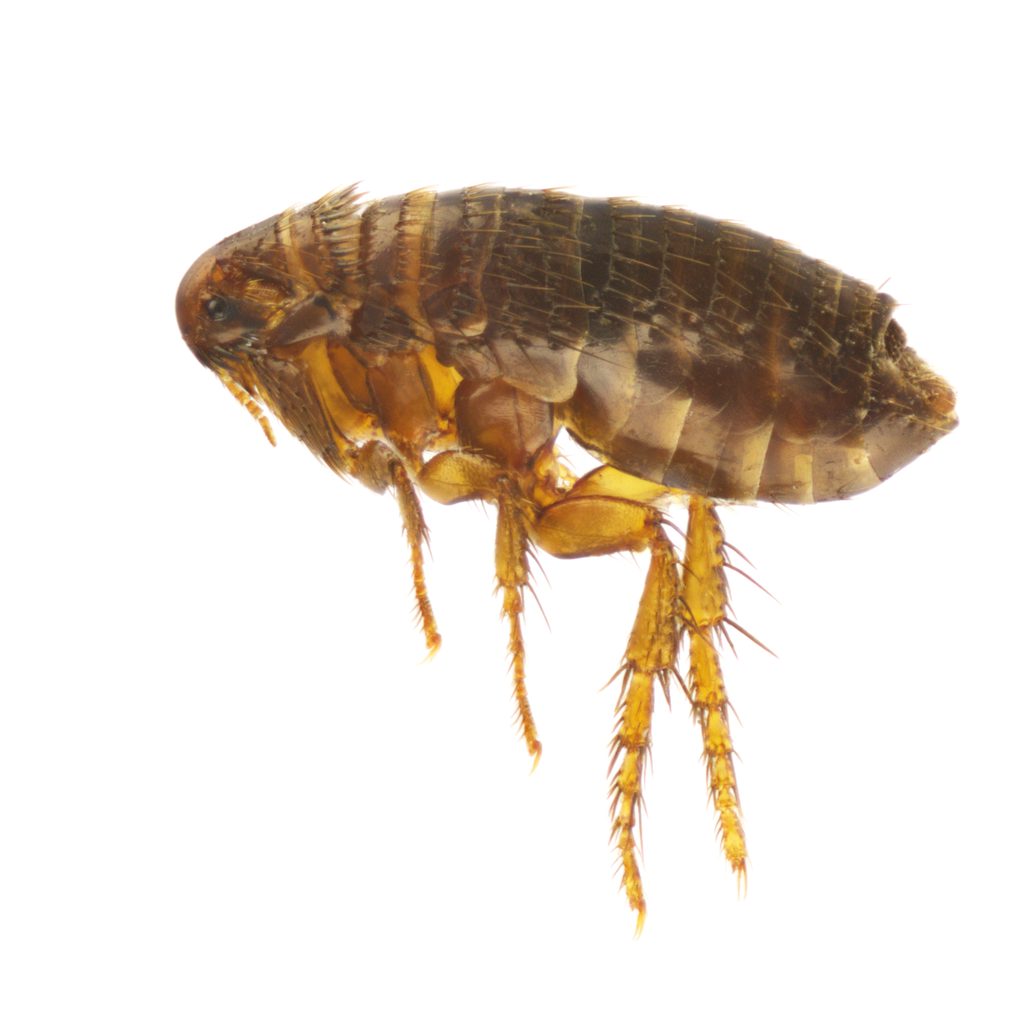
Mix up a blend of pure organic cedar oil and water and spray it every night around your lawn and shrubs. It smells fresh and repels a variety of insects, many of which bite and cause a plethora of problems. It is said to kill their eggs as well.
Ticks
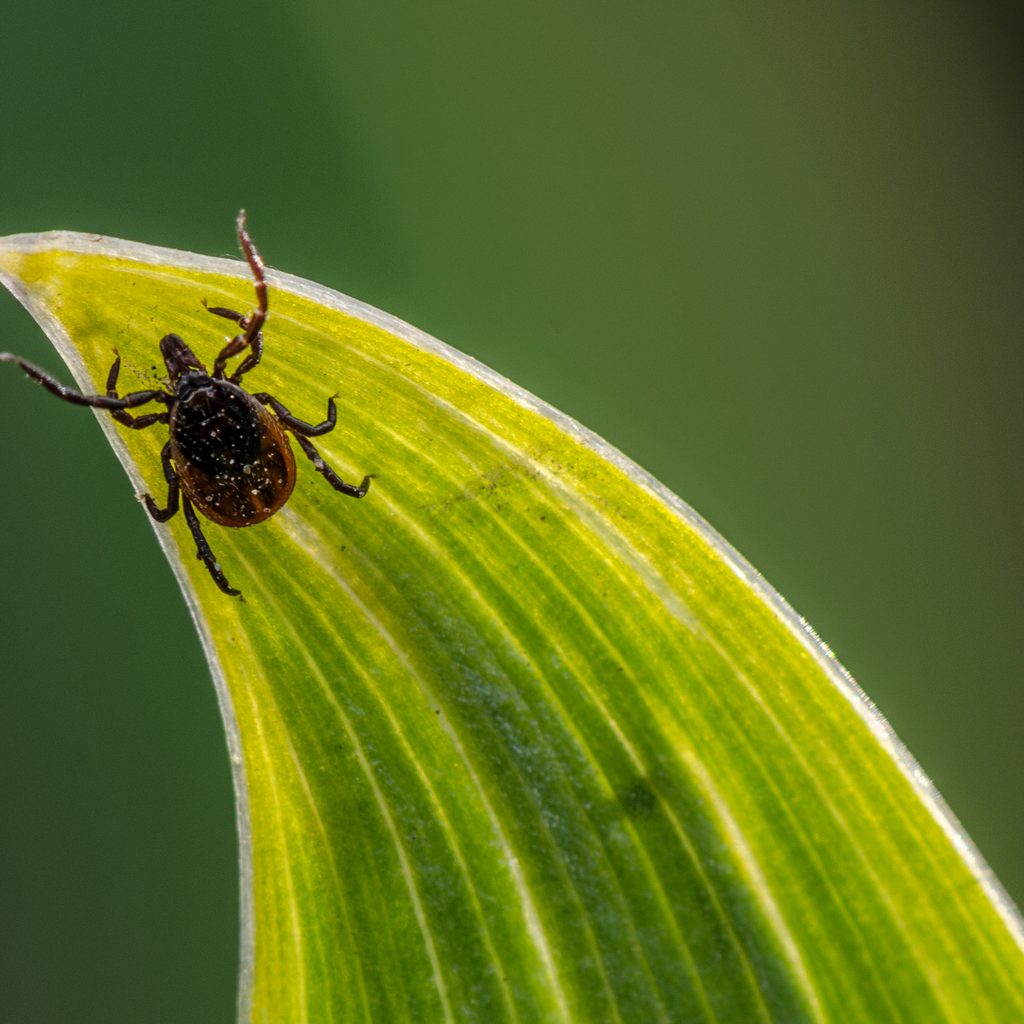
Cut back any long grasses, weeds, or large open areas in your yard, and watch out for trees as well. Ticks like to hang around waiting for a pet, passing wild animal, or human to waltz by and then jump on them for dinner. Eliminate their hiding/jumping off points, and you’re halfway there.
Wasps
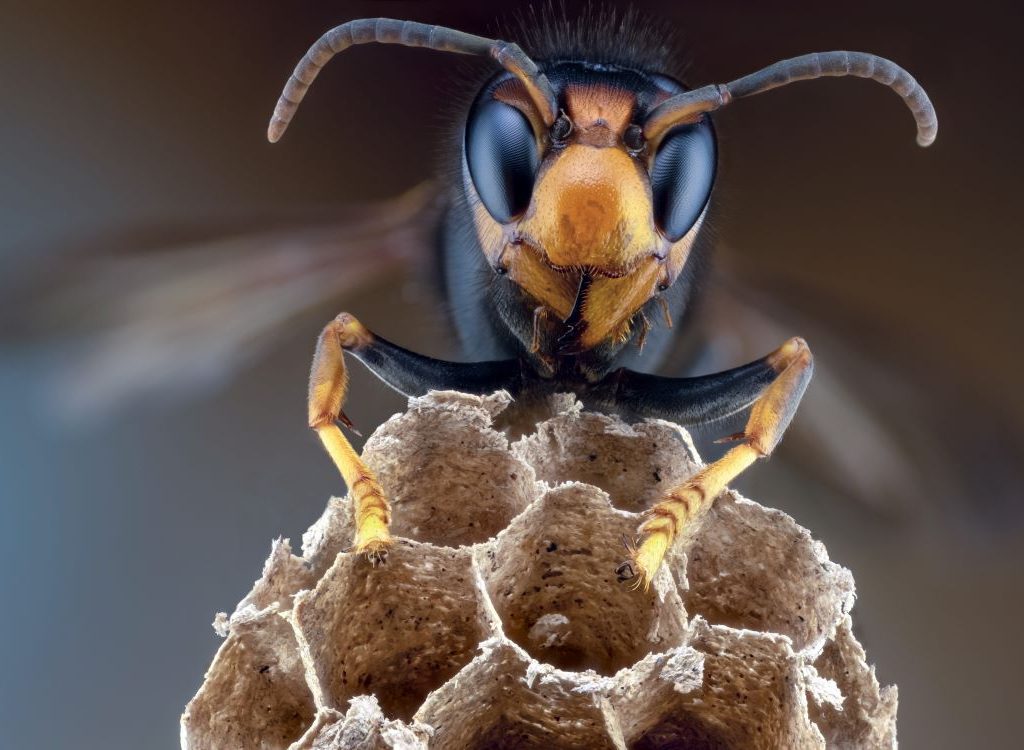
While wasps and hornets are generally beneficial and harmless, they can be problematic when building their nests in areas where people congregate, children play, etc. It’s best to prevent them by doing the following:
- rinse out all pop cans and bottles thoroughly before putting in recycling bins
- clean up any spilled sweet drinks or foods immediately
- bag up and dispose of garbage immediately
- if you have fruit trees or bushes, clean up all the fallen fruits ASAP
- keep your home clutter-free, including the attic and garage
- avoid hanging anything colorful or bright out where they may be attracted; they are often drawn to bright things mistaking them for flowers
Garden pests

A variety of garden pests like aphids, spiders, beetles, mosquitoes, ticks, mites, and more are often controlled by this remedy. Blend up a quarter teaspoon of mild (preferably color-free, fragrance-free) liquid dish soap and two tablespoons of ground cayenne pepper into a quart of water (not too hot or cold). Shake thoroughly, let sit for several hours, then spray with plenty of pressure all over the plants. Spray from above, spray from below, spray from all directions. Do this in the evening or very early in the morning, and not if it’s a super hot day. Must be done weekly at least until you notice the pests have moved on.
Cockroaches
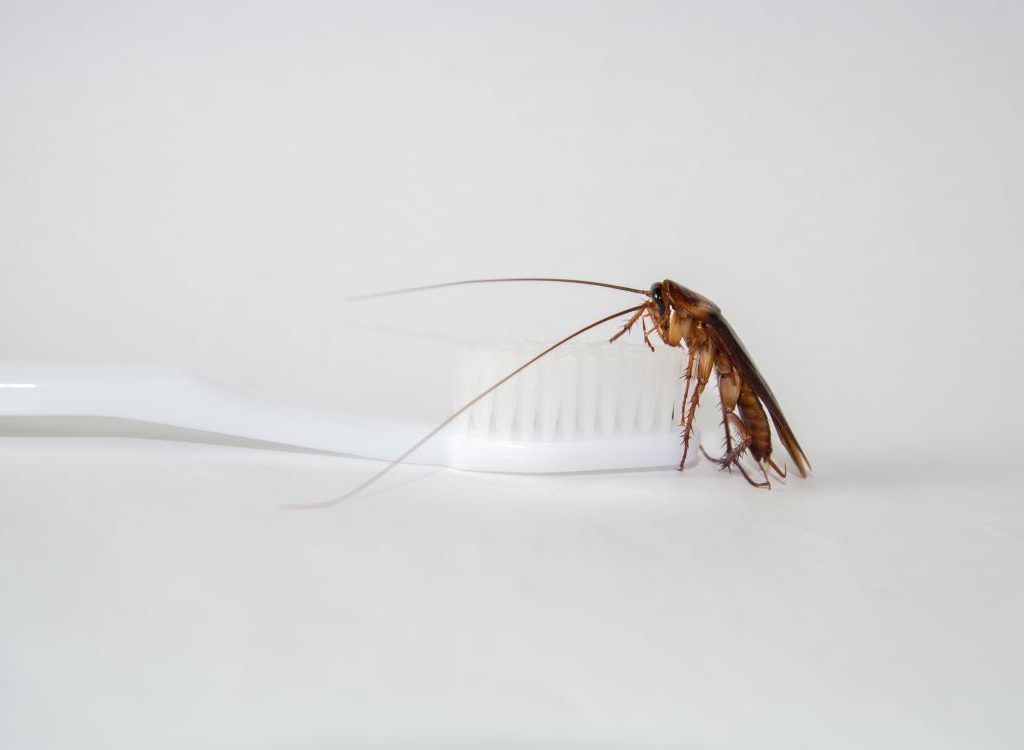
While you’ll definitely need to remove their food or nesting source too (pay particular attention to areas of consistent moisture), this remedy may also assist you in showing cockroaches their way out of your home. Make a dough out of equal parts flour, sugar, and boric acid. Sit them around your home where you suspect or have seen roaches. The smell of the sugar should attract them. Once they start snacking, the boric acid will kill them.
While this is only 7 pests out of many, the task list we mentioned first should be sufficient to rid your home of all types of pests if done correctly and often enough. If you find you’ve tried everything and nothing works, contact an exterminator for help.