The parlor palm is known for its use in decorative, elegant parlors, and it’s a beautiful pop of green in any room. While they make interesting indoor plants, you may recognize the lovely fronds of these palms as ones that are frequently used in flower arrangements. It’s common to use them in this fashion because, when cut, the fronds last up to 40 days before dying. Parlor palms grow to a fairly large size, which makes them ideal as floor palms in decorative pots. We’re going to discuss some simple parlor palm care tips that will help you keep yours healthy and thriving.

How big does a parlor palm grow?
While the parlor palm is relatively slow-growing, it will gain significant height over a few years. That’s why it’s a great addition to large, spacious rooms and is named for its common use in parlors. Indoor parlor palms can grow to about six feet in height with proper care, while outdoor plants can grow even more, typically reaching between 12 feet and 16 feet tall.
Parlor palm care and maintenance
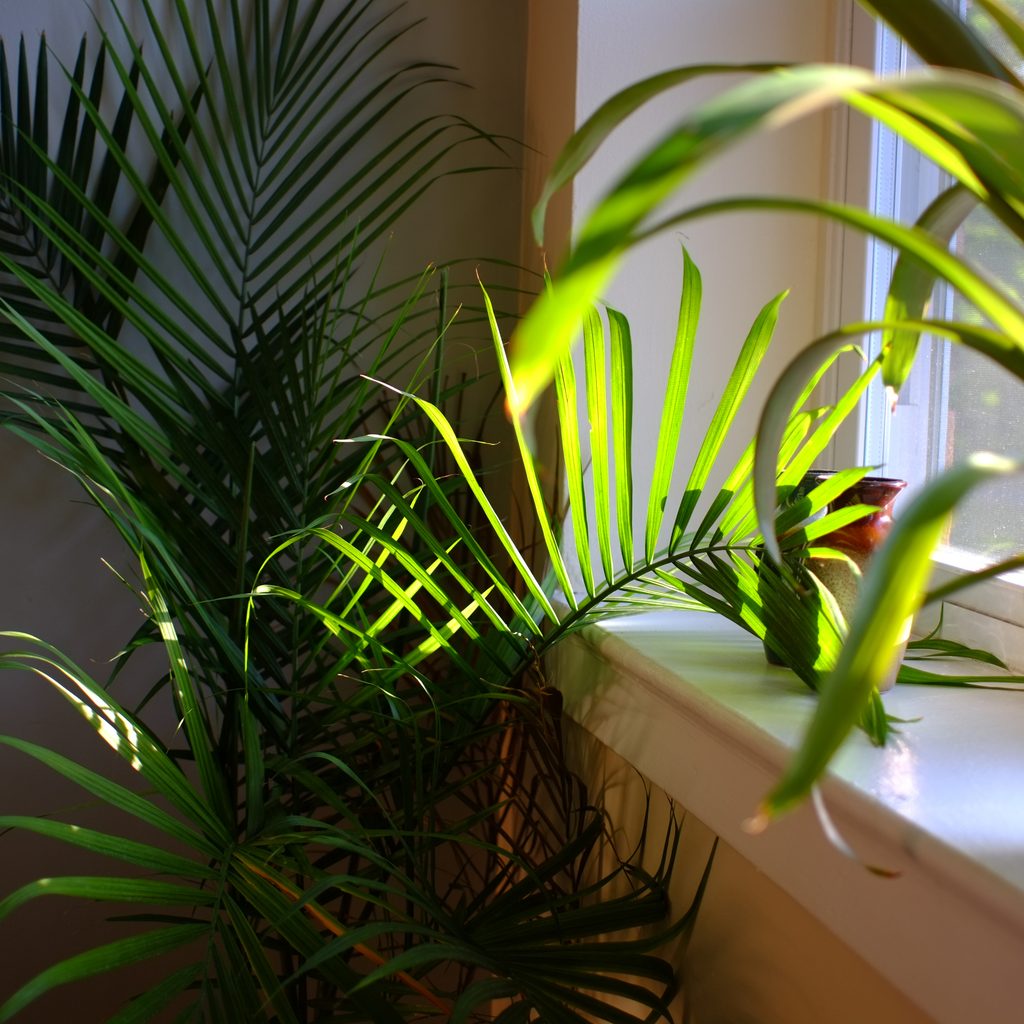
Parlor palms have low-maintenance demands that make them popular in offices and businesses. They’re known to be resilient indoor plants and, while they have preferred conditions and care routines, they can withstand bouts of neglect and less ideal conditions. Here’s how to easily keep your parlor palm healthy.
Does a parlor palm need sunlight?
While it’s considered a low-light plant, the parlor palm does need some sunlight to thrive. It does best in bright, indirect light, but it can handle low-light conditions as well. However, parlor palms do not do well when they are exposed to direct sunlight for long hours. Consider placing your palm in a north-facing window for the best possible light conditions.
How often do you water a parlor palm?
It’s easy to overwater a parlor palm, and that’s one of the main reasons this indoor palm dies. Since it doesn’t enjoy being waterlogged or sitting in soggy soil, make sure you use a pot and soil mix that drains well. Only water the plant when the top inch or so of soil is completely dry, which should only be about once every one or two weeks. If the plant is living in brighter conditions, you may need to water more often.
Ideal indoor temperature and humidity conditions
Since it’s so easygoing, the parlor palm can withstand a range of temperatures and humidity levels. It prefers average humidity and an indoor temperature between 65 degrees and 80 degrees F, but it can handle temperatures as low as 50 degrees. If your palm is outdoors, be sure to bring it inside before it gets too cold, as it will die once the first frost hits. A good rule of thumb when it comes to indoor conditions for your parlor palm is that if you’re comfortable, so is the palm.
Fertilizing your parlor palm
While a weak liquid fertilizer can help keep your parlor palm healthy and growing, this plant is considered a light feeder. Only fertilize once or twice at most, and only during the growing season between March and September. Be sure you’re not fertilizing it during the winter.
When to repot your parlor palm
Parlor palms are finicky when it comes to repotting since they don’t like their roots to be disturbed. Repot only if you have to, which should only be once every two to three years, and if the plant is displaying the below conditions:
- When it’s root-bound. If you see roots pouring out of the drainage holes or peeking above the soil, it’s time to repot your parlor palm.
- When the soil has started to break down and become spongy. This indicates that the soil needs to be changed for your parlor palm and repotting is necessary.
Be sure to use best practices when repotting a plant.
Common issues with parlor palms

While they’re resilient and not often finicky about their care routine and conditions, parlor palms do occasionally present with issues. Keep an eye out for these common problems, and address them as soon as possible.
Brown, dry leaf tips
If the tips of your parlor plant’s leaves have become brown and dry, the likely culprit is either too-cold conditions or underwatering. If the plant is near an A/C vent, try moving it to a warmer location. Also, check the soil’s moisture level and give it a good water if the top inch or so is completely dry.
Yellowing leaves
When the leaves of this palm start to yellow, it’s typically an issue with your watering routine. To determine if you’re under- or overwatering the plant, check the soil. If you haven’t recently watered it and it’s still damp, pull back on your watering routine, and move the plant to a brighter location for a while. If the soil is completely dry, give it a good soak.
Black stems
If the stems of your parlor palm are starting to blacken, the likely culprit is overwatering. It’s easy to do, since the palm doesn’t need much water. Start watering less frequently and move the plant to a brighter location for a while.
Parlor palms are great additions to any room, and they look particularly elegant in large spaces with high ceilings. Caring for these beauties is a breeze, and they’re incredibly resilient, both of which make them so popular as indoor plants. With our care guide, your parlor palm plant will be around for many years to come.